Termites cause an estimated $5 billion in property damage every single year in the United States alone. That’s a staggering, nightmare-inducing number, especially when you realize that most standard homeowner’s insurance policies do not cover termite repair bills.
These persistent pests have earned the terrifying nickname of “silent destroyers” for a very good reason. A colony can quietly chew through your home’s wooden structural support for months, or even years, without ever making themselves known to the people living inside.
Early detection is your number-one defense against expensive, overwhelming structural damage, since catching a small colony before it multiplies can save you thousands of dollars and endless stress.
The purpose of this guide is to help you recognize the most common signs of termite activity so you know exactly what to look for and what proactive steps you need to take next.
1. Mud Tubes on Exterior Walls or Foundations
Subterranean termites require a constant source of moisture to survive. To travel safely between their underground nests and the delicious wooden frame of your home, they construct pencil-sized mud tubes, building these protective tunnels out of dirt, saliva, and their own waste.
You’ll typically find these brown, earthy veins creeping up your exterior foundation walls, snaking through dark crawl spaces, or hiding in the corners of unfinished basements.
If you discover a mud tube on your property, try not to panic. Simply break off a tiny center section of the tube and check back a few days later. If the termites repair the broken section or you see live bugs crawling out, you have an active infestation that requires immediate attention.
2. Hollow-Sounding or Damaged Wood
Termites are sneaky eaters. They consume wood from the inside out, leaving the exterior surface completely intact. This behavior makes visual detection incredibly difficult for the average homeowner.
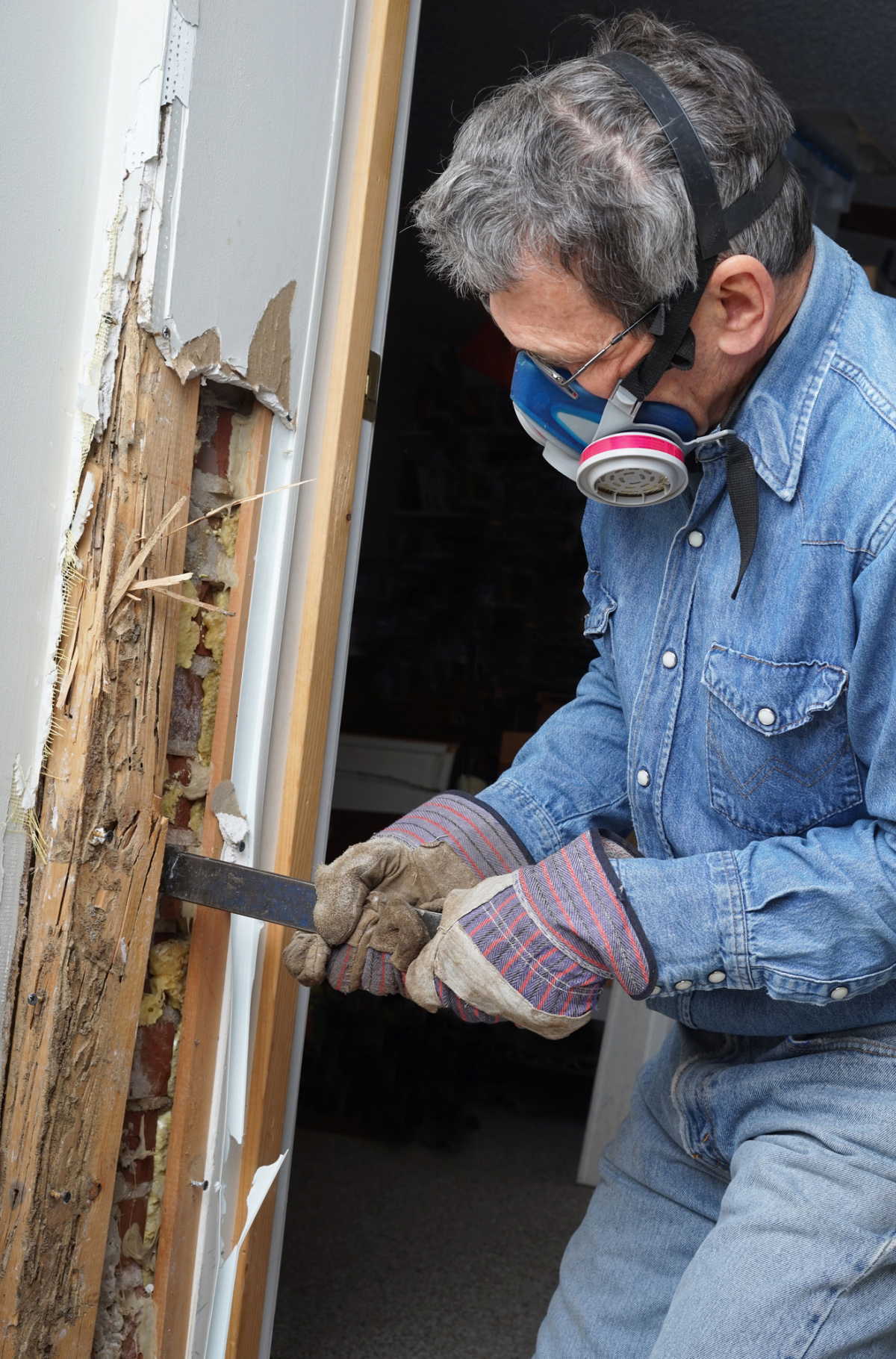
However, you can use the “hollow sound test” to check suspicious areas. Tap firmly on a wooden support beam, baseboard, or window sill with the heavy handle of a screwdriver. If the wood sounds hollow or papery, you might have a hidden problem.
You might also notice wood surfaces that appear blistered, crushed, or unusually weakened. It is important to know how this differs from standard water damage or wood rot. Water damage usually leaves wood feeling soft, spongy, and dark. Termite damage, on the other hand, leaves hollow cavities behind, often lined with dried mud and debris.
3. Discarded Wings Near Windows or Doors
Mature termite colonies produce winged adults called swarmers, or alates. These reproductive termites usually emerge during the warm, rainy days of spring to mate and start brand new colonies. After they successfully find a mate, they intentionally shed their wings because they no longer need them. Finding small piles of translucent, identical wings on your window sills, porches, or living room floors is often one of the first visible signs of an active indoor infestation.
Keep in mind that flying ants also swarm during the spring, and homeowners often confuse the two. You can easily tell the difference by looking closely at the wings. Termite wings are all the exact same size, while flying ants have significantly larger front wings and much smaller back wings.
4. Frass (Termite Droppings)
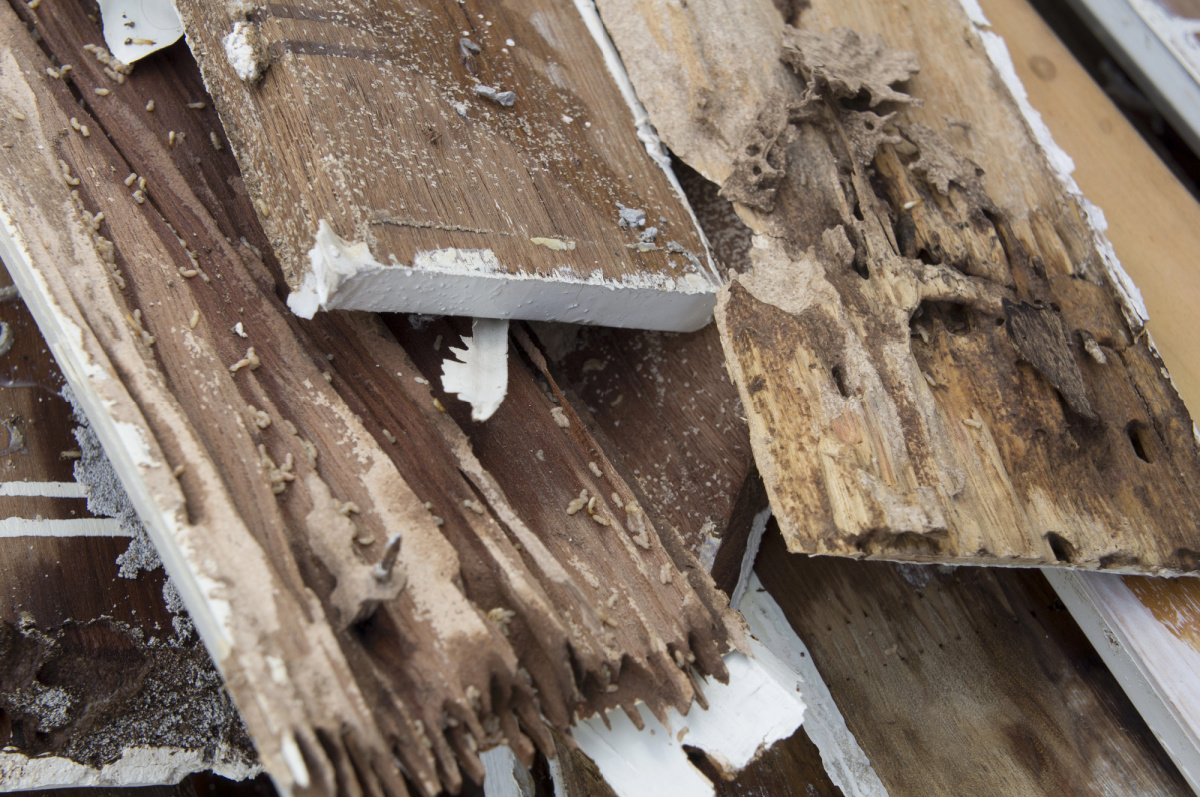
Unlike their subterranean cousins, drywood termites don’t use mud tubes at all. Instead, they live their entire lives deep inside the wood they eat. As they constantly tunnel and feed, they naturally produce fecal matter known as frass. To keep their tunnels clean, they push this frass out of tiny, pinhole-sized kick-out holes.
Termite frass looks like tiny, hard, wood-colored pellets. At first glance, it strongly resembles a small pile of sawdust, coarse sand, or unbrewed coffee grounds. Homeowners typically notice these suspicious little mounds accumulating inexplicably on window sills, along baseboards, or directly underneath exposed wooden beams and furniture.
5. Stuck Windows and Doors
We frequently blame seasonal humidity when a window suddenly becomes hard to open, or a wooden door starts rubbing tightly against its frame. While weather changes certainly affect wood, stuck doors and windows are also a subtle, easily overlooked symptom of serious termite damage.
As termites aggressively tunnel through your door frames and window sills, they introduce moisture and rapidly weaken the timber’s structural integrity. This underlying damage causes the wood to warp, bend, and swell out of shape. If your doors and windows suddenly stick and you cannot logically link the issue to recent weather changes, the frames absolutely warrant a closer inspection.
6. Bubbling or Peeling Paint
Termite activity right behind your painted drywall or wooden siding can cause your interior paint to bubble, peel, or crack unexpectedly. This specific type of cosmetic damage often perfectly mimics the signs of a plumbing leak or a leaky roof.
If you notice strange bubbling or peeling on your walls but a plumber confirms your pipes are completely dry, termites might be the true culprits. When you peel away the damaged, bubbling paint, you will often uncover narrow, hollowed-out feeding tunnels right beneath the wall’s surface.
7. Clicking or Rustling Noises Inside Walls
It sounds like a detail from a horror movie, but you can sometimes actually hear termites eating your house. If you press your ear firmly against an infested wall in a quiet room, you might catch a faint clicking or rustling noise.
Soldier termites bang their large heads against the wood or shake their bodies to signal danger to the rest of the colony. Meanwhile, worker termites make very soft tearing sounds as they aggressively chew through the timber. While hearing them is quite rare, noticing these sounds definitely points to a severe, highly active infestation that requires rapid intervention.
When to Call a Professional
Finding evidence of termites is stressful, and it’s incredibly tempting to run to the local hardware store for a quick, cheap fix. However, do-it-yourself pest control treatments rarely eliminate an established colony. Over-the-counter sprays might kill a few visible bugs on the surface, but they completely miss the thousands of termites hiding safely underground or deep inside your walls. For complete eradication, it’s best to work with a professional pest control company.

- Simple Ways to Make Home Maintenance Less Stressful - September 15, 2026
- Bathroom Flooring Ideas That Balance Style and Practicality - September 15, 2026
- Red Light Spa Near Me vs. At-Home Red Light Panel: Which Is Better? - September 15, 2026