Parents naturally pay close attention to strong curricula, experienced teachers, and university pathways when evaluating schools. However, the experiences a student goes through outside traditional lessons also shape how they think, communicate, collaborate, and respond to challenges throughout their lives. This broader perspective has become an important consideration for families exploring international education.
While international schools in Singapore are known for academic outcomes, many have developed educational environments that intentionally support students’ intellectual, social, emotional, and personal growth alongside academic success. As you continue reading, discover how this holistic approach helps prepare students for success both inside and outside the classroom.
Encourages Participation in Extracurricular Activities
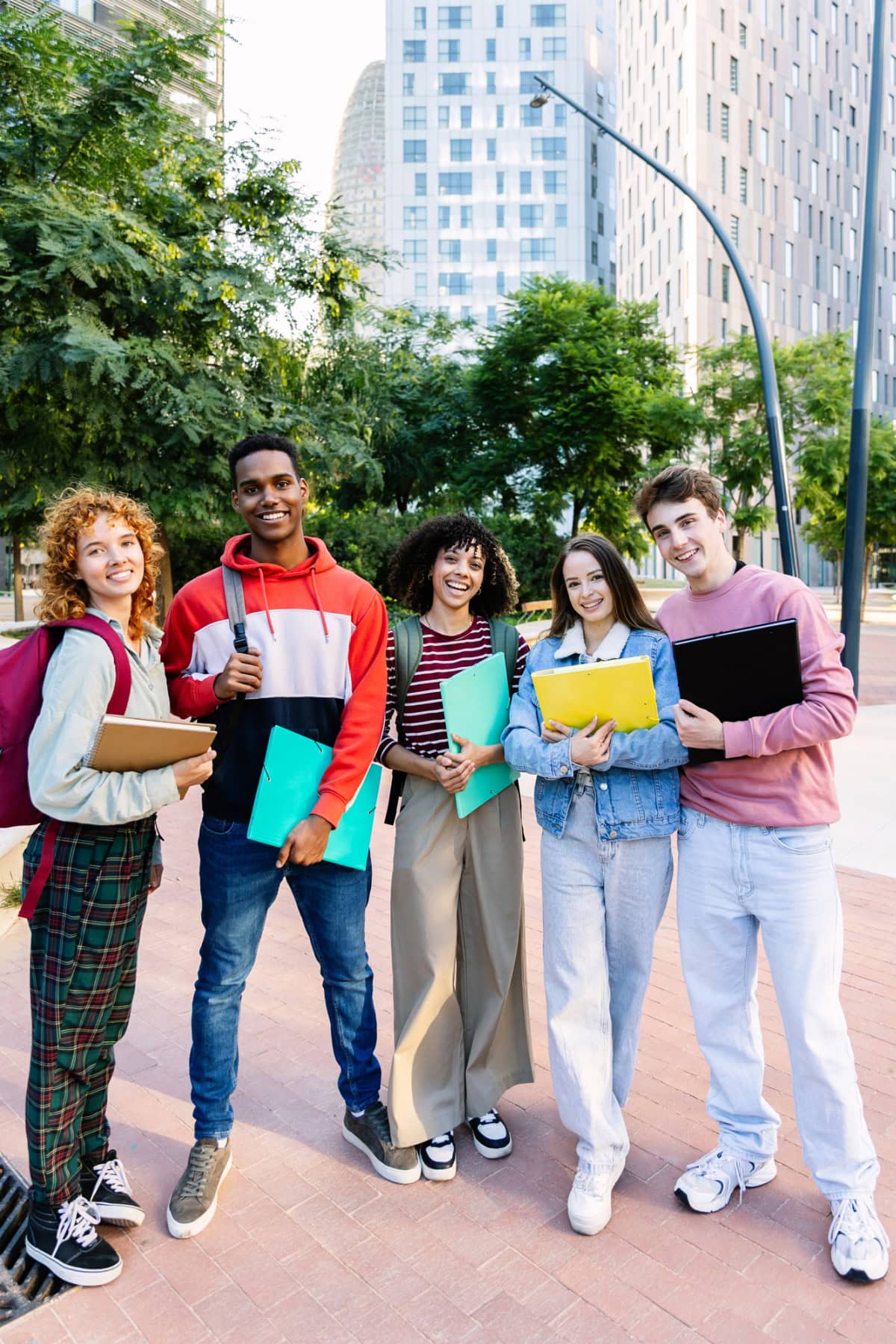
International schools typically offer a broad selection of extracurricular activities that may include athletics, performing arts, visual arts, robotics, coding, debate, music, environmental clubs, and student publications. Participating in these programs encourages students to strengthen teamwork, communication, creativity, and perseverance in authentic settings. A student involved in drama or theater productions, for example, may become a more confident public speaker, while participation in robotics competitions can strengthen collaboration and problem-solving under real project deadlines.
These experiences also help students build a stronger sense of identity. Rather than being defined solely by academic performance, students have opportunities to pursue passions, celebrate achievements in different areas, and develop confidence through a variety of interests. This balanced educational experience is one reason families researching the best international schools in Singapore look beyond examination results and consider the wider opportunities available on campus.
Prioritizes Social and Emotional Well-Being
Students who feel supported are generally better equipped to participate in class, build meaningful friendships, and approach challenges with confidence. Recognizing this connection, international schools incorporate student well-being into everyday school life rather than treating it as a separate initiative.
This support can take many forms. For instance, advisory programs encourage regular conversations about personal growth, while school counselors provide guidance through academic pressures, social changes, and emotional concerns. These experiences equip students with practical strategies they can continue using long after they leave school.
Fosters Global Citizenship
One defining characteristic of international schools is how classrooms bring together students from different nationalities, cultures, and languages. This diversity creates daily opportunities for meaningful cross-cultural interactions. It also allows students to develop cultural awareness through firsthand experiences instead of relying only on textbooks. For instance, group projects encourage learners to collaborate with classmates whose perspectives may differ from their own. Cultural celebrations and internationally observed events also expose students to traditions, customs, and viewpoints from around the world.
Builds Leadership Skills
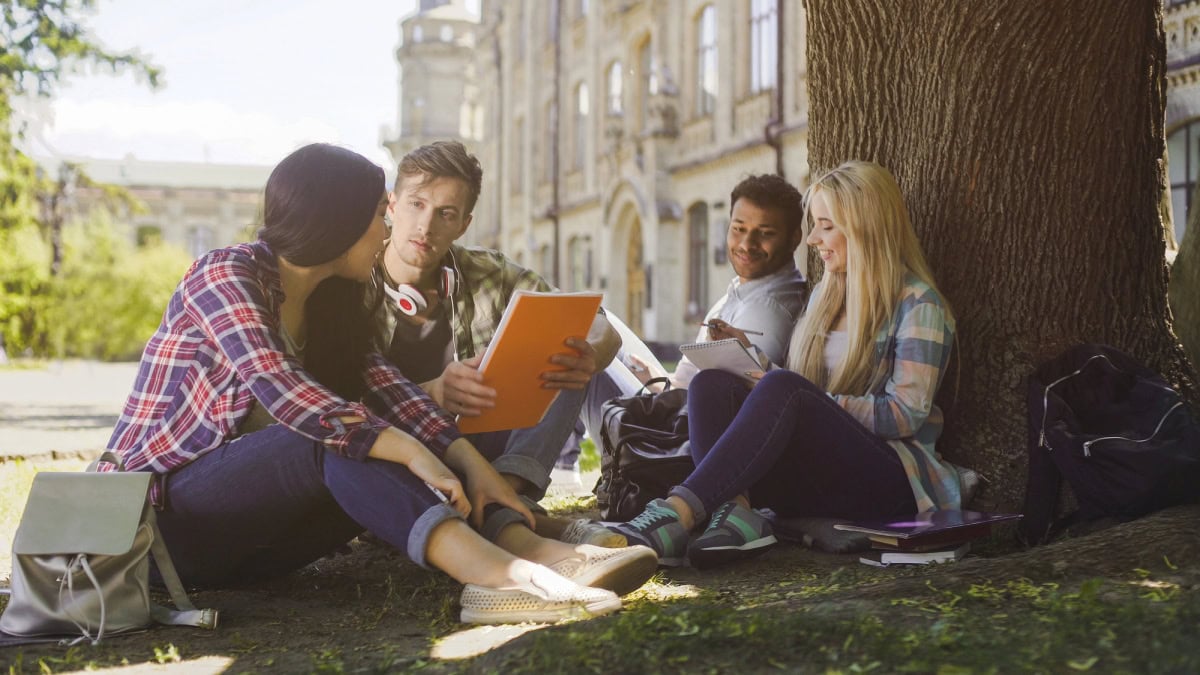
Leadership development begins with relatively small responsibilities before expanding into larger opportunities. Rather than waiting until students reach senior grades, international schools introduce leadership experiences throughout different stages of a child’s education. They may organize school events, participate in student councils, mentor younger classmates, lead club activities, or coordinate community projects. These responsibilities teach practical and effective leadership skills like listening carefully, collaborating respectfully, and supporting others toward shared goals.
Leadership opportunities become particularly valuable because they allow students to apply classroom learning in authentic situations. For instance, they may resolve disagreements within a team or manage project deadlines. These lessons often remain valuable throughout university and professional life.
Supports Individual Learning Needs
International schools emphasize personalized learning by adapting instruction to accommodate varying abilities, interests, and learning styles. Teachers regularly use ongoing assessments to identify where students may require additional guidance or greater academic challenge. Rather than following identical learning journeys, students gradually become more independent and reflective learners who understand how they learn most effectively.
Promotes Physical Health and Healthy Habits
International schools typically provide opportunities for students to participate in recreational sports, competitive athletics, fitness programs, and outdoor education. These experiences encourage regular physical activity while teaching teamwork, discipline, and perseverance. Younger students develop fundamental movement skills through active play, while older students may discover lifelong interests through competitive sports or recreational fitness.
Wellness education frequently extends beyond physical activity as well. Students may also learn about nutrition, sleep, digital well-being, and healthy lifestyle choices that support both academic performance and personal development. Establishing these habits during childhood and adolescence provides practical benefits that continue into adulthood.
Provides University and Career Guidance
The best international schools provide dedicated university and career counseling that begins well before application season. Counselors work closely with students to identify their strengths, interests, and long-term aspirations while helping them select appropriate academic pathways. Guidance includes university research, application planning, interview preparation, essay development, and advice on extracurricular experiences that align with individual goals.
This personalized support encourages students to make thoughtful decisions rather than simply pursuing popular or familiar options. Whether students intend to study locally or overseas, they gain a clearer understanding of how their interests, academic choices, and personal experiences contribute to future success.
Creates a Strong Sense of Community
A supportive school community provides students with a sense of belonging that strengthens both their confidence and their willingness to participate fully in school life. Feeling welcomed can be especially valuable for internationally mobile families adapting to new environments, but it also benefits any student entering a diverse educational community.
Knowing this, international schools intentionally create opportunities for students and families to build meaningful relationships through orientation programs, cultural celebrations, family events, collaborative projects, and student mentoring initiatives. These shared experiences encourage friendships across year levels and nationalities while strengthening communication between schools and families.
International Schools Provide the Holistic Education Students Need
Academic excellence remains an important goal, but a meaningful education also helps students grow into thoughtful, resilient, and engaged individuals. As your family explores educational pathways, looking beyond classroom achievement can reveal learning environments that prepare your child for the opportunities and responsibilities they will encounter long after graduation.

- What to Consider in a Sleep Supplement With Melatonin Included - October 26, 2026
- What Happens When Your Reputation Goes on Trial Before You Do? - October 26, 2026
- How to Build a Household Routine That Balances Laundry, Cleaning, and Family Time - October 26, 2026