Busy families always have plenty to do. Time is scarce, and the hours they do have are often spent unevenly. Laundry piles up by Wednesday while the bathroom waits until Saturday. By the weekend, the afternoon meant for a park trip gets eaten up by catch-up chores. A household routine solves that by deciding in advance when the work happens. Once chores have a set place in the week, free time stops being whatever happens to be left over.

Laundry and Cleaning Take the Most Hours
Laundry deserves the first look because it never stops. A family of four can easily go through a load or more every day, and each one has to be sorted and folded before anything can be put away. Some parents keep it in-house with a strict daily habit. Others hand it to a wash-and-fold laundry service during heavy stretches, like soccer season or the first months with a new baby, and the hours that come back go straight to the kids.
Cleaning is another time-consuming chore. Outsourcing it looks different depending on where you live, and hiring rules and pay rates vary by location. For example, in Canada, domestic workers are covered by provincial labor standards. That’s why a family looking for a bilingual housekeeper in Montreal will likely go with an agency that handles both screening and employment paperwork.
Start With an Honest Time Audit
Figure out where the hours go before you start planning your new routine. Most parents underestimate how long small jobs take, since something like a 10-minute task done twice a day adds up to more than two hours a week.
For one week, keep a simple log on the fridge or in a shared notes app. Write down each chore and how long it took, then add initials so you can see who did it. No need to be precise. Rough estimates are enough.
Patterns tend to emerge within a few days, and the split between adults is usually the first one. Pew Research Center found that 56% of married adults consider sharing household chores very important to a successful marriage. Among couples raising kids, though, only half say the work is split about equally, and 41% say the mother does more. Your log might show one parent who handles every dinner cleanup or a laundry pile that takes up most of Sunday afternoon. Those bottlenecks are where the new routine should start.
Build a Laundry Rhythm That Fits Your Family
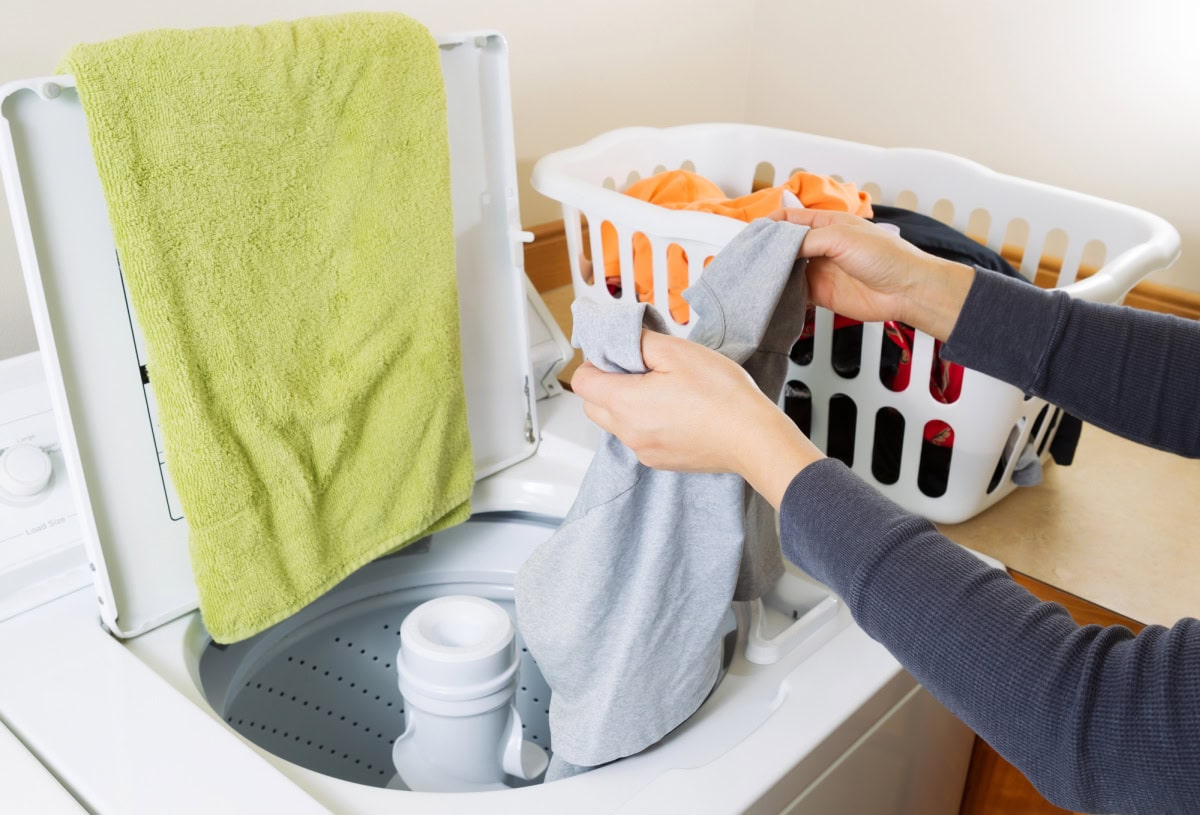
Most households land on one of two systems. The first is a load a day. One load goes in before breakfast and moves to the dryer after school. Folding happens during evening TV time. This way, laundry doesn’t accumulate, but it requires consistency, and a single missed day can leave the hamper overflowing by Friday.
Set laundry days are the second option. Two days a week is usually enough, and everything is washed in one long session. Batching suits parents working long shifts who would rather give up two evenings than chip away every day. I lean toward this system for families with teenagers, because older kids can own one of those days outright.
Whichever you pick, a few habits make the work lighter. Give each person their own basket so sorting happens at the hamper. Kids as young as five can match socks, and children over eight can usually fold their own clothes and put them away. Sheets and towels work best on a fixed rotation, such as towels every Wednesday and bedding every other Saturday, so they never compete with school clothes for machine time.
Stain treatment is the step that’s skipped most often. A spray bottle and a small bin next to the hamper let anyone pretreat a grass stain the moment the clothes come off, which saves a second wash or ruined clothes.
Sort Cleaning Tasks by How Often They Need Doing
A cleaning schedule is much easier to follow once tasks are grouped by frequency. Daily jobs don’t have to involve much, mostly dishes and a quick living room cleanup before bed. Together, they should take 15 to 20 minutes, and you can split them so no one person carries it all.
Spread weekly jobs across the weekdays, with one zone per day. A common split is bathrooms on Monday and floors on Thursday, which keeps Saturday open. Small, repeatable cleaning habits like these matter more than a perfect plan, because a routine only works if it can survive a hectic week.
Monthly tasks cover the work nobody notices until it’s overdue, like wiping baseboards or cleaning the oven. Put them on the calendar for the first weekend of the month. When a week goes sideways, drop the weekly zone and keep the daily reset. The house stays livable, and you can pick up the skipped zone the following week.
Give Everyone a Job
A routine that depends on just one adult will eventually break. Spreading chores across the household lightens that load and teaches kids that the home belongs to everyone who lives in it.
Match tasks to age. Preschoolers can put toys in bins and carry dirty clothes to the hamper. School-age kids are able to set the table or empty the dishwasher. Teenagers can take on a full chore from start to finish, such as cooking one dinner a week or doing their own laundry. Expect uneven results at first. A towel folded badly by a seven-year-old still counts as a towel they folded.
A visible chore chart works better than repeated reminders. Rotate less popular jobs, like scrubbing toilets, every week or two so the same person doesn’t get stuck with them. Some families tie chores to an allowance, while others treat them as part of being a family. Either approach can work well if the rules stay consistent from week to week.
Schedule Family Time Before Chores Fill It
Family time is the piece most routines forget to plan. Write it on the calendar first, then fit chores around it. A chore-free Sunday afternoon or a weeknight game night is far more likely to happen when it sits where everyone can see it.
Dinner is one of the easiest anchors for the day. Even 30 minutes at the table counts, and a simple meal plan helps you get family dinner served without a long cleanup afterward. Batching errands into one trip a week frees up another evening or two.
Protect these blocks the same way you would protect a work meeting. If a chore runs over, move it to the next open slot, and keep the family time. Phones go in a basket during these windows too, since a quick email check can easily turn into 20 minutes of work.
Know When to Hand Tasks Off
Some seasons are simply too full. A new job or a baby can push a routine past what any family can handle, and no amount of scheduling will fix a week that has more work than hours.
Start with the task that takes the longest compared to the cost of outsourcing it. For most households, that’s laundry and deep cleaning. Laundry is usually the best first handoff, since it’s the most repetitive job in the house and the easiest to measure. Run the numbers honestly. If four hours of weekend chores cost less to outsource than those hours are worth to your family, doing so is more than reasonable. It also doesn’t have to be permanent.
Partial help is another route. A cleaner who comes every other week to handle bathrooms and floors can cut the weekly load in half, while the family still does the daily tasks. Try it for a month before committing, and track whether the freed hours actually go to family time or just get absorbed by other tasks.
Keep the Routine Flexible
Review your household routine once a month. Kids grow into new chores, and summer schedules look nothing like the school year. A routine that was a great fit in September may need a refresh by January. Shift tasks between people as needed, but make sure to leave the family time blocks where they are. The real goal is a house that runs well enough to give evenings back to the people in it.

- What to Consider in a Sleep Supplement With Melatonin Included - October 26, 2026
- What Happens When Your Reputation Goes on Trial Before You Do? - October 26, 2026
- How to Build a Household Routine That Balances Laundry, Cleaning, and Family Time - October 26, 2026