A peaceful home supports the way you rest, connect with family and move through everyday routines. You don’t need to redecorate every room to create that feeling. A few thoughtful changes to color, lighting, sound and organization can make your space feel calmer without losing its personality.
The most effective soothing home decor also works with real life. It accounts for the mail that arrives each afternoon, the blankets everyone uses and the activities that take place in each room. These practical ideas will help you create a comfortable home that looks inviting and feels easier to live in.
Clear the visual noise first
Too many visible items can make a room feel busy even when it’s technically clean. Start with one surface that catches your eye as soon as you enter, such as the kitchen counter, coffee table or entryway console. Remove anything that belongs elsewhere, then decide which remaining pieces deserve to stay on display.
Give frequently used belongings an easy home. A shallow tray can hold keys and sunglasses near the door, while a woven basket keeps throws close to the sofa. In the kitchen, a small bin inside a cabinet can collect papers until you have time to sort them. Simple systems work best because every family member can follow them.
Leave some open space around decorative pieces. A table with one lamp, a framed photo and a small plant often feels more restful than a surface covered from edge to edge. You can rotate favorite objects seasonally instead of showing all of them at once.
For a manageable starting point, try a 15-minute reset each evening for one week. Focus on visible surfaces and return misplaced items to their proper rooms. These small home decor tweaks can change the mood of a room without creating a major weekend project.
Choose decor with personal meaning
A soothing room should feel connected to the people who live there. Family photographs, children’s artwork and objects tied to happy memories can add warmth that a perfectly styled but impersonal room may lack. Select a few meaningful pieces and give each one enough space to be noticed.
Personal decor can also provide a gentle way to remember someone who has died. A framed recipe in a loved one’s handwriting might belong in the kitchen, while a photo or small keepsake can sit in a quiet reading area. For an outdoor porch, patio or garden, personalized memorial wind chimes are another sympathy item designed to commemorate a loved one. Place a remembrance piece where it feels comforting and natural, not where you’ll feel obligated to explain it to every visitor.
Group personal objects with care. Three related photographs in similar frames can create a cleaner display than several mismatched frames spread across a room. If you have many sentimental items, store some safely and switch the display every few months.
The same selective approach works with souvenirs and inherited decor. Keep pieces that bring up a specific memory or fit naturally into your home. A handmade bowl used for fruit often carries more meaning than an object hidden in a crowded cabinet.

Soften color and light
Color strongly shapes how a room feels, but a calm palette doesn’t have to be limited to white or beige. Soft blue, muted green, warm cream and gentle clay tones can all create a restful foundation. Deeper colors also work when used in measured amounts, such as a navy reading chair or forest green pillows.
Look at your existing fixed features before buying paint. Flooring, cabinets and large furniture have undertones that can make a wall color appear warmer or cooler. Tape several large paint samples to different walls and check them in the morning, afternoon and evening. This simple test helps you avoid choosing a shade that looks lovely in the store but harsh under your home’s lighting.
Natural light deserves attention too. Keep heavy furniture away from windows and use curtains that can open fully during the day. The ideas in this guide to a calm home environment include practical ways to address light, clutter and other elements that affect a room’s atmosphere.
In the evening, use several gentle light sources instead of relying only on a bright ceiling fixture. A floor lamp beside the sofa, a table lamp near the entry and under-cabinet kitchen lights let you adjust the room for different tasks. Choose bulbs with the same color temperature so the light feels consistent from one area to the next.
Bring in texture and nature
Natural details can soften straight lines and hard surfaces. A wooden bowl, cotton throw, linen curtain or woven basket adds texture without demanding much visual attention. Mix two or three materials in a room, then repeat them in small ways. For example, a light wood frame can echo a side table while a woven lampshade relates to a storage basket.
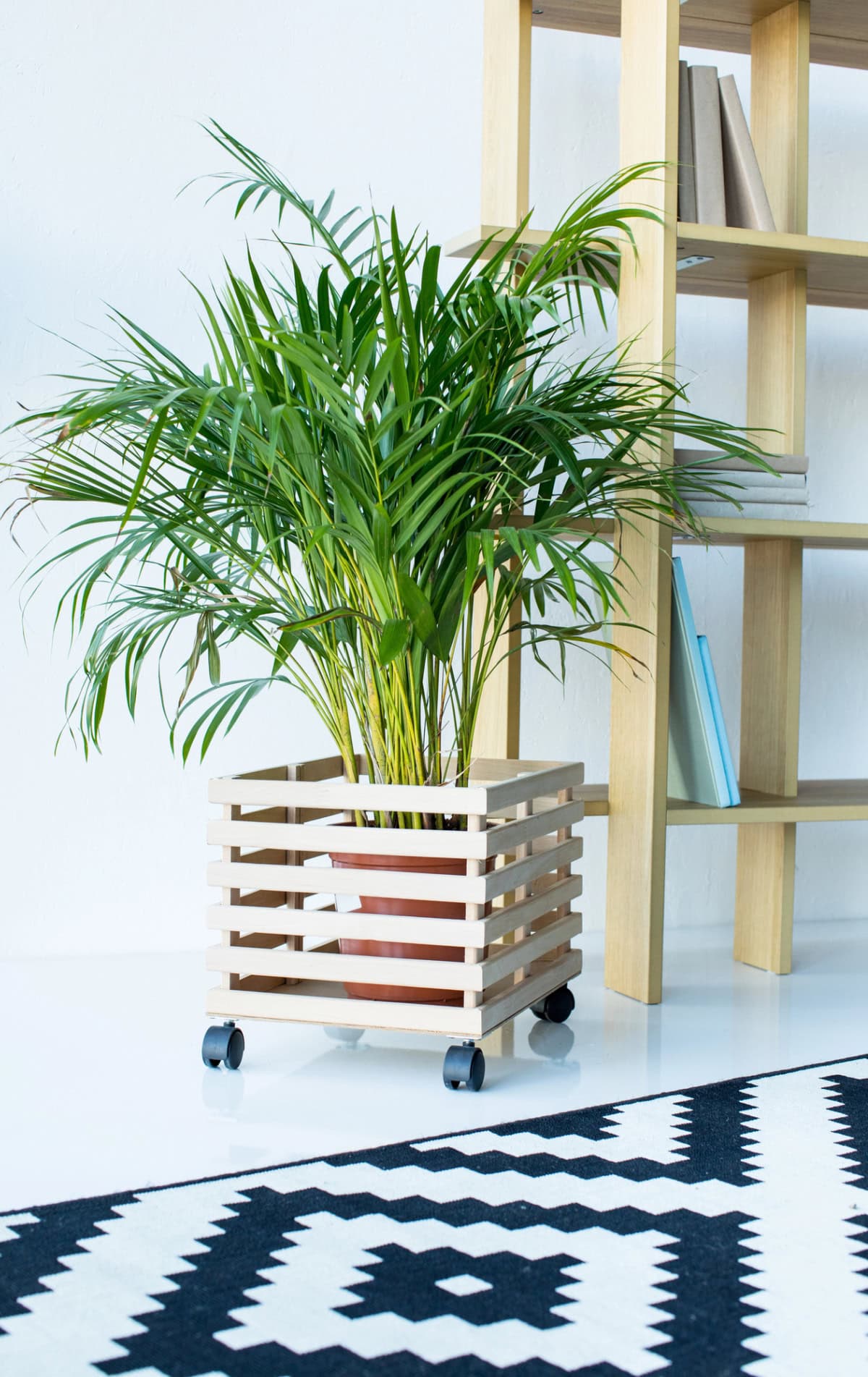
Plants are another easy option if they suit your household. Start with one plant in a spot that receives the correct amount of light, and set a recurring reminder to check its soil. If live plants aren’t practical, a vase of clipped branches can bring in a natural shape without creating a long-term care routine.
You can also take inspiration from Zen-inspired decor, which often emphasizes natural materials, simplicity and intentional placement. Use those principles lightly so your rooms still reflect your taste. One textured wall hanging or smooth ceramic vessel may be enough.
Comfort matters as much as appearance. Choose a rug that feels pleasant underfoot and curtains that soften sound in a room with many hard surfaces. Washable covers and durable fabrics are smart choices in busy family spaces. When decor is easy to clean and comfortable to use, you’re more likely to enjoy it every day.
Design quiet spots around daily routines
A peaceful space can be as small as one chair. Look for an underused corner where you can create a spot for reading, journaling or drinking your morning coffee. Add a comfortable seat, useful lighting and a nearby surface for a book or mug. Keep the setup simple so it remains ready when you need it.
Think about how noise travels through your home as well. Soft materials such as rugs, upholstered furniture and curtains can reduce echoes. Felt pads under chair legs help with scraping sounds, while a basket near the stairs gives family members a place to collect items headed to another floor. These details reduce small disruptions that build up during a busy day.
Bedrooms benefit from clear routines and limited visual stimulation. Keep work supplies out of sight if possible, charge devices away from the bed and use closed storage for loose items. A home oasis of calm often starts with making each area support a specific purpose.
Shared homes may need flexible quiet spaces. A dining chair near a window can become a reading seat between meals, or a bedroom corner can hold a compact basket of craft supplies. The area doesn’t need to be available all day. It simply needs to be easy to set up and put away.
Keep calm decor practical
A room won’t feel soothing for long if maintaining it adds more work to your schedule. Before purchasing decor, consider where it will go, how you’ll clean it and what purpose it serves. A beautiful storage box is useful only if it fits the objects you plan to place inside.
Shop your home before buying anything new. Moving a lamp from a guest room to a dim living room corner may improve the space immediately. You can also swap pillow covers, regroup framed art or move a bench closer to the entry. These changes let you test a new arrangement without spending money.
When you do shop, measure first. Record the width and depth of the available area, then keep those numbers on your phone. For wall art, use painter’s tape to outline the proposed size before placing an order. A properly scaled piece looks settled and reduces the temptation to fill awkward gaps with extra accessories.
The peaceful decorating ideas featured by Veranda offer inspiration for layering color, natural details and comfortable furnishings. Choose only the ideas that match your routines and available space. Your home should remain functional on an ordinary Tuesday, not only when it has been prepared for photographs.
A calm interior develops through small choices that make daily life feel gentler. When the evening light is warm, favorite belongings have a clear place and one comfortable chair is waiting, your home begins to offer a reliable place to exhale.

- A Coffee Date Built Around One Shared Card Game - October 6, 2026
- Holiday Prep With a Back That Keeps Complaining - October 6, 2026
- Crafting Peaceful Spaces: Soothing Touches for Home Decor - October 6, 2026