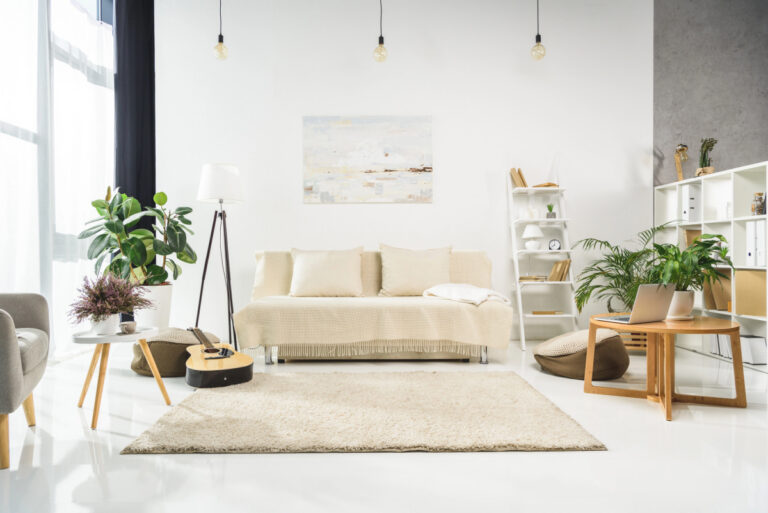
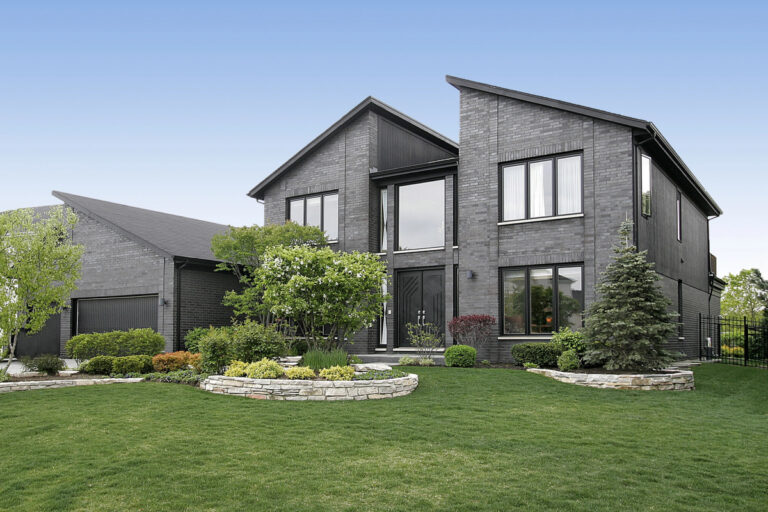
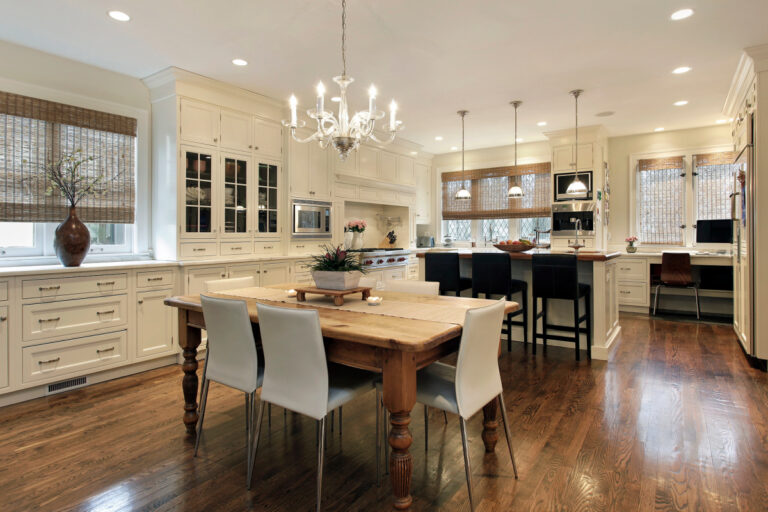
The colors you live with every day do more than decorate, and they shape how a room feels to be in. Whether a space feels calm, welcoming, or slightly off without you being able to explain why, color is often the reason. However, changing how your home feels doesn’t require renovation. Thoughtful color choices, even small ones, can make a meaningful difference to how you experience each room.
Understanding How Color Affects Daily Living
Color has a direct effect on mood and how we feel in a space. According to Hello Magazine’s guide to neuroarchitecture and color psychology, about 80% of the information we gather from our environment is visual, and of that, color accounts for roughly 40%, processed by the brain even before we recognize shapes. Soft tones tend to lower the sense of stimulation in a room, making spaces feel easier to relax in, while deeper or warmer shades bring a sense of character and enclosure that flat, purely neutral spaces often lack. A room painted entirely in cool grey with no warmth or contrast can feel clinical and uninviting, not because grey is wrong, but because, without considered layering, any color can fall flat.
Using Color to Bring Balance to Shared Spaces
In rooms designed for both activity and rest, like kitchens and living areas, especially, color works best when it supports the dual purpose of the space. You want somewhere that feels social and energized during busy moments but also calm and grounded when the day winds down. Nature-inspired tones do this particularly well. A luxury green kitchen, for example, brings warmth and depth without feeling heavy, creating a space that feels considered and lived-in instead of stark or trend-driven. Green’s association with the natural world gives it a grounding quality that holds up across different times of day and different moods, which is part of why it works so well in spaces that see constant use.
Introducing Color Without Overwhelming Your Home
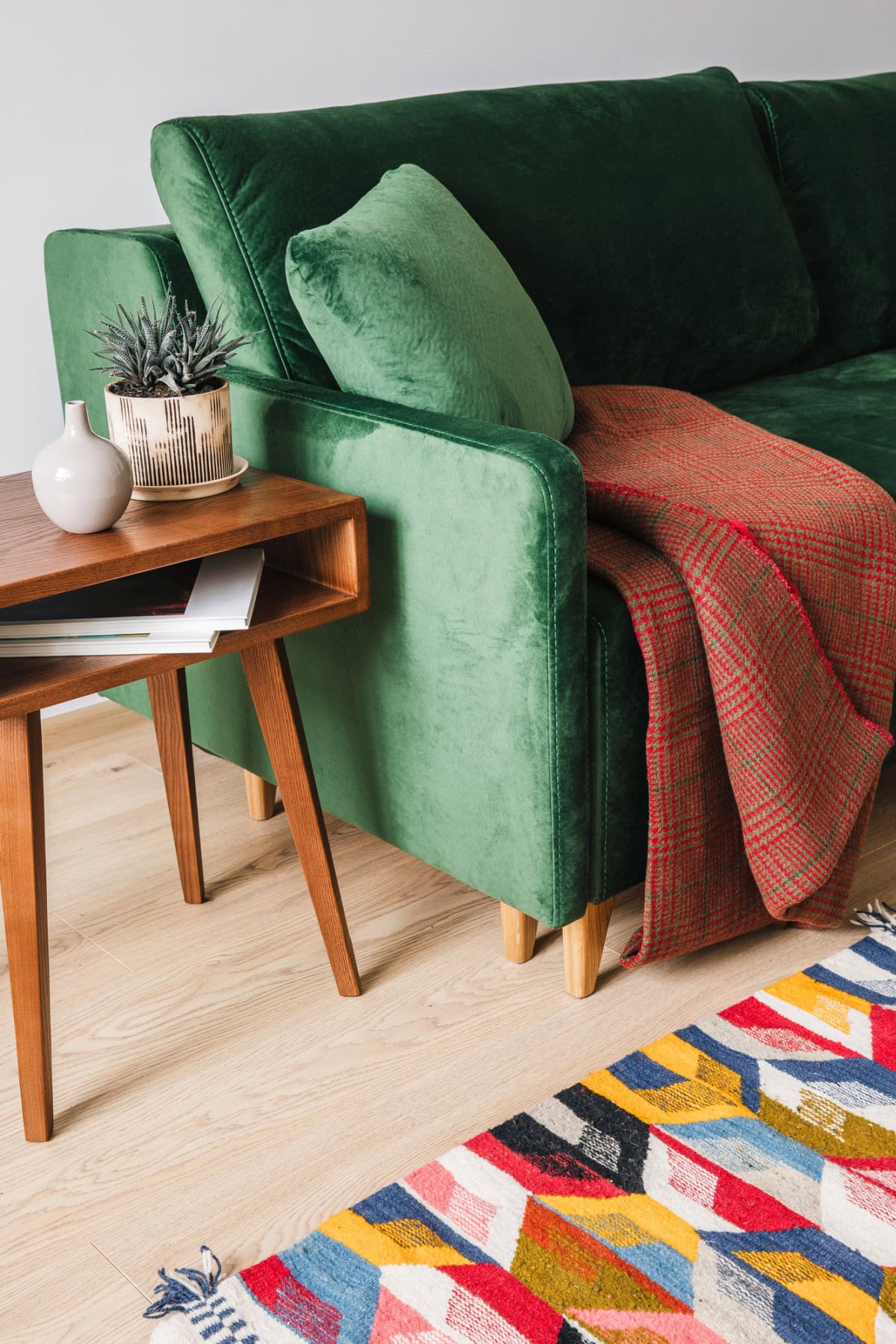
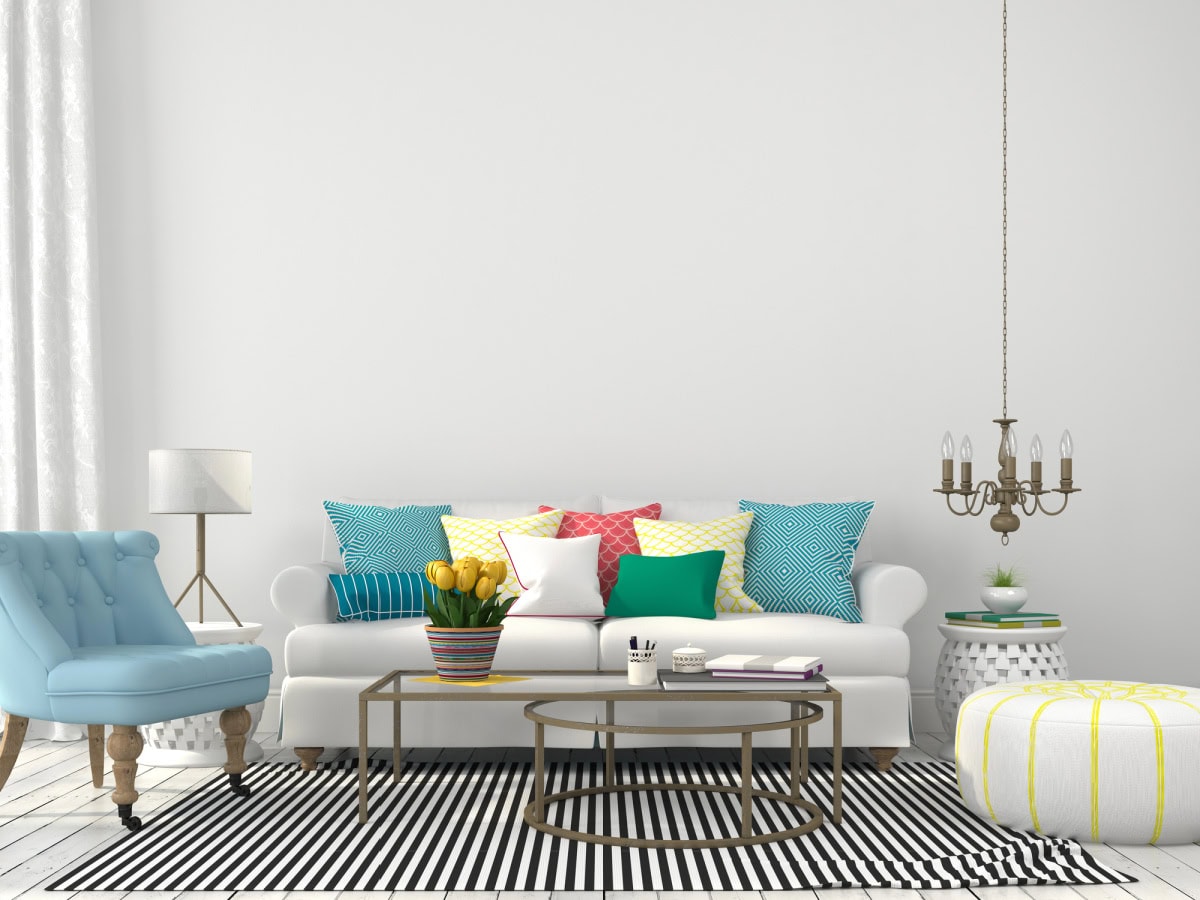
Committing to a strong color across an entire room before you’ve tested it is one of the most common sources of decorating regret. A more measured approach is to start with accessories and movable pieces before touching walls or cabinetry. As one couple renovating their home noted in Ideal Home’s February 2026 feature on living with colour, sofas, rugs, lampshades, and artwork can do the heavy lifting when it comes to color, and if your tastes change in five years, those are far easier to swap out than a freshly painted kitchen. Starting small builds confidence in a shade across different lights and times of day before you make a more permanent commitment to it.
Making Color Choices Feel Timeless
The colors that age best are those chosen in relation to the room itself, like how much natural light it receives, what materials are already present, and how it connects to the spaces around it. A shade that reads beautifully in a south-facing room might feel heavy and flat in a north-facing room. Warm neutrals, earthy greens, soft blues, and muted terracottas tend to have staying power because they respond well to shifting light and don’t rely on trend cycles to feel relevant. The most cohesive homes are those where color moves between rooms with intention, like a thread instead of a series of unrelated statements.
Creating a Home That Feels Right to You
Ultimately, color works best when it reflects how you want to feel in your home every day, not what’s currently fashionable. The most successful color choices are deeply personal ones, like the shades that make you feel settled when you walk through the door. Trust that instinct, build from it carefully, and your home will feel genuinely yours rather than borrowed from a trend.

- Activities for Kids that Get Them Outdoors and Learning - August 27, 2026
- What Families Should Look for When Choosing a New Neighborhood - August 26, 2026
- How to Recover from Vacation Jet Lag: 3 Things That Actually Work - August 26, 2026