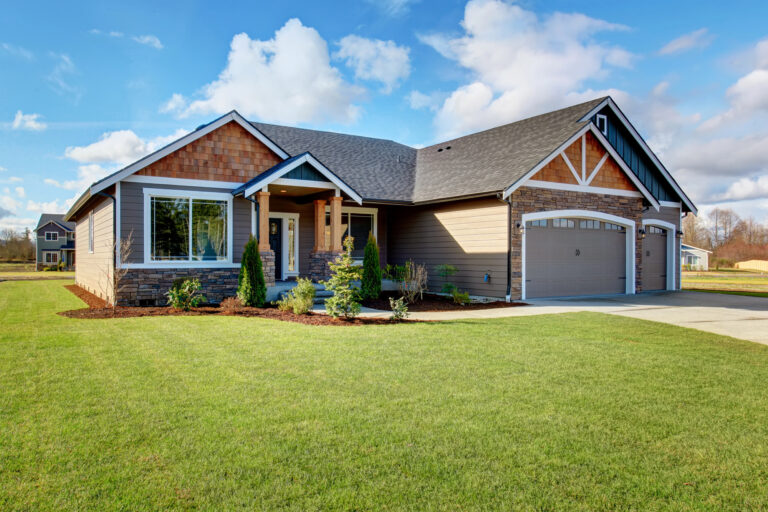
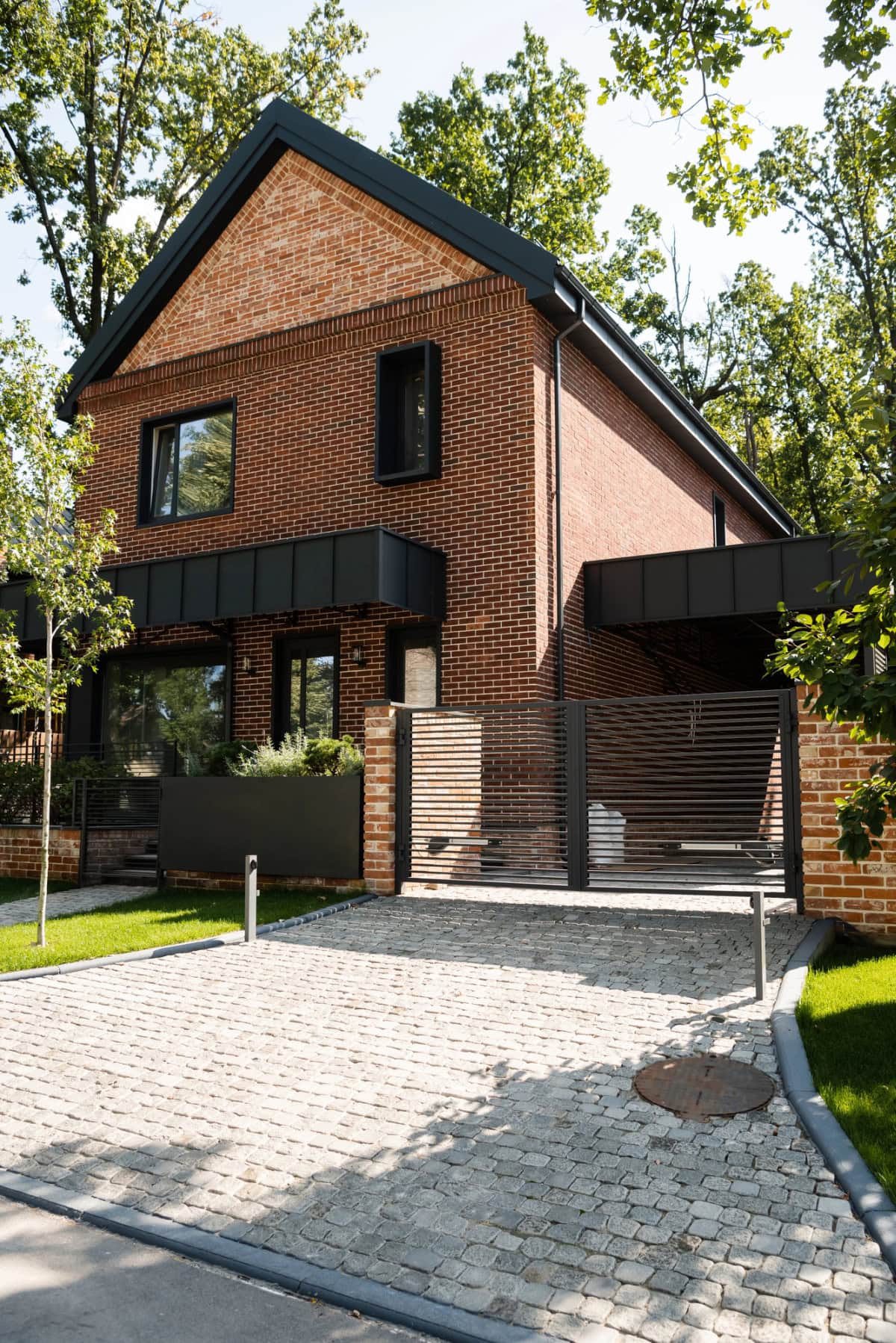
Walk up the driveway of a well-kept house and everything checks out. The lawn is edged, the gutters are clear, and the paint looks great in the afternoon light. By every ground-level measure, this is a home that’s being taken care of.
Meanwhile, the roof is working a much tougher shift. It soaks up summer sun, takes hail on the chin, gets buried in snow, and swings through wild temperature changes, all while sitting somewhere almost nobody ever looks.
That’s the thing about roofs. They fight the weather around the clock, and the damage adds up quietly, one season at a time. A house can look fine for years while the surface protecting it slowly loses ground.
Roof Problems Often Start Small
Most roof trouble doesn’t announce itself with a crash. It starts with a shingle edge that’s lifted slightly, a bit of flashing that’s pulled loose, or a thin patch where granules have worn away. Tiny stuff, and incredibly easy to miss from the lawn.
Spotting those details takes a trained eye, which is why homeowners often call a roofing contractor Aurora Colorado that residents trust before the problem gets loud. Small penetrations around vents and pipes are especially sneaky, since they can leak long before anything looks wrong.
Caught early, these little issues are usually quick fixes. Left alone, they get a few more seasons to grow, and roofs have a way of turning small neglect into big invoices. It’s the classic ounce of prevention situation, just with shingles instead of vitamins.
Water Can Travel Before Anyone Sees It
Here’s a fun fact nobody enjoys. Water that gets into a roof doesn’t always drip straight down. It follows rafters, slides along decking, and soaks into insulation, traveling a surprising distance before it finally shows up somewhere visible.
That’s why the first brown stain on a ceiling might be several feet from the actual opening. Homeowners often chase the stain with a bucket and a patch, never realizing the real culprit is sitting somewhere else entirely.
Finding the true entry point means working backward from the evidence. It’s detective work, and it explains why looking only at the ceiling can send a repair in the wrong direction while the real leak keeps right on going.

Weather Doesn’t Damage Every Part Equally
A roof isn’t one uniform surface, and the weather knows it. South-facing slopes bake in the sun while north-facing ones hold onto snow and moisture longer. Each side lives a slightly different life, like siblings who grew up in the same house but turned out nothing alike.
Edges, ridges, and valleys take extra abuse, since wind and running water concentrate there. Areas around vents, chimneys, and other penetrations deal with their own stresses because they’re where different materials meet, and seams are always the first place trouble shows up.
That uneven wear is why a careful look beats a quick glance. One slope might look great while another is quietly struggling, and treating the roof as a single blob misses the spots that actually need help. A quick glance is more of a wave than an inspection.
The Roof Can Be Aging Without Looking Dramatic
When people picture roof damage, they usually imagine a big storm, missing shingles, and an obvious mess. That kind of catastrophe is real, but it’s only half the story. The other half rarely makes the evening news.
The other half is slow, gradual aging. Sun dries out materials, temperature swings stress them, and years of ordinary weather wear everything down with no single dramatic moment to point at. It’s less like a car crash and more like a pair of well-loved sneakers.
Because nothing looks wrong, nobody acts. A roof can drift well past its prime while the house below appears completely fine, which is exactly why gradual deterioration is so easy to ignore until it suddenly isn’t. Procrastination loves a quiet problem.
Conclusion
A home’s curb appeal tells a very short part of the story. From the driveway, you can judge the paint, the lawn, and the front door, but not the surface that’s been absorbing weather for years. Curb appeal is the cover, not the whole book.
The roof is the hardest-working exterior surface on the house, and it does that work without applause. Its problems start small, travel quietly, and age slowly, which makes them easy to overlook. No wonder it rarely gets a thank-you card.
So the next time everything looks fine at ground level, remember that looks can be misleading. Sometimes the house is perfectly fine, and sometimes the roof is quietly losing the fight. A quick glance upward now and then costs almost nothing.

- The House Can Look Fine While the Roof Is Quietly Losing the Fight - October 14, 2026
- Smart Ways to Plan Time Off Work for Breast Augmentation Surgery - October 14, 2026
- Is Laser Hair Removal Worth It? 5 Ways It Saves Time and Money Long-Term - October 14, 2026