Living spaces in cities like Pittsburgh often feature traditional layouts, older architecture, and smaller rooms that can sometimes feel a bit closed off. But with the right design choices, you can transform even the coziest space into one that feels open, airy, and full of light. Making a room look bigger and brighter doesn’t require major renovations. It’s all about using smart techniques that maximize space and highlight natural light.
From choosing the right colors to arranging furniture strategically, there are countless ways to give your home a fresh, spacious feel. And if your home has limited sunlight, don’t worry. A few simple adjustments and thoughtful upgrades can make a dramatic difference in how a room looks and feels.
Let’s explore some easy yet effective tricks that can help you make the most of your space, starting with one of the most important elements in home design, your windows.
Let in the Light: The Power of Natural Illumination
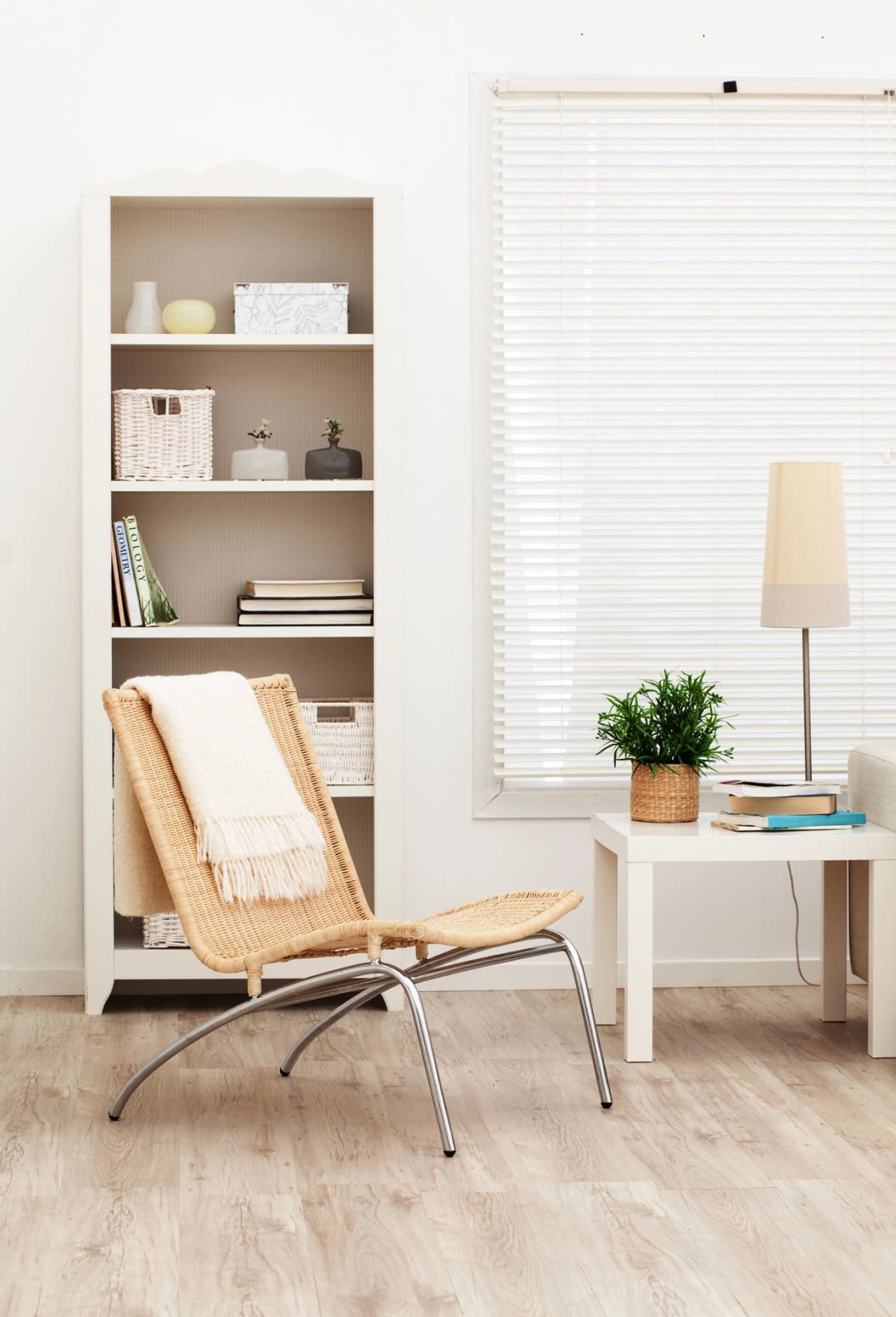
Nothing makes a room feel larger or more welcoming than natural light. It adds warmth, highlights your home’s best features, and instantly opens up small spaces. If you live in a home with older or inefficient windows, you might notice how they let in less light or allow drafts that make certain rooms uncomfortable. Upgrading your windows can completely change that dynamic.
Working with a trusted window company in Pittsburgh can help you maximize natural light while improving energy efficiency. Modern window designs are crafted to allow more sunlight in, reduce glare, and maintain consistent indoor temperatures no matter the season. Professionals can also guide you on the best styles and placements, whether that’s installing larger picture windows to frame your view or adding casement windows to bring in more air and brightness.
To enhance this effect, keep window treatments minimal. Choose sheer curtains or light-colored blinds that let sunlight flow freely. Avoid heavy drapes or dark fabrics that absorb light and make the room feel smaller. And don’t underestimate the impact of clean windows; regularly wiping away dirt and streaks can make a surprising difference in how bright your home feels.
When natural light becomes the foundation of your design, every other decorative choice you make will feel more cohesive, open, and refreshing.
Use Color Wisely: Lighter Tones for Bigger Spaces
Color has one of the strongest influences on how we perceive space. Light shades tend to reflect more light, creating the illusion of a larger, more open area. Painting your walls in soft tones such as white, cream, pale gray, or beige can instantly make a room feel expansive and airy.
If you love color but still want to maintain that sense of openness, consider pastel hues like soft blues, sage greens, or blush pinks. These tones add personality without overpowering the space. Try keeping your ceilings a shade lighter than your walls. It visually raises the height of the room.
Stick to a consistent color palette throughout your home to create flow from one room to the next. Using similar shades on walls, trim, and furniture helps everything blend seamlessly, reducing visual clutter.
Maximize Mirrors and Reflective Surfaces
One of the simplest design tricks to make a room feel bigger is using mirrors. Mirrors reflect light, making a room look brighter while also creating the illusion of depth. Positioning a large mirror opposite a window or light source can instantly double the amount of light in the room.
If you have a small living room or hallway, consider adding a full-length mirror or a gallery of smaller ones to reflect both light and surrounding décor. The goal is to make the eye travel further, giving the impression of more space.
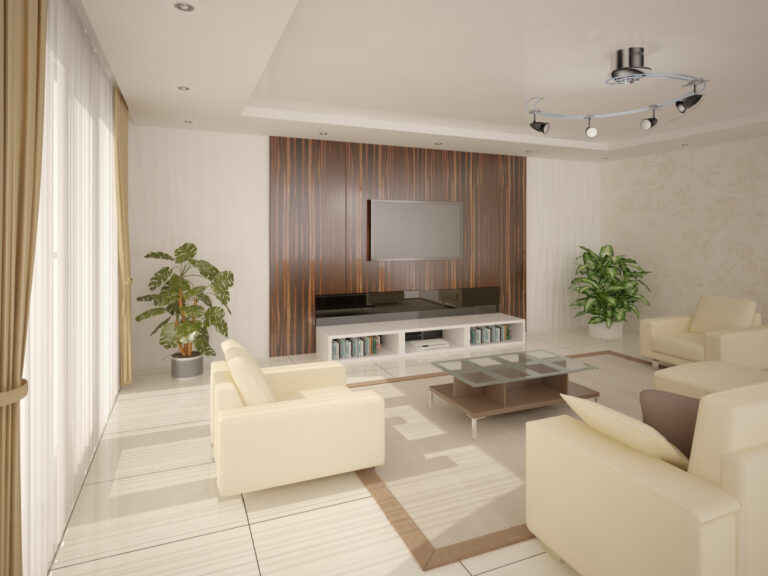
Other reflective surfaces can have the same effect. Glass tables, glossy tiles, metallic accents, or even polished wood can bounce light around the room. Just remember balance, too many shiny elements can feel cold or sterile. Aim for harmony between matte and reflective textures to create a comfortable and visually appealing environment.
Furniture and Layout: Less Is More
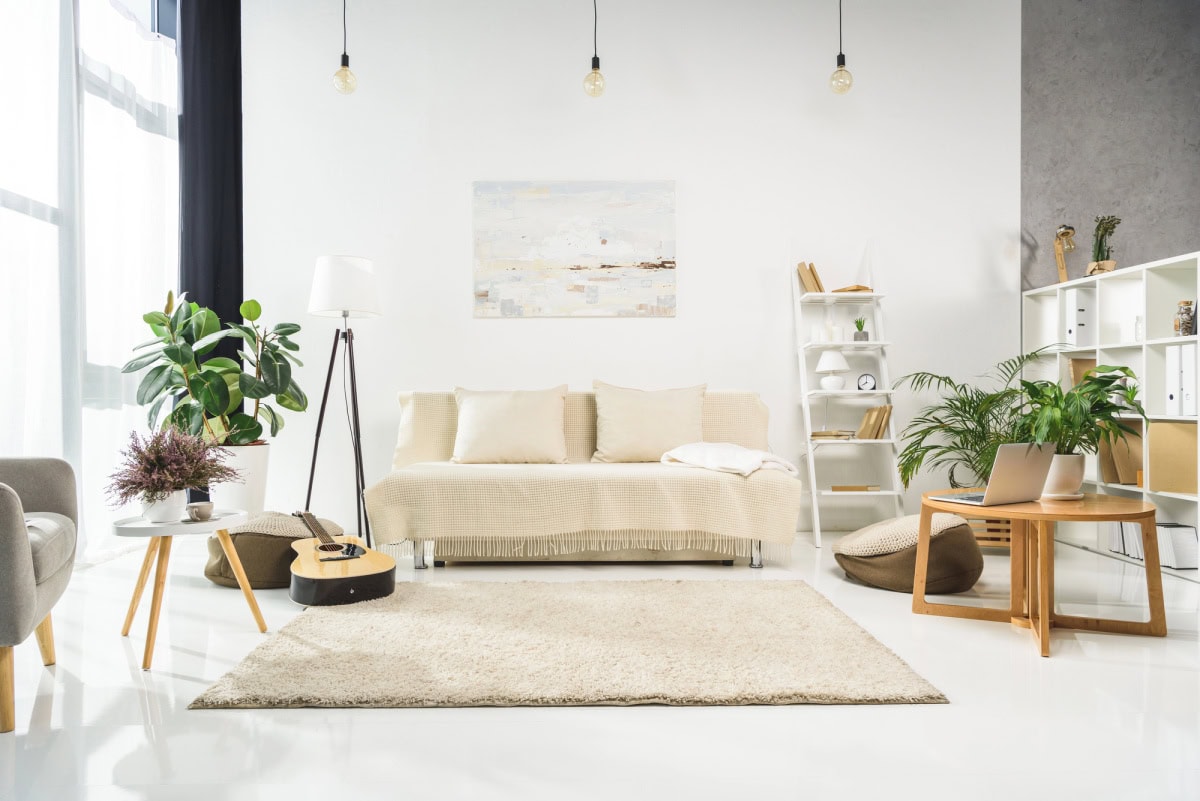
When it comes to furniture, the way you arrange it is just as important as the pieces themselves. Overcrowding a room with furniture can make it feel tight and cluttered. Instead, focus on functionality and flow.
Start by identifying the main purpose of the room. If it’s a living area, arrange seating to promote conversation but keep pathways clear. Choose furniture that fits the scale of your space; oversized couches or bulky tables can overwhelm small rooms.
Opt for pieces with visible legs, like mid-century-style chairs or open-frame tables, to create a sense of openness. Glass or acrylic furniture can also help maintain a light, unobtrusive look. Whenever possible, select multi-purpose pieces, such as storage ottomans or foldable desks, to reduce clutter.
And don’t forget about furniture placement near windows; avoid blocking natural light with tall bookcases or sofas. Keeping the space around windows open allows sunlight to spread throughout the room, enhancing that airy feeling you’re aiming for.
Playing with Lighting: Layers That Brighten Every Corner
Even with plenty of natural light, your room still needs good artificial lighting to maintain brightness at all times. The secret is layering different types of light to eliminate shadows and keep the space glowing.
Start with ambient lighting, which is your main source, like ceiling fixtures or recessed lights. Next, incorporate task lighting in key spots like reading corners, kitchen counters, or work desks. Finally, introduce accent lighting to draw attention to decorative features such as artwork, shelving, or indoor plants.
Warm LED bulbs can make a big difference, adding both efficiency and a cozy atmosphere. If your space feels flat, install dimmers to adjust the light intensity based on time of day or activity.
Decorative lamps, wall sconces, and even under-cabinet lighting can further enhance brightness. The goal is to ensure no area of the room feels dark or unused.
Declutter and Organize: Space Feels Bigger When It’s Tidy
Clutter is the enemy of spacious design. When surfaces are covered with random items, even large rooms can feel cramped. Start by clearing off countertops, coffee tables, and shelves, leaving only a few meaningful or decorative objects.
Use smart storage solutions like baskets, built-in cabinets, or furniture with hidden compartments to keep items out of sight. Vertical storage options, like tall shelves or wall-mounted organizers, help free up floor space and make ceilings appear higher.
It’s also helpful to maintain a routine for decluttering. Spend a few minutes each day putting things back in their place. Not only does this keep your space looking neat, but it also helps you feel calmer and more focused.
Creating a bright, open space isn’t about square footage. It’s about smart design choices. By maximizing natural light, choosing light colors, using mirrors, and keeping things organized, you can transform any room into a welcoming retreat.
Your home should be a reflection of how you want to feel: calm, inspired, and at ease. With these simple tricks, you can enjoy the beauty of light and space in every room, no matter its size.

- The House Can Look Fine While the Roof Is Quietly Losing the Fight - October 14, 2026
- Smart Ways to Plan Time Off Work for Breast Augmentation Surgery - October 14, 2026
- Is Laser Hair Removal Worth It? 5 Ways It Saves Time and Money Long-Term - October 14, 2026