This is something that almost all families experience sooner or later. At some point, when you survey the place you live in, you notice that it no longer fits your current situation well. Perhaps, your children have become adults requiring their own room; maybe, now your living room doubles as an office because of your working-from-home habits.
In case when lack of space starts to be felt in your everyday routine, there comes a moment when it is high time to relocate somewhere else. Although renovating existing accommodation is what people tend to think about first, it does not mean that it is always the right way to go.
Before spending money on the reconstruction, you should consider whether buying a brand new house or apartment could prove to be more advantageous for your family.
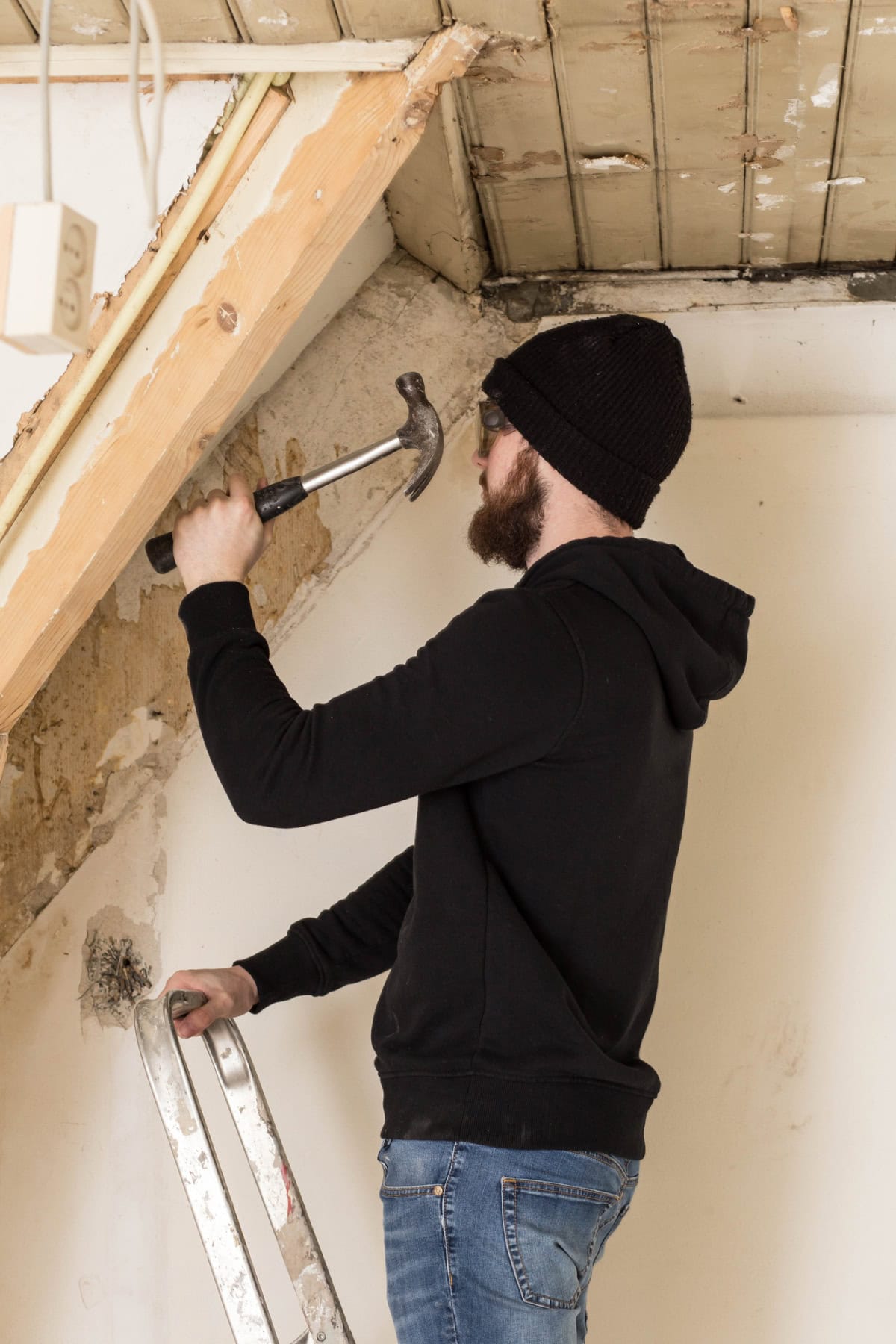
Start by Understanding What Your Family Actually Needs
Identify the Problems Your Current Home Cannot Solve
It is important to identify the problem areas for making an educated decision on how to proceed with renovations. Is the problem related to the insufficient number of bedrooms and bathrooms, or is it the layout design itself? Houses that do not offer sufficient lighting, storage capacity, and connection to the outdoors create rather discouraging living conditions.
What is more, if you are about to move together with your growing children and your elderly parents, issues of access and privacy become central for the house you are choosing. Some structural issues, such as improperly positioned load-bearing walls or dark and low-ceiling rooms, are notoriously difficult and expensive to address.
Distinguish Between Wants and Long-Term Needs
It is easy to get caught up in the excitement of cosmetic upgrades, but you need to look ahead. A beautiful new kitchen bench is lovely, but will it solve your spatial issues in ten years?
Prioritize the features that support your everyday routine over the next decade. Think about flexible spaces that can adapt from playrooms into study nooks, rather than just focusing on immediate, short-term visual fixes.
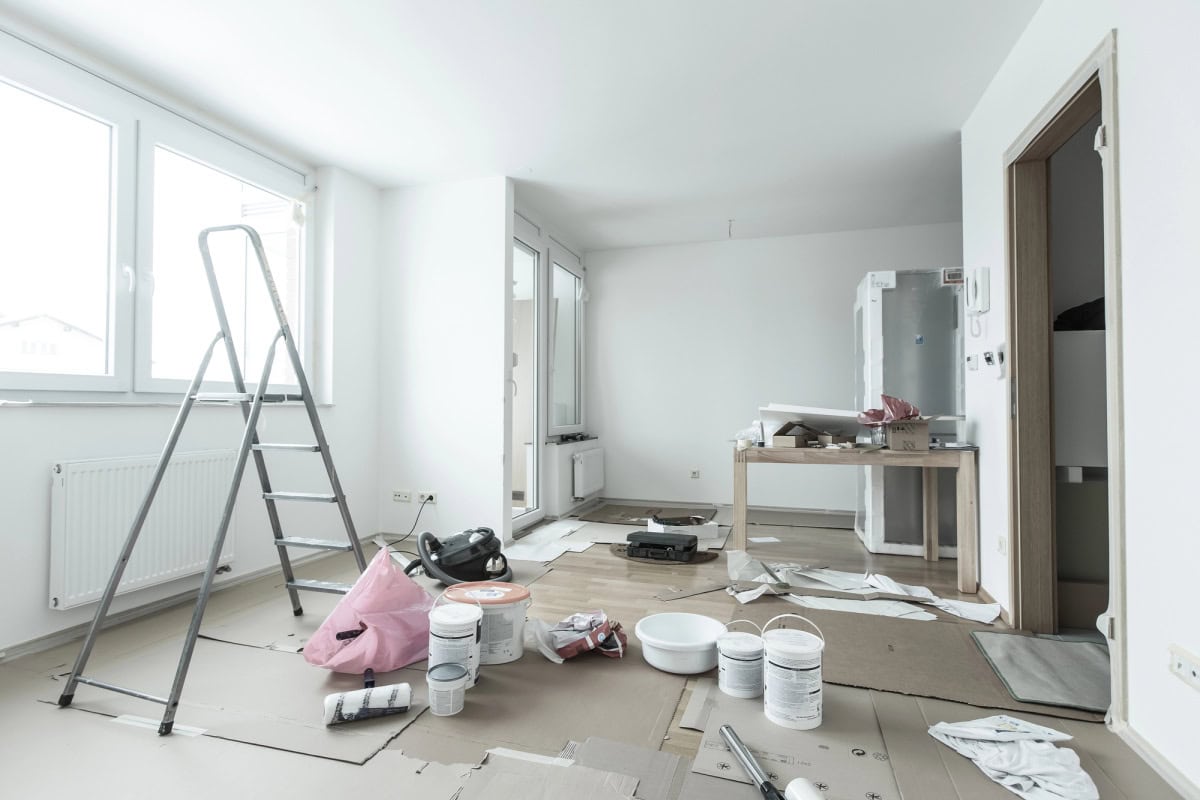
When Renovation Makes Financial and Practical Sense
Renovations Are Often Ideal for Smaller Changes
When you enjoy most of the structural parts of your house, and everything seems to fit together perfectly, then it makes sense to go with an extensive renovation project. Remodeling your old-fashioned kitchen, updating your bathrooms, or creating a small extension to the back of your house can give your home a whole new look. With these renovations, there is no need for a major upheaval in your life.
Consider Hidden Renovation Challenges
Nevertheless, renovations in a pre-existing structure rarely go smoothly. According to findings from research carried out by the consumer organization CHOICE, budget overruns are extremely common, especially when removing interior walls uncovers faulty wiring, plumbing problems, or other structural problems.
Then there’s the process of getting approval from your local council, dealing with the hassle of living in a construction zone, and coping with the difficulty of blending the past with the present. Information collected by Australian Renovation suggests that older homes often conceal difficulties that can make initial budget estimates increase rapidly.
When Starting Fresh May Be the Better Investment
Some Homes Have Reached Their Practical Limits
At some stage, there’s nothing left to adapt in a house anymore. If your current property has a design that looks completely old-fashioned or poorly insulated for energy efficiency, then remodeling the house could appear to be a temporary fix rather than the right solution to your problem. This will definitely be the case when your house has been remodeled a number of times, resulting in a disorganized layout.
The Benefits of Designing Around Modern Family Living
Creating a plan from scratch gives you complete freedom and helps you take into account everything that is necessary. With such an approach, you will be able to create a bright space for spending leisure time with your family or work comfortably at home.
In situations where major structural changes are required, many homeowners begin exploring a knockdown rebuild approach as a way to create a home that better suits their family’s long-term needs while remaining in a location they already love. It allows you to maximize your block of land, ensure proper orientation for natural sunlight, and include multi-generational living options if required.
Looking Beyond Upfront Costs
Compare Total Ownership Costs
While analyzing the figures, do not concentrate only on the construction costs of the building itself. After all, old houses are automatically associated with the higher cost of their maintenance and repairs. At the same time, a new house will give an opportunity to use the newest building materials available.
The information provided by CSIRO indicates that today’s construction methods provide for the reduced need for heating and air conditioning. Therefore, after purchasing a newly built insulated house, one will pay much less money on electricity and gas than the owner of an old house would.
Consider Lifestyle Value
The benefits of this aspect should not be ignored. Entering a house that meets all your requirements regarding comfort makes your life easier. Although it may seem that statistics from the Australian Bureau of Statistics prove that a big part of a typical Australian budget is used for housing expenses, it may be said that all the advantages of a modern house make its cost quite acceptable.
Questions Every Family Should Ask Before Making a Decision
A Simple Decision Checklist
Before signing any contracts, sit down together and run through these fundamental questions:
- Does our current floor plan support the way we want to live in five or ten years?
- Are our projected renovation quotes creeping uncomfortably close to the cost of a completely new build?
- Can our current block of land physically accommodate the design we actually want?
- Would moving or selling create massive disruptions to school zones and daily commutes?
- Exactly how long do we plan on staying in this neighborhood?
Think About the Next Decade, Not Just the Next Year
Make sure that you do not finalize a decision purely out of a temporary need. Do not base the entire process on a year-by-year basis. Taking into account the balance between your finances and the desired lifestyle results will ensure that you are satisfied with the choice even a decade later.
Conclusion
In summary, it does not matter what anyone else says – there is never any one-size-fits-all answer in the property market, especially regarding Australian families. Sometimes, renovations might be sufficient if you live in a home with excellent foundations, but just requires a few small changes.
Nonetheless, renovating a house may prove to be quite restrictive in terms of your lifestyle requirements, making new builds a significantly better decision. Ultimately, spend some time considering your options and see which one makes you feel most secure and comfortable.

- The One-Bag Family Outing System: How to Pack Without Bringing the Whole House - August 2, 2026
- Here Is How Debt Relief Can Help To Restore Your Family Finances Today - July 31, 2026
- How Busy Professionals Schedule Dermal Filler Treatments - July 31, 2026