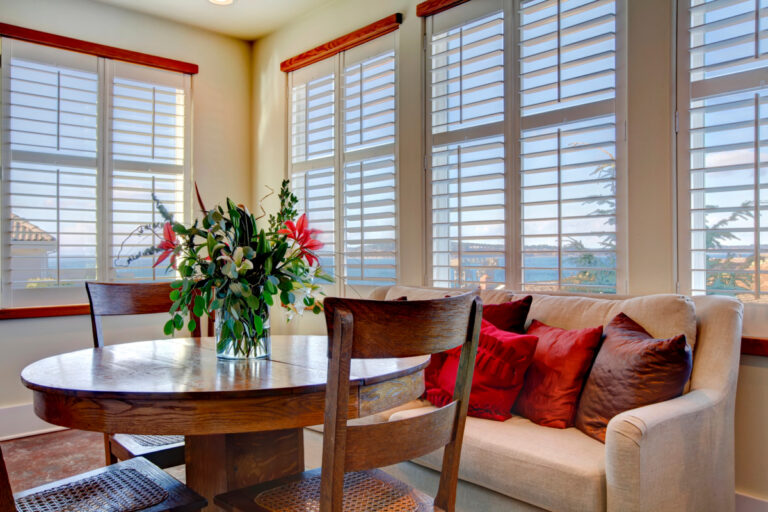
Somewhere between “I’ll just repaint it myself” and “we’re taking down a wall” lies a question most homeowners never quite resolve: who should actually help with this? The terms get thrown around interchangeably, but interior designers, decorators, and full DIY are three different paths with three different price tags and outcomes. Picking the right one for the project in front of you saves money, time, and the particular frustration of realizing halfway through that you were in over your head, or that you paid for expertise you never needed.
Here is a clear-eyed look at what each option is genuinely good for, so you can match the help to the job.

What a decorator actually does
A decorator works with the space you already have. They are not moving plumbing or reconfiguring walls; they are making a room look and feel finished. Color palettes, furniture selection and arrangement, window treatments, rugs, lighting, art, and accessories are their domain. If your bones are good but the room feels flat, disjointed, or unfinished, this is the level of help you want.
The value a decorator adds is deceptively hard to replicate on your own. They see scale and proportion instinctively, know how to make a collected-over-time look feel intentional rather than random, and can pull a room together with a few decisive choices instead of the dozen half-measures most of us cycle through. A good decorator also saves you from expensive mistakes: the sofa that blocks the walkway, the rug that is two sizes too small, the paint that looked perfect on the chip and wrong on the wall.
What a designer adds on top
Interior designers do everything a decorator does, then keep going into the structure of the space itself. They work with floor plans, coordinate with contractors, plan for new construction and renovation, and make decisions that get baked into the building: where a wall goes, how a kitchen flows, what a room is even for. If your project involves construction, layout changes, or a from-scratch build, you want design expertise, not just decorating.
In practice, many established firms blur the line usefully. The same team that can redesign a floor plan for a new build can also just refresh your family room, and having both capabilities under one roof means the aesthetic decisions stay consistent whether or not a hammer is involved.

When DIY is genuinely the right call
Not every room needs a professional, and pretending otherwise wastes money. If you have a clear sense of your style, a modest and forgiving scope, and time to iterate, DIY can be deeply satisfying. Building a mood board, measuring carefully, testing paint at different times of day, and shopping patiently will get you a long way in a single low-stakes room.
DIY starts to break down in predictable places, though. Awkward layouts that never quite work, open-concept spaces that need zoning, rooms where your budget is large enough that mistakes get expensive, or projects where you simply cannot picture the finished result- these are the moments to bring in help. The tell is usually emotional: if a room has stalled for months because every option feels wrong, you have hit the ceiling of DIY, and a professional will unstick it in a single visit.
How to decide, honestly
Three questions sort most projects quickly. First, are you changing the structure, walls, plumbing, layout, or just the look? Structure means designer. Second, how forgiving is the budget? The more a mistake costs, the more professional guidance pays for itself. Third, do you actually enjoy this, or are you dreading it? Enthusiasm and time are real resources; if you have neither, hiring out is not a luxury, it is a sensible trade.
It is also worth knowing that hiring help is not all-or-nothing. Plenty of homeowners bring in a professional interior decorator for a single paid consultation, walk away with a plan and a shopping list, and execute the rest themselves. It is one of the best-value moves in the whole process: a couple of hours of expert eyes on your specific room, and you avoid the costly missteps while keeping the parts you enjoy.
What working with a professional usually looks like
Most reputable firms follow a similar arc, and knowing it helps you decide how much involvement you want. It typically begins with a consultation, often at your home so the professional can see the actual light and flow, where they measure, photograph, and learn your style. From there, they build a plan tailored to your space and budget, present it with real swatches and furniture options, so you approve the look before committing, and, if you want them to, coordinate delivery and installation.
You can step off that path at any point. Some clients want the full white-glove version from first sketch to final styling; others just want the plan. Either is legitimate, and a good firm will tell you honestly which level of service your project actually calls for rather than upselling you into more than you need.
A quick reference
- Refreshing the look of a structurally fine room → decorator (or a DIY-with-consultation hybrid).
- Changing layout, walls, or building new → interior designer.
- Small, low-stakes room and you enjoy the process → DIY.
- Stalled for months, or the budget makes mistakes painful → bring in a professional, even just once.
- Want consistency across many rooms → a full-service firm that does both design and decorating.
The takeaway
There is no prize for doing it the hard way, and no shame in doing it yourself. The goal is simply to match the help to the job: a decorator to make good rooms feel finished, a designer when the structure is in play, and your own two hands when the scope is small, and the work sounds like fun. Be honest about which situation you are in, and every path leads somewhere you will be happy to come home to.

- Here Is How Debt Relief Can Help To Restore Your Family Finances Today - July 31, 2026
- How Busy Professionals Schedule Dermal Filler Treatments - July 31, 2026
- Interior Designer vs. Decorator vs. DIY: What Your Project Actually Needs - July 31, 2026