A quick trip to the park should not feel like a small-scale move. Yet many parents leave home carrying a backpack, a tote, several water bottles, extra clothes, snacks for every possible mood, and enough toys to fill the back seat. Then, when someone needs sunscreen or a clean wipe, the one useful item is buried at the bottom.
The problem is rarely poor planning. Most parents are simply trying to be prepared. What is missing is a clear way to decide what belongs in the bag and what can stay home.
The one-bag system works for playground visits, zoo trips, sporting events, appointments, short road trips, craft days, and spontaneous weekend plans. It offers a repeatable method for choosing what matters, keeping it within reach, and resetting the bag before the next outing.
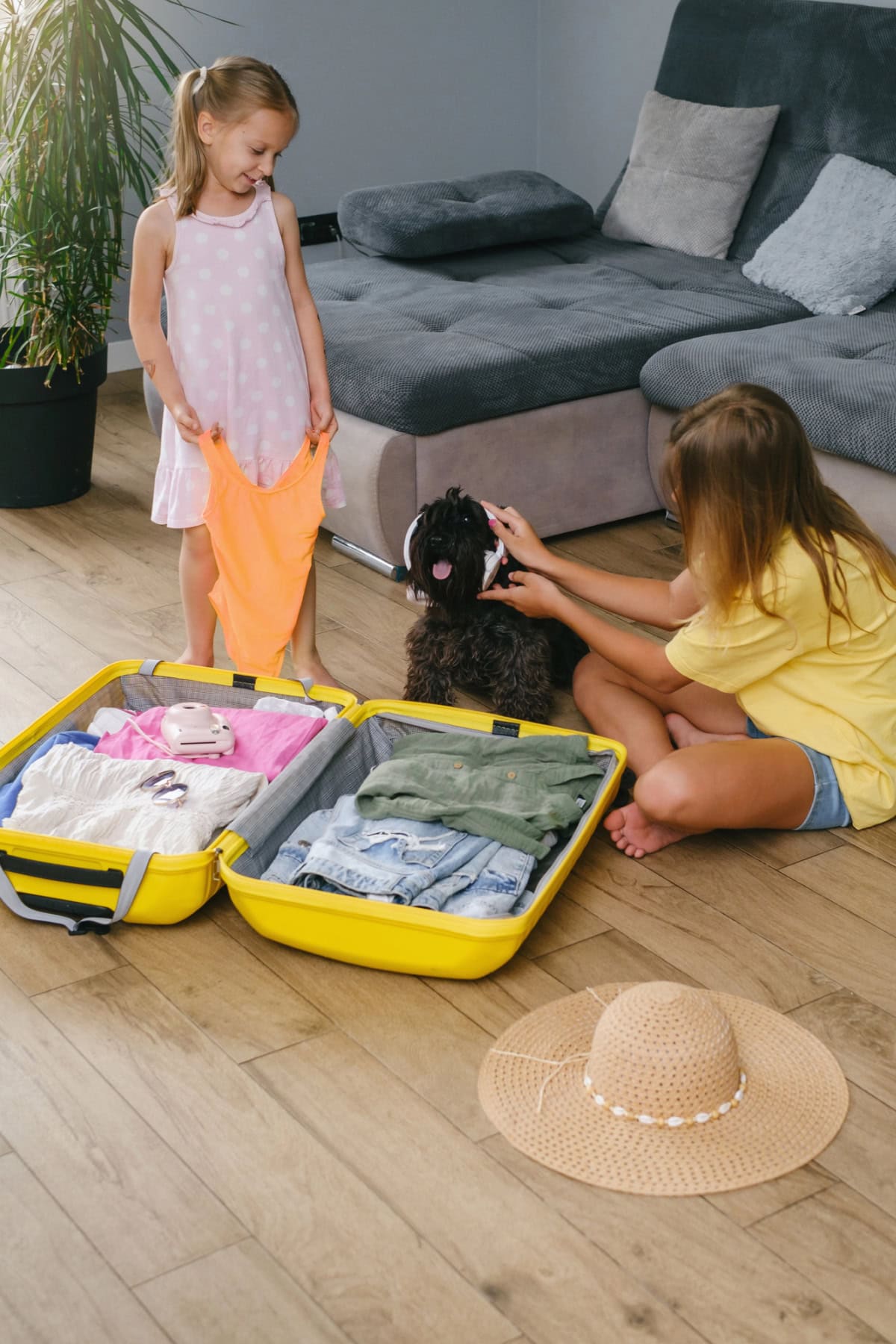
Why Family Outings Turn Into Packing Marathons
Overpacking usually begins with reasonable concerns. What if the weather changes? What if someone spills a drink? What if the kids get hungry, bored, cold, or muddy?
One extra item quickly becomes several. A two-hour park visit suddenly includes multiple outfits, a craft kit, backup shoes, and far too many snacks. Other family members may add things without checking what is already inside. Before long, the bag contains duplicates and items nobody is likely to use.
The extra weight is only part of the problem. A crowded bag also makes essentials harder to find. Wipes disappear beneath jackets. Keys slip between snack containers. Sunscreen ends up under a blanket that never leaves the bag.
Being prepared does not mean carrying a solution for every possible problem. It means packing for the outing you are actually taking.
Ask Three Questions Before Anything Goes In
Before reaching for the bag, pause and ask:
- Where are we going?
- How long will we be away?
- What will already be available there?
These questions help separate genuine needs from packing habits.
A short playground visit may require water, one snack, wipes, and a small toy. A day at the zoo calls for more water, sunscreen, weather protection, and perhaps an extra layer. A restaurant outing may need only wipes, a quiet activity, and a spare shirt for a younger child.
Consider what the destination provides. Are there washrooms, food stands, water fountains, shaded areas, or nearby shops? Will the car remain close enough to hold backup clothes or larger supplies that are safe to leave there?
Check the forecast, think about the activity, and account for each child’s age. A toddler and a ten-year-old do not need the same supplies. Neither do a short appointment and a full family day out.
The aim is not to pack as little as possible. It is to carry enough without hauling items intended for unlikely situations.
Give the Bag Three Clear Zones
A family outing bag works best when everything has a predictable place. Divide it into three simple zones.
Zone One: Adult Essentials
Keep your phone, wallet, keys, cards, tickets, medication, sunglasses, and other small valuables together. These are often the first things you need when you park, check in, pay, or enter a venue.
Use an outer pocket, top compartment, or slim pouch. The exact setup matters less than putting each item back in the same place.
Zone Two: Shared Family Supplies
This section holds items everyone may use, such as wipes, tissues, sunscreen, hand sanitizer, water, and a modest snack supply. A few adhesive bandages may also be useful for routine local outings.
Group these supplies in one pouch or compartment, but avoid creating a maze of small containers. Too many organizers can make the bag just as frustrating as no organization at all.
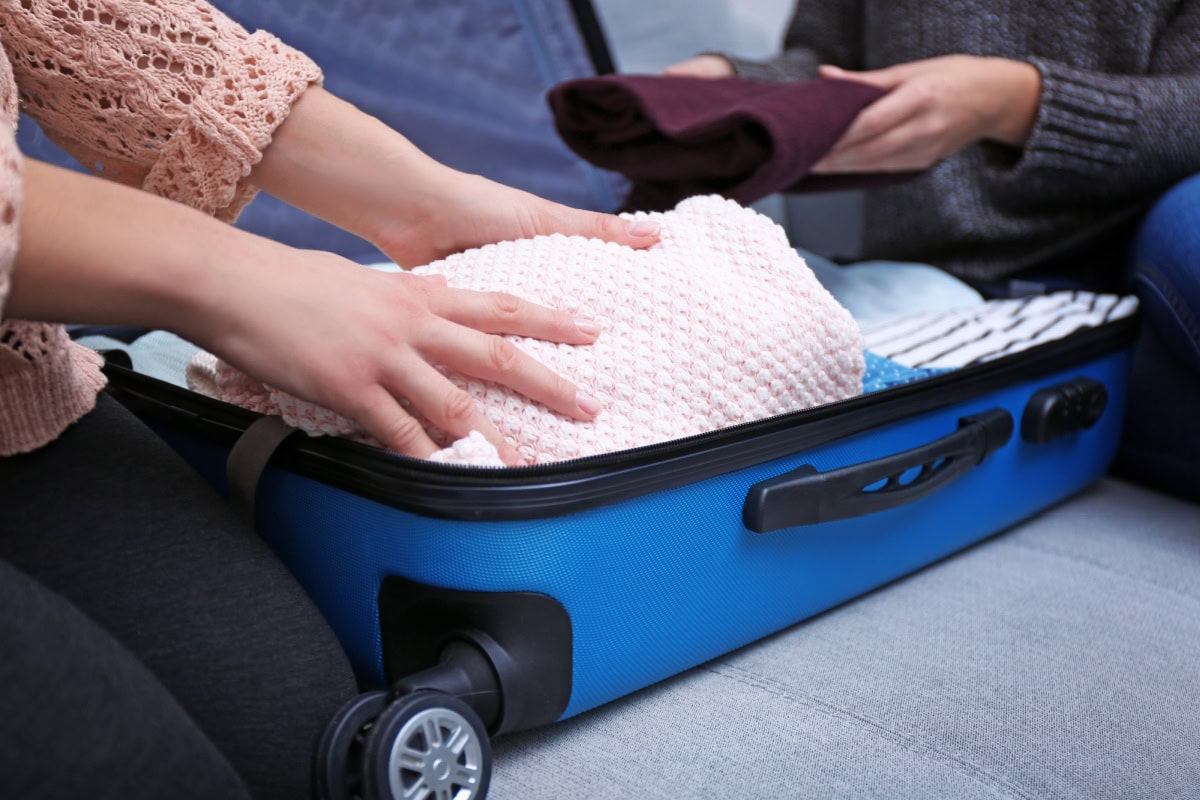
Zone Three: Child Comfort and Activities
Give each child space for one small comfort item or activity suited to the plan. A younger child might bring a favorite soft toy. An older child could choose a book, sketchpad, or compact game.
One well-chosen activity is easier to manage than a bag filled with options.
Keep the Things You Reach for Most Close By
A neatly packed bag can still fail if you have to empty half of it to find your keys.
Think about the order in which you use things. Your wallet, phone, parking pass, tickets, sunglasses, and compact weather gear should be near the top or in an accessible pocket. Items needed only once or kept as backups can sit deeper in the bag.
Parents refining their setup may find it helpful to explore practical options for carrying outdoor essentials, especially when deciding how to keep cards, keys, travel items, and small weather accessories together.
Keep adult belongings separate from crayons, wrappers, toys, and spare clothing. Clip keys to a secure loop or return them to the same zipped pocket after each use. Store tickets beside the wallet instead of dropping them loose into the main compartment.
Giving small items a consistent home saves time and reduces frustration.
Set Limits Before the Bag Starts Growing
Even an organized bag becomes cumbersome when every pocket is full. A few sensible limits keep the system manageable.
Let each child choose one activity or comfort item. Pack one practical snack per person, with a small backup when the length of the outing justifies it. Adjust spare clothing to the child’s age and the situation. A toddler may need a complete change, while an older child heading to the library probably does not.
Use outing-sized quantities instead of full household packages. A refillable wipe pouch takes up less room than a large container. A few crayons in a pencil case are enough for a restaurant. A small supply of adhesive bandages is more practical than carrying a large first-aid kit on a routine local trip.
Leave some space empty. You may need room for a child’s jacket, a completed craft, a small purchase, or the collection of leaves and rocks that somehow comes home from every walk.
Before leaving, remove anything left from the previous outing. Old receipts, dried markers, wrappers, and outgrown supplies create clutter without adding value.
Reset the Bag When You Get Home
The best time to prepare for the next outing is shortly after the current one ends.
Remove food, rubbish, wet clothes, used tissues, completed activity sheets, and anything sticky or broken. Wipe the bag if necessary, then check the few supplies that regularly need replacing.
A simple reset takes only a few minutes:
- Empty the main compartment and pockets.
- Throw away rubbish and unfinished food.
- Remove clothing, toys, crafts, and collected treasures.
- Refill wipes, snacks, or sunscreen as needed.
- Return the bag to its usual place.
Older children can remove their own belongings and dispose of their rubbish. That small responsibility keeps the entire routine from falling to one parent.
Do not automatically repack the same contents. Look at the next plan first. A pool visit, a sports game, and a library trip require different things.
A Lighter Bag Makes Room for a Better Day
A useful family outing bag does not try to cover every possible scenario. It keeps the most likely essentials organized, accessible, and appropriate for the day ahead.
The real benefit is spending less time searching through pockets, carrying unused supplies, or wondering whether you forgot something important.
Use the same three zones, set sensible limits, and reset the bag when you return home. As children grow and routines change, adjust what belongs inside.
One thoughtfully packed bag will not make every outing perfect. It can, however, make getting out the door feel calmer and leave you with more attention for the people you planned the day around.

- The One-Bag Family Outing System: How to Pack Without Bringing the Whole House - August 2, 2026
- Here Is How Debt Relief Can Help To Restore Your Family Finances Today - July 31, 2026
- How Busy Professionals Schedule Dermal Filler Treatments - July 31, 2026