Living in New York comes with a price tag most people feel every single month: rent, groceries, transportation, childcare, and it can all add up faster than a paycheck can keep pace with. For a lot of families, that gap gets covered with credit cards, and before long, minimum payments start eating into money that should be going toward savings, school costs, or just breathing room at the end of the month.
If this sounds familiar, know that you are not alone, and there is a real path forward. Here are five ways debt relief can actually help restore your family’s finances, step by step.
1. It Stops the Debt Snowball From Growing
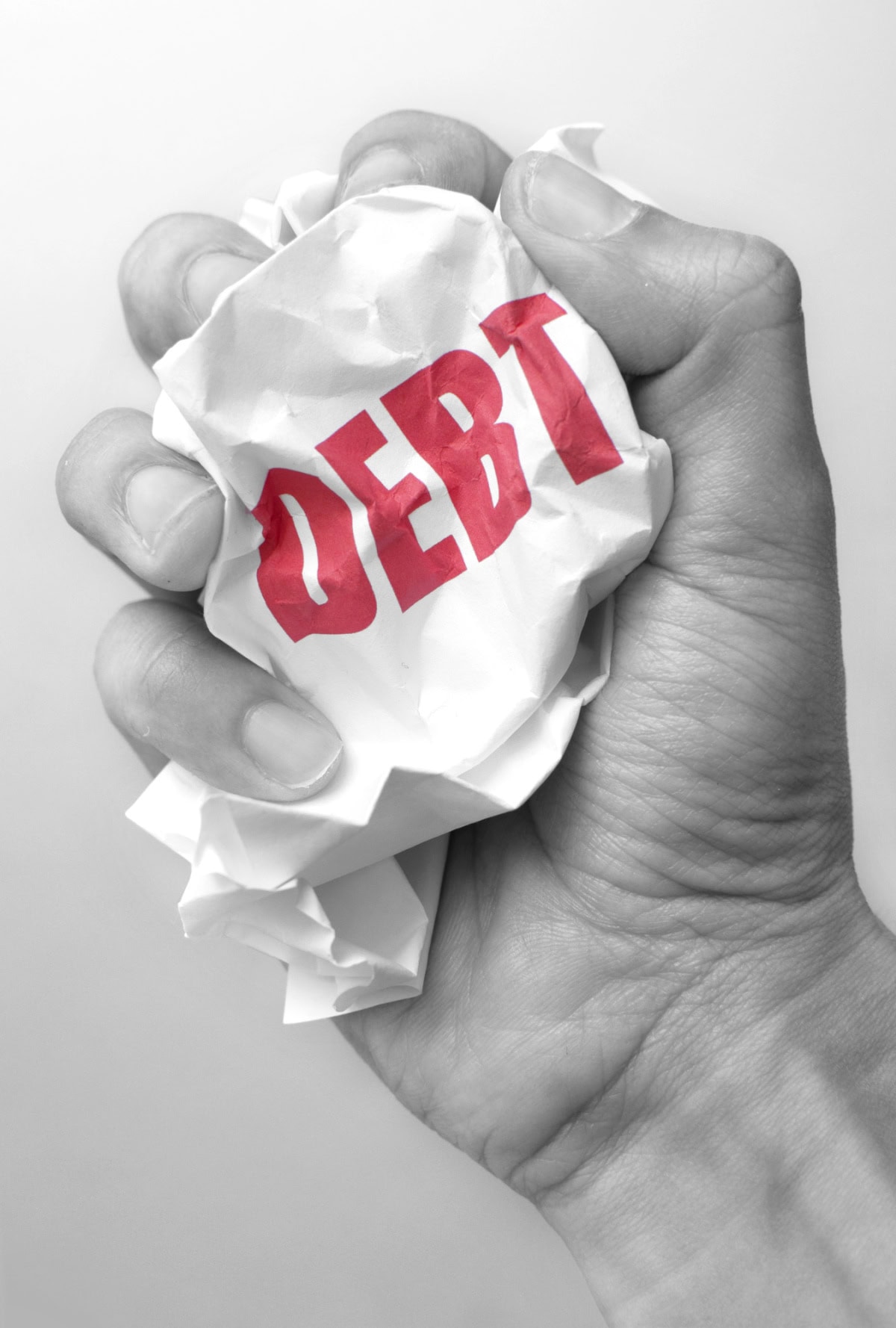
One of the biggest problems with carrying credit card debt is the interest that keeps piling on top of what you already owe. A debt relief program is designed to interrupt that cycle, either by consolidating multiple debts into one manageable payment or by negotiating down what you owe altogether.
Either way, the goal is the same: stop the number from climbing every single month while you try to catch up, so your payments finally start making a visible dent instead of disappearing into interest charges.
2. It Gives You a Clear Timeline
One of the biggest advantages of a debt relief plan is that it replaces uncertainty with a clear path forward. Instead of making minimum payments without knowing when your debt will finally be gone, you have a structured repayment plan with defined goals and a realistic timeline. Having that clarity can make it easier to budget, stay motivated, and plan for other financial priorities, such as building an emergency fund or saving for future expenses.
The need for a clear repayment strategy is becoming increasingly important as household debt continues to rise. According to recent data reported by LendingTree, Americans’ total credit card balance reached $1.252 trillion in the first quarter of the year, marking a 63% increase over the past five years. These figures highlight why creating a realistic plan with a defined end goal can be an important step toward long-term financial stability.
3. It Reduces the Mental Load on Parents
Financial stress often affects more than just a household budget. It can impact sleep, relationships, and the ability to focus on everyday family responsibilities. For many families exploring debt relief New York options, finding a repayment strategy that reflects their income, expenses, and local cost of living can make the process feel more manageable and reduce the uncertainty that comes with ongoing debt.
According to information shared by US National Credit Solutions, debt relief is most effective when it is tailored to an individual’s financial circumstances rather than based on a standard approach. A structured repayment plan can also support healthier financial habits over time. As balances decrease and payments remain consistent, many people are in a better position to strengthen their credit profile, making it easier to qualify for more favorable borrowing terms in the future.

4. It Helps You Prioritize What Actually Matters
Once a debt relief plan is in place, it becomes much easier to direct extra income toward things that genuinely move your family forward, an emergency fund, your child’s education, or simply groceries without the constant mental math. Instead of debt swallowing every spare dollar, you get to decide where your money goes again, which is a small shift that changes almost everything else.
● Lower monthly payment obligations
● One consolidated bill instead of several
● A defined payoff date
● Reduced collection calls and late fees
● A clearer path to rebuilding credit
5. It Restores a Sense of Control
Not every debt relief strategy works the same way in every state, and having a plan that fits your actual budget, rather than a generic formula pulled from somewhere else, makes the entire process feel far more manageable. Once a clear plan is in place, families often describe feeling like they finally have their hands back on the wheel of their own finances, instead of just reacting to whatever bill shows up next.
The Conclusion
Restoring your family’s finances is rarely about one big dramatic fix. It is usually a series of smaller, steady steps, understanding your debt, choosing the right relief option, and sticking with a realistic plan long enough to see it through. The families who come out the other side stronger are usually the ones who took that first step instead of waiting for the problem to somehow resolve itself.
Working through a structured plan also tends to build habits that outlast the debt itself, tracking spending, keeping a small emergency cushion, and resisting the reflex to put every surprise expense on a card. Those habits often matter more in the long run than the debt reduction alone.

- Simple Ways to Make Home Maintenance Less Stressful - September 15, 2026
- Bathroom Flooring Ideas That Balance Style and Practicality - September 15, 2026
- Red Light Spa Near Me vs. At-Home Red Light Panel: Which Is Better? - September 15, 2026