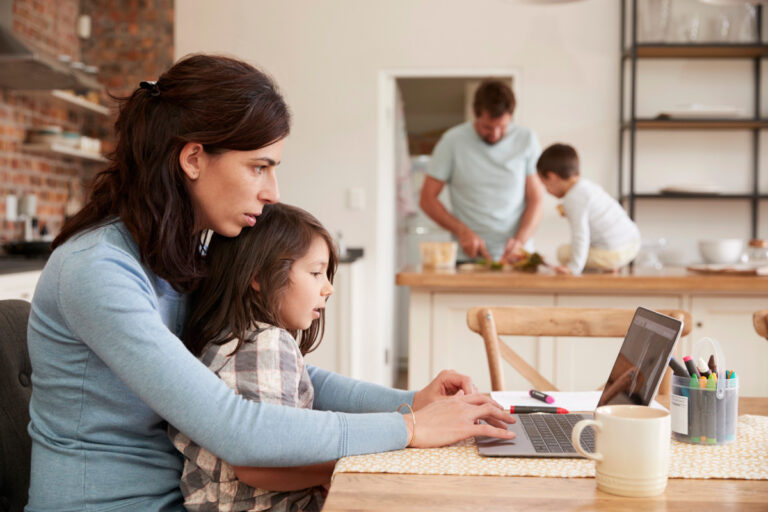
It is possible for dogs and kids to form great connections as long as their everyday interaction is enhanced through good habits. Creating a pleasant home environment is not just about love; there should be consistency. In addition to loving, dogs need to be on an easy schedule, have limits put in place, have enough rest, and enjoy positive experiences with the children in the house. Likewise, children need to be taught how to handle animals well. Some basic habits such as feeding, exercising, playing, grooming, and taking some time off will work in making sure that all is well in the home.
Maintain A Consistent Routine
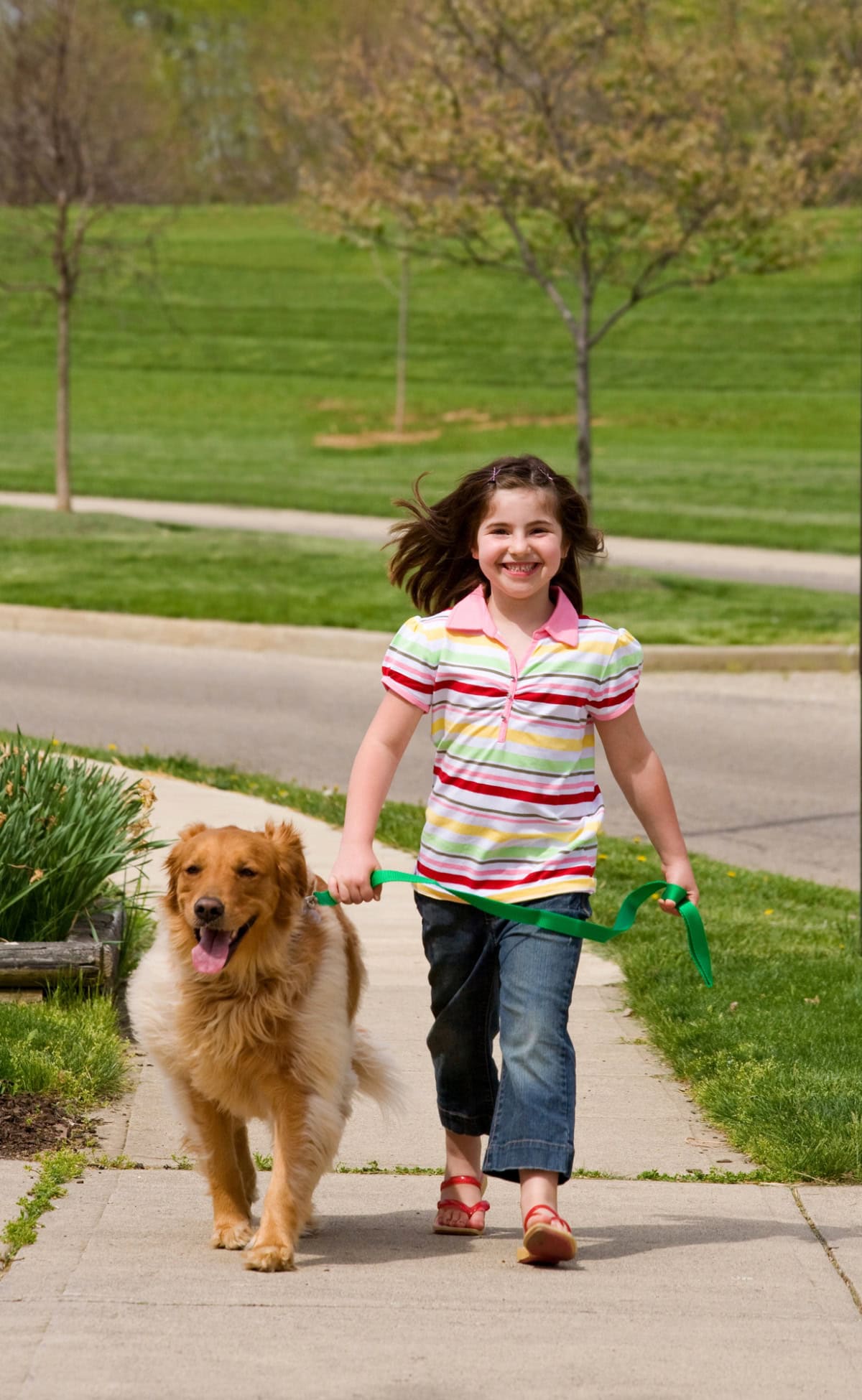
Having a regular schedule will make the dog feel at ease within a chaotic house. Eating, walking, potty breaks, playing, and rest give dogs a sense of how the day will go. Thus, it can be helpful when children have different schedules for classes, extracurricular activities, and homework. If basic elements of the daily routine of a dog remain unchanged, then the animal will probably not face much difficulty adapting to activity in the household.
In addition, children will see that a dog has its schedule too. For example, a kid will want to play as soon as he/she gets back home from school, but the dog may need some time to become calmer. This will teach kids patience. Besides, with a consistent routine, it will be easier for parents to notice any changes in the appetite, level of activity, potty habits or behavior of the dog.
Create Safe Spaces
Dogs need a place where they can take their rest undisturbed. It may be a crate, a bed, or some other place where there is not much movement in the house. Children should be aware that if a dog is taking its rest, it should not be disturbed. The reason why it is important to teach children not to disturb the dog is that even if a dog is friendly, it gets irritated when approached many times while it is taking its rest. Allowing the dogs to have the freedom to rest will minimize the stress of the dogs.
The resting place for the dog can teach children about giving personal space to an animal. Parents can teach children that dogs do not always indicate if they are irritated. For example, the parent can teach the children not to climb onto the dog, pull it, or follow it. The child can be taught to let the dog come to him/her.
Encourage Gentle Interaction
Children might show their affection by hugging, touching, or holding animals; however, dogs might not necessarily appreciate this kind of attention. Parents need to train their kids how to act around dogs by moving slowly, quietly, and gently. Moreover, children need to understand that they should not disturb dogs when they eat, sleep, chew an appropriate toy, or take care of puppies. Thus, supervised encounters with animals offer parents a chance to encourage such behavior. The calm and quiet communication will help to make playing together much more enjoyable.
First of all, the activity has to be appropriate for the dog depending on its size, age, nature, and energy. For example, some dogs like to fetch balls; others love playing more gently or just for short periods of time. Parents have to direct their children towards such kinds of activities that do not include running, wrestling with animals, or taking objects out of the mouths of dogs. If dogs look scared, attempt to run away, freeze, or show any other signs of nervousness, one has to stop interaction right away.
Provide Balanced Nutrition
Feeding schedules are yet another critical aspect to make sure that a dog feels at ease in the presence of children. It is essential to feed the dog based on its nutrition needs with proper portions and availability of drinking water. The best dog food that is suitable for the family depends on several factors: the age, weight, activity level, and other requirements of the dog rather than on the popularity of the food. An adult person should be in charge of the feeding process, particularly if children are quite young, in order to make sure that portions and composition are suitable.
It does not mean, however, that children cannot be involved in feeding procedures. For instance, an older child may measure food while the adult will watch the portions and deal with the requirements. It is necessary to create different feeding areas for different pets. If there is a cat in the house, it is essential to choose the best cat food in accordance with its needs and feed pets separately.
Make Exercise A Family Habit
Proper exercises have both physical and emotional benefits for dogs as well as providing a constructive activity for kids to engage in the care of a pet. Depending on a dog’s particular requirements, these activities might include walks, playing under supervision, fetching balls, running around in the yard. There are some tasks which children might do together with an adult, but one cannot expect a kid to look after a pet by himself. The main idea is to involve children in a regular activity without imposing tasks that are out of their reach.
It is also important to provide a dog with sufficient rest periods. After active playtime with kids, a dog should be given some peace and silence. Parents should explain to children that being tired does not mean that a dog is bored or does not want to play anymore. This is a normal procedure for retaining enough energy and feeling comfortable. It is important to coordinate activity with a dog’s individual needs.
Practice Calm Grooming
Another chance to teach your dog or child to remain calm can be offered by routine grooming. Grooming activities like brushing, washing, cutting the nails, and other procedures need to be done in accordance with the needs of the dog and his personality. A child can watch this activity or perform some of its steps with strict guidance from adults. It is very important to teach children how to handle the dog without pulling the fur, ears, tail, or collar. In case the dog feels anxious during the grooming procedure, an adult needs to continue the procedure or stop it.
Grooming allows a family to get acquainted with the normal appearance and behavior of the dog. During grooming a person can find out that the dog has something strange or unusual like lumps on the body, irritated skin, damage nails, or sensitive spots. These symptoms may not always indicate a health problem, but you can discuss them with a veterinarian if needed.
Teach Children Consistent Boundaries
A child would appreciate having guidelines that he/she can follow every day instead of being told what to do in each particular situation. Rules about how to approach the dog, feed him/her, play with toys, and treat his/her rest places should be stated in simple terms for the child. Moreover, adults themselves should serve as a positive example to the children.
It is especially important that there should be consistency during situations when children become excited. Rushing to the dog, screaming at him/her, and surrounding can frighten the animal despite all their intentions to just play. It will help the children learn how to behave in an appropriate way. Such principles should be established even if the dog never behaved aggressively with them because it will contribute to making things less stressful for everybody.
No elaborate procedures are needed to ensure dogs’ happiness and comfort around children. Dogs can benefit from simple things like regular feeding, proper exercise, adequate sleep, gentle handling, grooming, and setting clear boundaries. Children can be included in these practices under supervision, in ways appropriate to their age. It would be easy to create a better understanding in children about the needs, likes, dislikes, and boundaries of dogs which will lead to better interactions as well as better relationships.

- The Seamless Look: How to Choose the Right Brick-In Letterbox for Your Home - October 22, 2026
- Who Is Liable for a Slip and Fall? - October 22, 2026
- 5 Cuddly Breeds Like the Cavapoo That Make Family Life Even Sweeter - October 22, 2026