That little drip from the kitchen faucet or the overgrown bushes you see every time you pull into the driveway can feel like a constant, low-level hum of stress. Homeownership is wonderful, but the never-ending to-do list can easily become overwhelming. Instead of letting small tasks pile up into major headaches, you can look at things differently. A few simple strategies can transform home maintenance from a source of anxiety into a manageable and even satisfying part of caring for your space. It’s not about doing everything at once; it’s about creating a system that works for you and your home.
Create a Seasonal Maintenance Calendar
Ever notice how home maintenance often feels like you’re just reacting to problems, instead of having a plan? It’s like you’re constantly putting out fires instead of preventing them. A seasonal maintenance calendar flips that script by turning upkeep into a proactive routine. Instead of a giant, intimidating list, you’ll have a handful of tasks assigned to each season, making the workload feel much lighter. This approach helps you stay ahead of potential problems, which often saves you money and time in the long run. Think of it as a set of maintenance habits that keep a home looking younger.
For example, your spring checklist might include cleaning gutters and downspouts after the last of the winter debris has fallen, inspecting your roof for any damage from winter storms, checking your air conditioning system before the first heatwave hits, and power washing your deck and siding.
In the fall, your focus would shift to preparing for colder weather: draining and storing garden hoses, having your furnace inspected and serviced, checking windows and doors for drafts and sealing any gaps, and raking leaves and preparing your lawn for winter.
The key is to tailor the calendar to your home’s specific needs and your climate. Use a digital calendar with reminders, a dedicated planner, or even just a simple spreadsheet. Breaking down the year makes the work feel predictable and much less daunting.
Know When to DIY and When to Call a Pro
The do-it-yourself spirit is admirable, and tackling a project yourself can be incredibly rewarding. Many easy maintenance tasks like changing air filters, painting a room, or fixing a running toilet are well within the average homeowner’s skill set. Successfully completing these jobs not only saves you money but also builds your confidence and knowledge about your own home. However, it’s just as important to recognize your limits. Taking on a project that is too complex or dangerous can lead to costly mistakes, personal injury, and a whole lot of stress.
Before you start any project, ask yourself a few questions: Do I have the right tools and knowledge for this job? What are the risks if I do this incorrectly? (e.g., electrical shock, major water damage) How much time will this realistically take?
For tasks involving electrical systems, major plumbing, structural changes, or roofing, it’s almost always best to hire a professional. The risk of error is simply too high. When you decide to hire someone, the challenge becomes finding a reliable expert you can trust. Instead of spending hours scrolling through unverified reviews, you can use a service to find trusted local contractors and professionals who have already been vetted. This eliminates the guesswork and ensures you’re working with someone who is qualified, insured, and has a track record of quality work. Knowing you have a reliable expert for the big jobs frees you up to handle the smaller tasks without pressure.

Break Down Big Projects into Smaller Steps
Staring at a huge project, like remodeling a bathroom or finishing a basement, can cause instant analysis paralysis. The sheer scale of the task can make it feel impossible to even start. The secret to tackling these big-ticket items without feeling the overwhelm of home maintenance is to break them down into a series of small, manageable steps. This project management approach turns a mountain into a series of small, climbable hills.
Let’s say you want to repaint your living room. Instead of thinking “I need to repaint the whole room,” break it down like this:
- Week 1: Choose and buy the paint color and supplies (tape, rollers, brushes, drop cloths).
- Week 2 (Friday night): Move furniture away from the walls and cover it.
- Week 2 (Saturday): Tape off the trim and patch any small holes in the walls.
- Week 2 (Sunday): Apply the first coat of paint.
- Week 3: Apply the second coat and remove the tape.
Each of these steps is a small, achievable goal. Checking them off your list provides a sense of accomplishment that fuels you to keep going. This method works for almost any large project, from organizing the garage to landscaping the backyard. By focusing on just the next small step, you avoid getting bogged down by the big picture and can make steady, stress-free progress.
Build a Home Maintenance Toolkit
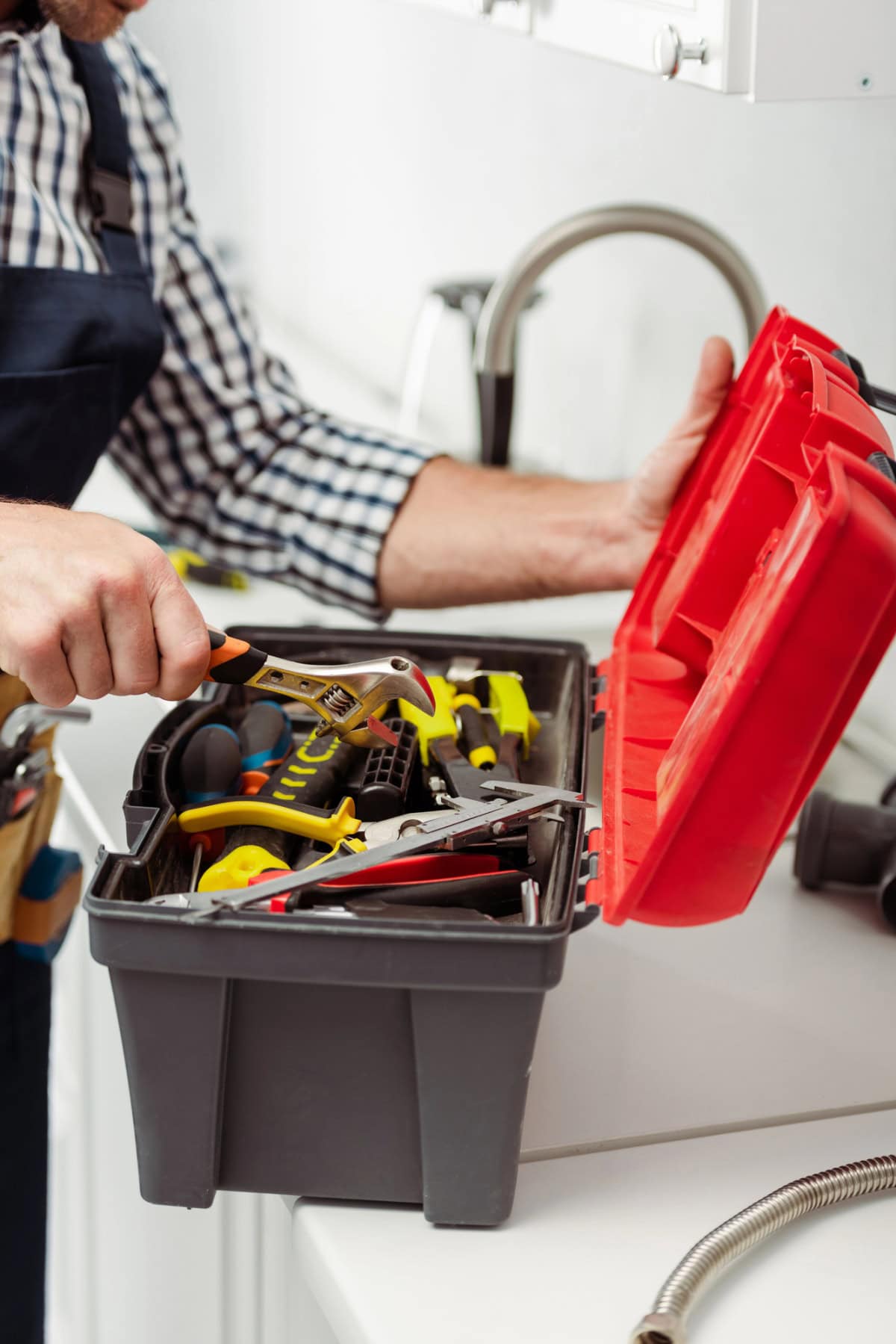
There’s nothing more frustrating than being ready to tackle a small repair only to realize you don’t have the right tool. A simple five-minute fix can turn into an hour-long ordeal involving a trip to the hardware store. Having a well-stocked but basic home maintenance toolkit is one of the simplest ways to make home maintenance easier and reduce friction. You don’t need a professional-grade workshop; a simple toolbox with a few essentials will cover the vast majority of everyday fixes.
A great starter toolkit should include a claw hammer, a set of screwdrivers (both Phillips head and flathead), a tape measure, pliers (both standard and needle-nose), an adjustable wrench, a utility knife, a level, and a cordless drill with a basic set of bits.
Keep everything in one designated spot, like a toolbox in a closet or a dedicated drawer in the garage. This way, you always know where to find what you need. As you become more comfortable with DIY tasks, you can gradually add more specialized tools to your collection. Having the right tool on hand empowers you to deal with small issues as soon as they arise, preventing them from escalating and adding to your mental load.
Use Technology to Your Advantage
Modern technology offers some fantastic solutions for simplifying home maintenance. Smart home devices, in particular, can act as an early warning system, alerting you to problems before they become disasters. This proactive monitoring can provide significant reassurance and help you catch issues when they are small and easy to fix.
For instance, smart water leak detectors can be placed under sinks, behind toilets, or near a water heater. If they sense moisture, they’ll send an alert directly to your phone, allowing you to address a small leak before it causes thousands of dollars in water damage. Similarly, smart smoke and carbon monoxide detectors not only sound an alarm but can also notify you on your phone if you’re away from home. Other useful tech includes smart thermostats that can signal when your HVAC system needs a filter change and app-based reminders for your seasonal maintenance tasks. You can set recurring alerts for everything from cleaning the gutters to testing your sump pump. Using these tools helps automate your vigilance, taking some of the mental burden of home maintenance off your shoulders.
Caring for a home doesn’t have to be a constant source of worry. By creating a simple schedule, knowing who to call for help, and having the right tools ready, you can stay on top of upkeep without the stress. Start by picking just one of these ideas to implement this week.

- Simple Ways to Make Home Maintenance Less Stressful - September 15, 2026
- Bathroom Flooring Ideas That Balance Style and Practicality - September 15, 2026
- Red Light Spa Near Me vs. At-Home Red Light Panel: Which Is Better? - September 15, 2026