Though commonly called the heart of the home, the kitchen can quickly become a source of frustration when everyday tasks feel inefficient. Limited counter space, cluttered cabinets, and poorly organized work areas can make meal preparation more stressful than it needs to be. Fortunately, improving the functionality of a kitchen doesn't always require a complete renovation. Thoughtful adjustments can dramatically enhance convenience, organization, and flow while preserving both time and budget. Let’s find out how below.
Create Dedicated Activity Zones
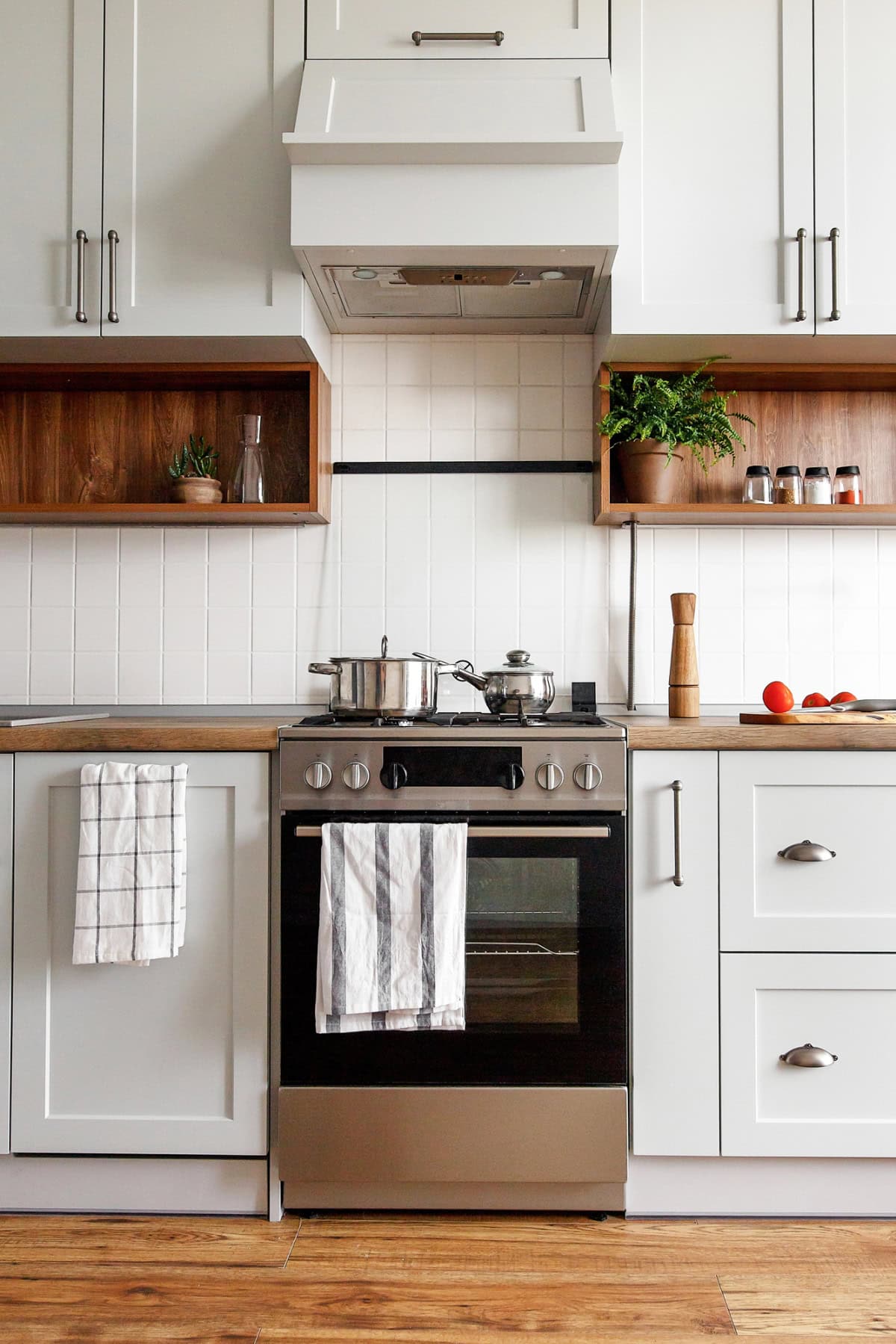
One of the most effective ways to improve functionality is to organize the space around specific activities. Professional kitchen designers often rely on zoning principles because they reduce unnecessary movement and make everyday tasks more efficient.
Consider grouping items according to how they are used. Store cooking utensils near the stove, place baking supplies together, and keep food storage containers close to the refrigerator. When every activity has a designated area, family members can navigate the kitchen more easily without disrupting one another.
Maximize Vertical Storage Opportunities
Many kitchens contain untapped storage potential simply because vertical space is underutilized. Walls, cabinet interiors, and even the sides of appliances can serve practical purposes when approached creatively.
Install wall-mounted shelves for frequently used items, add hooks beneath cabinets for mugs, or use magnetic strips to store knives and metal utensils safely. Cabinet door organizers can hold measuring spoons, cutting boards, and cleaning supplies while keeping valuable shelf space available.
Improve Countertop Efficiency
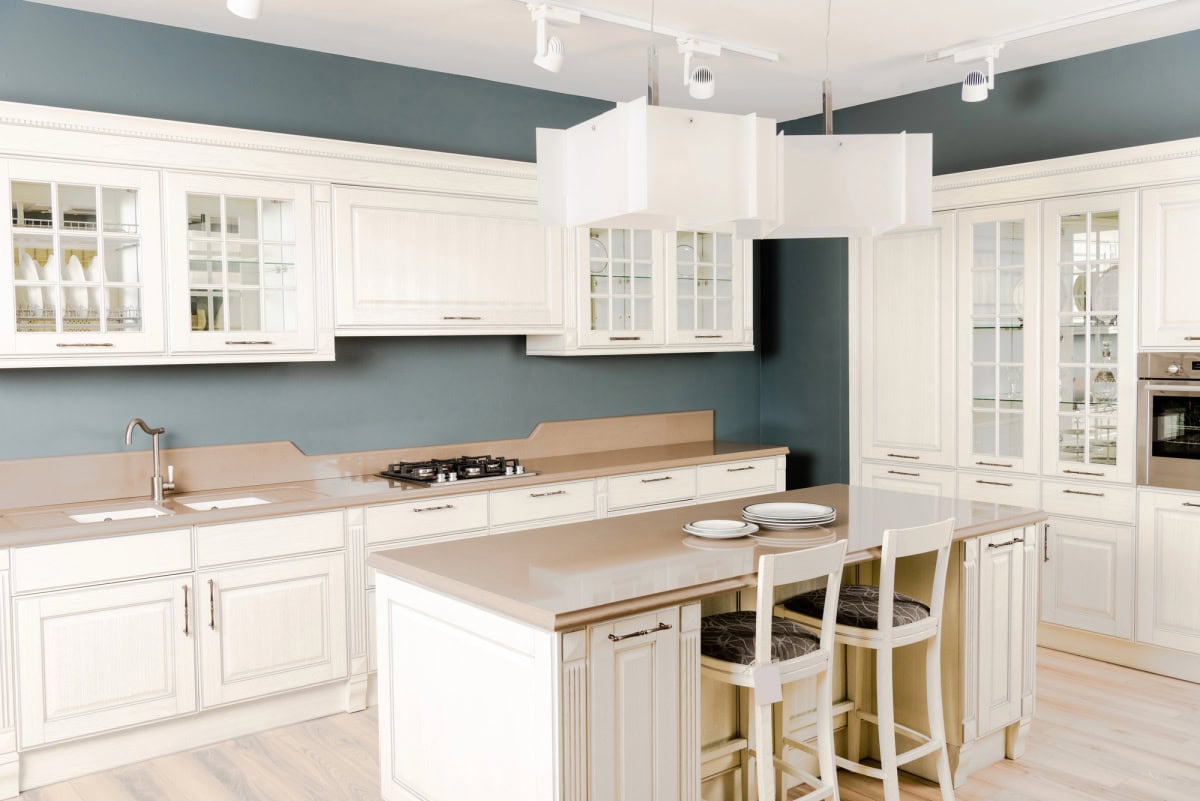
Countertops play a crucial role in kitchen functionality, yet they often become storage areas for items that belong elsewhere. Small appliances, decorative objects, and miscellaneous household items can gradually consume valuable workspace. Always evaluate which items genuinely deserve permanent placement on the counter.
Creating clear work surfaces provides more room for meal preparation and makes the entire kitchen feel larger and more organized. Interestingly, many homeowners discover significant improvements through organization updates alone after researching the cost of kitchen remodel and realizing that smarter use of existing space can often deliver meaningful results before a major construction.
Upgrade Lighting for Better Functionality
Lighting is frequently overlooked when discussing kitchen performance, yet it includes everything from food preparation to safety. A well-lit kitchen feels more inviting while supporting efficient daily activities. Under-cabinet lighting can illuminate work surfaces, reducing shadows that make chopping and cooking more difficult.
Replacing outdated fixtures with brighter, energy-efficient options can also improve visibility throughout the room. On the other hand, layered lighting works particularly well in family kitchens. Combining ambient, task, and accent lighting creates flexibility for different kitchen activities.
Rethink Drawer and Cabinet Organization
A functional kitchen depends as much on what happens in cabinet doors as it does on visible surfaces. Poorly organized storage areas often create daily frustrations that accumulate over time. Drawer dividers, adjustable risers, pull-out organizers, and clear storage bins can significantly improve accessibility. Rather than stacking items where they become difficult to reach, these tools allow every object to have a designated place.
Endnote
Creating a more functional kitchen does not require tearing down walls or investing in a complete renovation. Strategic improvements focused on organization, storage, lighting, and workflow can dramatically enhance how the space performs on a daily basis.

- How to Plan a Great Birthday Party - June 8, 2026
- How to Help Your Child Prepare for School Exams - June 8, 2026
- How to Make Your Kitchen More Functional Without Major Changes - June 8, 2026