Have you ever wondered whether your intelligence is something you're born with or if it can be developed? In some cases, your intelligence is directly tied to your genetic makeup, such as if you are born with a mental disability. However, for the most part, intelligence isn't fixed; it can be cultivated and improved over time. Modern neuroscience shows us that your brain is adaptable and capable of growth at any age and at any place. The way you think, learn, move, eat, and rest can physically remodel your brain. That means getting smarter isn’t about being naturally gifted; it’s about creating habits that support brain health and mental agility. Improving your intelligence is possible!
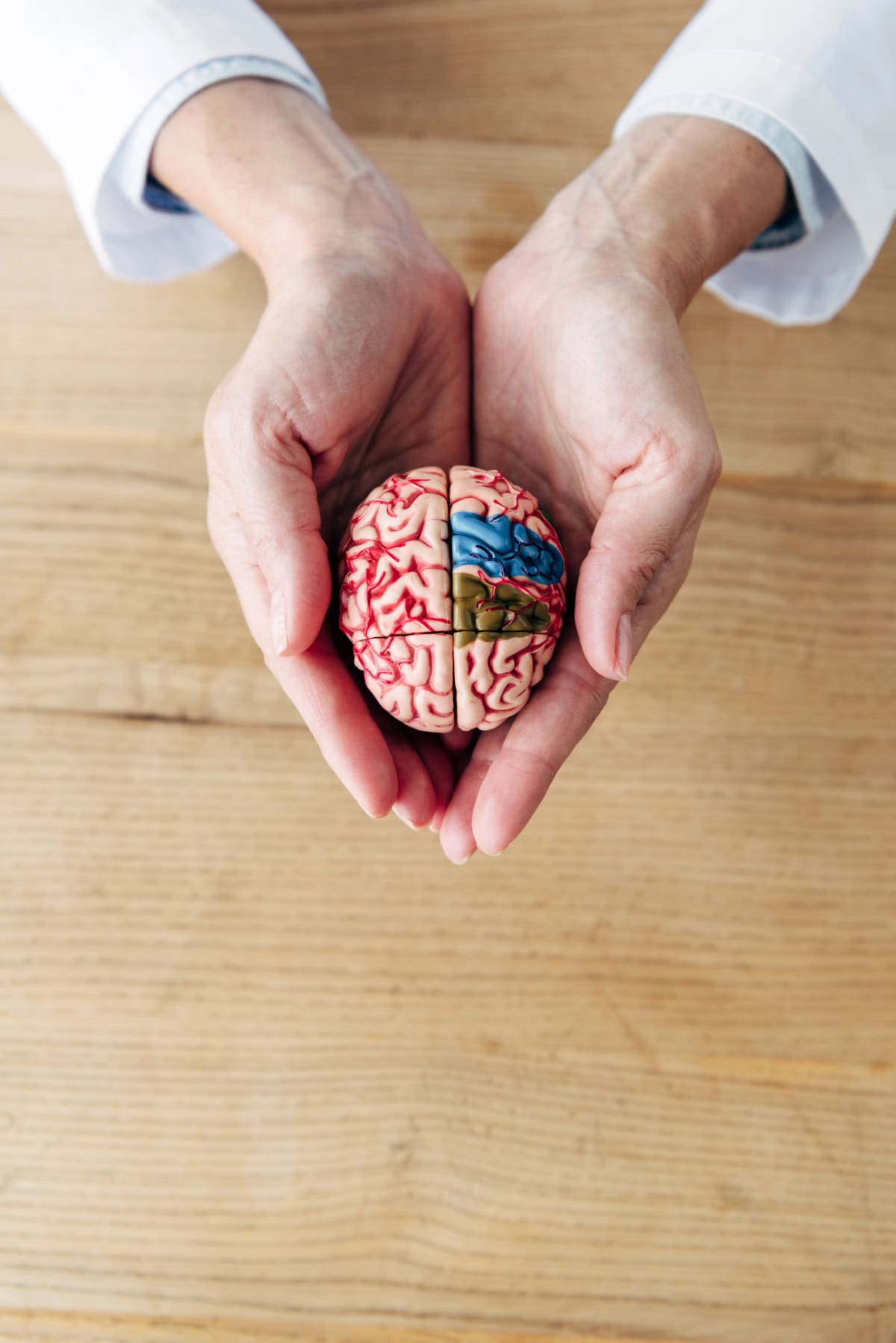
Understanding Intelligence
Intelligence isn’t just about scoring high on an IQ test. It’s a combination of different abilities, including fluid intelligence (solving new problems), crystallised intelligence (knowledge gained over time), emotional intelligence (how well you understand yourself and others), and social intelligence (navigating human interactions).
These different forms of smarts are shaped by both nature and nurture. Yes, genetics plays a role, but your environment, habits, and experiences also matter a lot more than you think.
Key Principles for Boosting Intelligence
a. Cultivate Curiosity and Lifelong Learning
Curious people tend to get smarter over time. That’s because curiosity fuels exploration and deep learning. Read across genres, explore unfamiliar subjects, and ask more “why” and “how” questions. Discomfort is part of growth; lean into it. Try deliberate practice, which involves working on weaknesses, rather than coasting through strengths.
b. Train Your Working Memory
Your working memory is like your brain’s scratchpad; boost it, and your mental capacity develops. Try memory games or apps designed for cognitive training, but use them consistently and thoughtfully. Practice mental math, challenge yourself with recall exercises, or learn a new language or instrument, activities that stretch memory and focus.
c. Engage in Physical Exercise
Exercise isn’t just good for your body, it’s rocket fuel for your brain. Cardio boosts levels of BDNF (brain-derived neurotrophic factor), a protein that supports learning, memory, and neuroplasticity. Regular movement helps your brain build new connections and perform more efficiently. Walking, swimming, or dancing all count. Physical activity also improves mood, energy, and focus, all crucial for clear thinking. Just 20–30 minutes of daily activity can make a significant cognitive difference.
d. Sleep, Rest, and Brain Recovery
If you’re not sleeping well, your brain isn’t operating at full power. Deep sleep is where your brain files memories, clears out waste, and resets for sharper focus. Without it, thinking slows down. Short power naps (10–20 minutes) taken during the day can also improve concentration and problem-solving skills. Think of rest as essential maintenance, not laziness.
e. Eat for Brain Health
What you eat affects how you think. Omega-3s (from fish or flax), antioxidants (berries, leafy greens), and plenty of water help your brain fire on all cylinders. On the other hand, ultra-processed foods and sugar can cloud your thinking and deplete your energy. The gut-brain axis means that your digestion impacts your mood and cognition, so feeding your gut well also nourishes your brain.
f. Build Emotional Intelligence
Being smart isn’t just about logic; it’s also about self-awareness, empathy, and emotional regulation. These skills shape how we make decisions, solve problems, and relate to others. You can build emotional intelligence through mindfulness, journaling, and reflecting on feedback. Understanding your emotions and learning how to manage them helps you think more clearly under pressure and connect better with others.
g. Challenge Yourself with Novelty
Novel experiences wake up your brain. Travel to a new place, learn a hobby, tackle puzzles, anything that breaks routine and stimulates new neural pathways. Even switching up your daily habits, like taking a new route or writing with your non-dominant hand, can keep your brain on its toes. Novelty drives neuroplasticity by forcing your mind to adapt. The more you expose yourself to unfamiliar situations, the more mentally flexible and intelligent you become.
h. Develop a Growth Mindset
One of the most powerful tools for becoming smarter is believing you can. A growth mindset, a term coined by psychologist Carol Dweck, means viewing intelligence as something you build, not something you’re born with. Embrace challenges, educate yourself through the array of online courses like MSN NE (Master of Science in Nursing: Nurse Educator), and reframe failures as valuable feedback. Each mistake is an opportunity to grow. People with a growth mindset tend to achieve more because they’re not afraid to try, fail, and try again. And that’s how real learning happens.

Habits and Routines of Smart Thinkers
People who keep growing their intelligence usually have one thing in common: consistent habits. They read daily, not just headlines, but books that stretch their thinking. They carve out time to reflect, through journaling or quiet walks, so they’re not just reacting but truly processing. Mindless scrolling is limited, and they choose to prioritize thinking over consumption. Many also embrace boredom because it sparks creativity.
They embrace learning, whether that’s taking a course, joining a group, or earning a new qualification that expands both career opportunities and mental challenges.
Action Plan: Start Nurturing Your Mind Today
Ready to get started? Here are some simple, actionable tips to nurture your mind:
- Start a curiosity journal: Write down questions and topics you want to explore.
- Move your body for at least 20 minutes daily: It can be a brisk walk or any activity you enjoy.
- Replace 10 minutes of scrolling with 10 pages of reading: Focus on a book or article that interests you.
- Practice deep breathing or meditation daily: This can help improve your focus and emotional regulation.
- Set a goal to learn something new: It could be a language, art, or even cooking.
- Evaluate your diet: Add brain-boosting food into your meals.
The exciting takeaway from all this? Intelligence is not a fixed trait; it can be nurtured and developed through intentional effort. Embrace the journey of discovering new skills, challenging your mind, and nurturing your emotional well-being. Experiment with different strategies, be kind to yourself along the way, and remember that progress takes time. The path to a sharper mind is filled with opportunities for growth and exploration. So, what will you do today to grow your mind?
Be sure to check out these other articles while you are here:
- Managing Your Health is Easy: Here's How
- Living a Happier Life: Tips to Use
- Common Questions About Hearing Loss Answered

- Turning a House Into a Home: Small Changes That Make a Big Difference - July 27, 2026
- How to Support a Child After an Autism Diagnosis - July 27, 2026
- How International Schools Support Students Beyond Academics - July 27, 2026