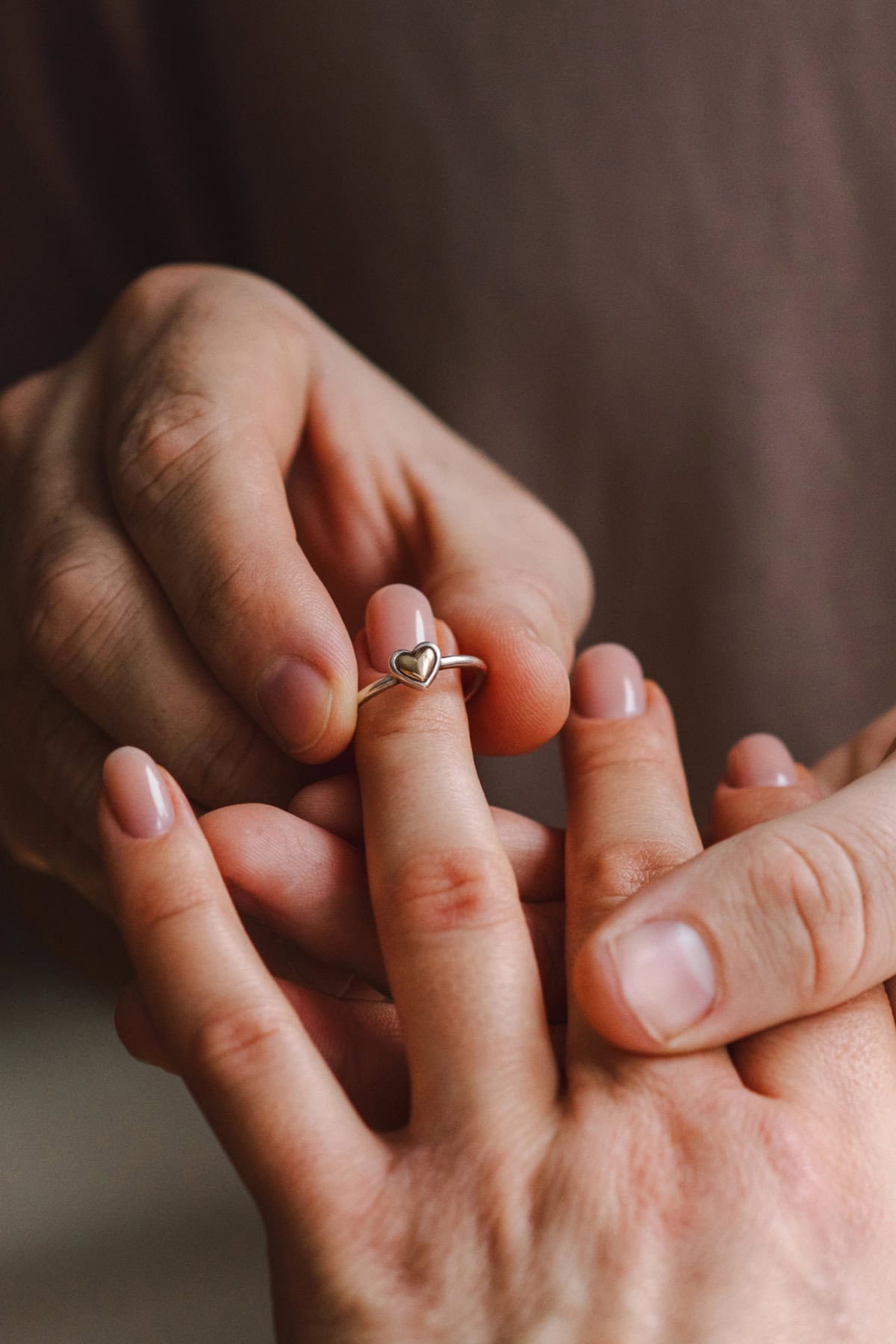
A promise ring carries a meaning that extends beyond its physical appearance. It represents a commitment between two people who want to acknowledge the importance of their relationship through something tangible. Unlike engagement rings, which traditionally communicate an intention to marry, promise rings allow couples to define commitment according to their circumstances and expectations. Some exchange them to celebrate loyalty, while others use them to recognize personal milestones, shared ambitions, or a significant chapter in their relationship. Matching promise rings strengthen this expression by giving both individuals a symbol of the same understanding. Their value comes not from following a particular tradition but from representing an agreement that matters to the people involved. When color and nature become part of the design, these rings can communicate personal experiences and emotional connections in ways that conventional jewelry may not.
The appeal of matching promise rings often lies in the relationship between personal identity and shared meaning. Every couple develops a history shaped by ordinary experiences, important decisions, and moments that gradually become significant. A particular landscape might remind two people of their first vacation together, while a favorite color could recall an occasion that changed their relationship. Incorporating these associations into jewelry allows familiar visual elements to take on a deeper meaning. A ring decorated with leaves might represent a relationship that has grown through different stages, while a moon-inspired design could commemorate meaningful evenings spent together. These details make the jewelry distinctive without requiring elaborate explanations or expensive materials. The strongest designs often reflect something that both partners recognize immediately, even when its significance remains private.
This emphasis on personal meaning also changes how couples approach the idea of matching jewelry. Traditionally coordinated rings often feature identical metals, similar proportions, and relatively simple decorative details. Such designs remain popular because they provide a clear visual connection, but they are not the only way to symbolize unity. One partner may prefer bold colors and unusual textures, while the other gravitates toward understated patterns and darker finishes. Rather than treating these differences as obstacles, complementary designs can incorporate them into a cohesive pair. The resulting rings communicate a shared commitment while preserving the preferences that make each individual distinct. This balance between individuality and connection is particularly important when the rings are intended to become part of everyday life.
How Color Creates an Emotional Connection Between Two Rings
Color plays an important role in how jewelry communicates meaning, particularly when two pieces are designed to complement each other. Certain colors carry widely recognized emotional associations, although their interpretations vary across cultures and personal experiences. Red frequently evokes passion, affection, and emotional intensity, while blue is often connected with tranquility, loyalty, and stability. Green may suggest renewal, harmony, or growth, making it a natural choice for couples who associate their relationship with personal development. Purple can convey individuality and imagination, while black may represent strength, sophistication, or a preference for unconventional design. These associations provide a starting point, but they should not determine how a couple interprets its jewelry. A color becomes more significant when it connects directly to a shared memory or a value that both partners consider important.
The relationship between different colors can be just as expressive as the individual shades themselves. A combination of black and red creates a striking contrast, bringing together visual restraint and intensity within a coordinated design. Blue gemstones set against silver-toned metal can evoke the appearance of moonlight reflecting on water, producing a softer and more understated effect. Green stones surrounded by warm gold tones may resemble sunlight passing through foliage, creating a visual connection to natural landscapes. These combinations allow jewelry designers to establish a shared identity across rings that differ in shape, width, and decorative detail. They also provide an opportunity for couples to select colors that complement their individual styles rather than requiring identical appearances. When chosen thoughtfully, contrasting shades can communicate the idea that different personalities contribute to a balanced relationship.
Color also affects how a ring looks under different lighting conditions, which makes gemstone selection an important practical consideration. A deep red stone may appear vibrant in direct sunlight but reveal darker tones under indoor lighting. Certain gemstones display variations in color or visual effects because of their composition and the way light interacts with their internal structure. The surrounding metal can further influence perception, with polished silver creating a brighter appearance and black finishes emphasizing contrast. Gemstone size, cut, and placement also determine how prominently a color appears in the overall design. Couples should therefore consider how a ring looks in ordinary lighting rather than relying exclusively on carefully illuminated product photographs. A color that remains appealing in everyday settings is more likely to provide lasting satisfaction, particularly when the ring is worn regularly.
How Nature-Inspired Motifs Transform Jewelry Into a Personal Story
Nature has provided inspiration for jewelry design for centuries, largely because its forms are familiar and open to personal interpretation. Leaves, flowers, branches, mountains, stars, and crescent moons can communicate ideas that are difficult to express through conventional decorative patterns. A leaf might suggest renewal or the gradual development of a relationship, while intertwined branches can evoke two separate lives growing in a shared direction. Mountains may symbolize perseverance, particularly for couples who have navigated difficult circumstances together. Flowing water patterns can suggest adaptability, reflecting the adjustments that often accompany long-term commitment. Celestial imagery introduces associations with continuity, changing seasons, and the passage of time. These elements become especially compelling when the couple has a personal connection to the landscapes or experiences they represent.
Nature-inspired details can give matching promise rings shared meaning without making the pieces identical. Designers often bring together botanical patterns, celestial motifs, and complementary colors to connect distinct styles. This approach allows couples to express a common commitment while respecting individual preferences. Foreverings, a jewelry brand focused on meaningful relationship designs, illustrates this balance through its coordinated promise rings for couples. One example is this dark-toned crescent moon and leaf ring set for couples, where red rhodolite accents stand out against botanical and lunar details. The leaves may evoke growth, while the crescent moon suggests change and continuity, giving the pairing a story beyond its appearance. Together, these elements establish a visual connection without requiring either ring to mirror the other. For partners who associate colors and natural imagery with shared memories, thoughtful details can turn everyday jewelry into a reminder of their personal history.
Beyond their visual coordination, these natural motifs gain lasting significance through the specific memories couples associate with them. A floral pattern may have special meaning for partners who first met in a garden or celebrated an anniversary surrounded by flowers. A winding vine could represent a relationship that developed gradually, while a crescent moon might recall a meaningful conversation beneath the night sky. These interpretations do not need to be universally understood to carry emotional value. In fact, a design can become more personal when its meaning remains largely between the two people wearing it. The connection may also deepen over time as new memories become associated with the same imagery. When nature-inspired elements are selected with intention, matching promise rings become small visual records of a relationship’s history and development.
Why Complementary Designs Can Be More Meaningful Than Identical Rings
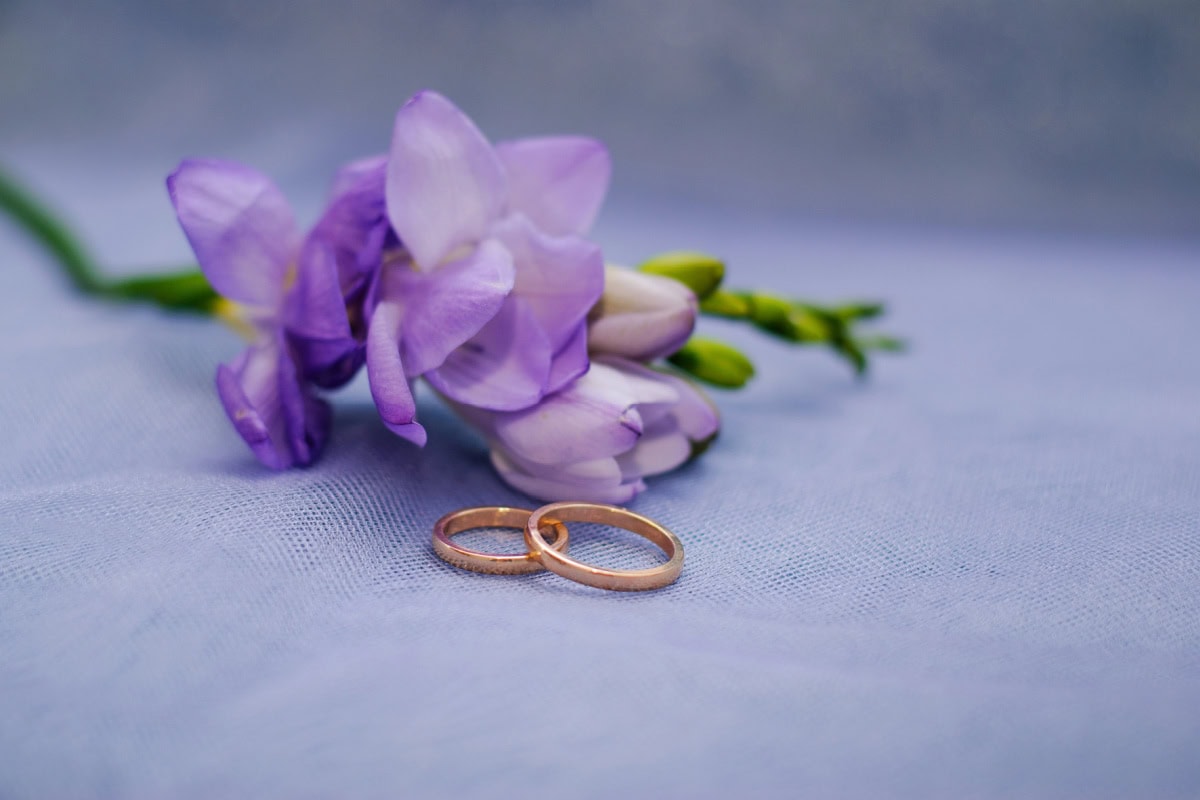
Matching promise rings do not need to look identical to communicate a shared commitment. Although identical bands create an immediate visual connection, they can also limit the freedom each person has to express individual taste. Couples may differ considerably in their preferences for gemstones, metal finishes, decorative patterns, and ring proportions. One partner might appreciate a slender band with a colorful center stone, while the other prefers a substantial ring with a textured surface. Attempting to make both pieces identical can require compromises that diminish their appeal to the people who will wear them. Complementary designs offer a different approach by coordinating selected visual features while allowing variation elsewhere. This creates a shared aesthetic that acknowledges individuality rather than concealing it.
The most successful complementary designs establish a recognizable connection through a small number of carefully chosen elements. Two rings might share the same gemstone color but use different settings or incorporate related botanical patterns in contrasting proportions. A ring with an elaborate leaf motif could coordinate with a simpler band featuring a narrow green inlay. Similarly, a crescent-shaped detail on one ring might be echoed through subtle curves or engraved patterns on the other. Metal finishes can reinforce this connection, particularly when both pieces use similar dark, silver, or warm-toned surfaces. The objective is to create enough consistency for the jewelry to feel related without making one design subordinate to the other. This balance can be more expressive than identical rings because it allows both partners to participate equally in the design decision.
Practical considerations also support the appeal of complementary promise rings. Someone who works with machinery, tools, or equipment may prefer a low-profile band with minimal protruding details. Another person whose daily routine involves fewer physical demands may be comfortable wearing a raised gemstone setting or a more intricate design. Ring width, weight, and surface texture can all affect comfort during extended wear. Partners may also have different expectations regarding how jewelry should coordinate with professional clothing or other accessories. Selecting complementary rather than identical rings allows each person to address those preferences while retaining a shared visual theme. The result is jewelry that represents the relationship without overlooking the individual requirements of the people involved.
Choosing Gemstones That Reflect Natural Beauty and Personal Meaning
Gemstones bring color, texture, and visual depth to promise rings, making them particularly useful for designs inspired by nature. Their appeal often comes from the way they resemble familiar elements of the physical world. Moss agate, for example, can contain green inclusions that resemble vegetation, branching forms, or miniature landscapes. Garnets are available in several colors, including rich red and purplish-red varieties that can introduce warmth and intensity. Blue sapphires may recall open water or clear evening skies, while certain green gemstones can evoke forests and botanical environments. Opals offer a different visual experience through their shifting flashes of color, which can resemble changing light across a natural landscape. These characteristics give couples opportunities to connect gemstone selection with places, memories, or emotional associations that matter to them.
The choice of gemstone should also account for durability, particularly when matching promise rings are intended for everyday wear. Different stones respond differently to scratching, impact, temperature changes, and chemical exposure. Sapphire is relatively resistant to scratching, while opal generally requires more careful handling because of its lower hardness and other material characteristics. Garnet and quartz varieties offer additional possibilities, although their suitability depends on the particular stone and setting. The Mohs hardness scale is useful for understanding scratch resistance, but it does not measure every aspect of durability. A gemstone can resist surface scratches yet remain vulnerable to chipping or cracking when subjected to a sharp impact. Couples should therefore consider how their daily activities might affect the stones rather than selecting solely on the basis of appearance.
Gemstone origin and treatment are additional considerations that can influence purchasing decisions. Natural gemstones form through geological processes, while laboratory-created stones are produced under controlled conditions and can share the chemical and physical properties of their natural counterparts. Simulated gemstones, by contrast, are materials used to imitate the appearance of another stone and may have different characteristics. Some natural gemstones also undergo treatments intended to improve their color or clarity. These distinctions do not necessarily determine whether a ring is attractive or meaningful, but they are important for understanding what is being purchased. Clear product descriptions should identify the materials and any relevant treatments so buyers can make informed comparisons. A thoughtful choice considers visual appeal, durability, authenticity of product information, and the personal symbolism attached to the gemstone.
The Role of Metal Finishes and Textures in Nature-Inspired Rings
Metal selection influences far more than the structural integrity of a promise ring. It determines the jewelry’s overall character, affects how gemstone colors appear, and contributes to comfort during regular wear. Sterling silver offers a bright surface that can work well with intricate botanical patterns and delicate settings. Yellow gold introduces warmth that may complement green gemstones or earth-inspired designs, while rose gold can create a softer contrast with floral details. White gold provides a different appearance, although certain alloys and surface treatments require periodic maintenance. Titanium is valued for its relatively light weight and resistance to corrosion, while tungsten carbide offers considerable resistance to everyday scratching. Each material has distinct advantages and limitations, making it important to match aesthetic preferences with practical requirements.
Surface texture provides another opportunity to create a connection between jewelry and natural forms. Hammered finishes can resemble uneven stone surfaces, while brushed metal may evoke the subdued appearance of weathered materials. Engraved lines can suggest tree bark, flowing water, or branching vegetation without relying on elaborate gemstone arrangements. Polished surfaces offer a contrasting effect by reflecting more light and emphasizing the clean outlines of a design. Combining different finishes can create depth, particularly when a smooth gemstone is placed against a darker or more textured band. These details also affect how noticeable everyday scratches and wear marks may become. Texture should therefore be evaluated as both a design feature and a practical characteristic of the finished ring.
Dark metal finishes have particular relevance for couples interested in dramatic color combinations or celestial themes. Black surfaces can establish strong contrast with red, blue, or green accents, making relatively small decorative elements more visually prominent. The effect can be especially noticeable in designs combining crescent moons, stars, or leaf patterns with colored gemstones. However, the appearance and longevity of a black finish depend on how it is produced. Plating and certain surface coatings can wear over time, exposing the underlying material and changing the ring’s appearance. Buyers should review material specifications and care instructions rather than assuming that all dark-colored rings perform similarly. Understanding these differences helps couples select jewelry that maintains an acceptable appearance while accommodating the realities of everyday use.
Turning Shared Memories Into Thoughtful Ring Details
Personalization becomes more meaningful when it begins with a specific relationship experience rather than an arbitrary decorative preference. Couples can identify places, occasions, and recurring themes that have shaped their connection. A memorable journey through mountain scenery might inspire a ring with textured surfaces or cool gemstone colors. A relationship closely associated with outdoor adventures could lead toward botanical patterns, green stones, or natural-looking inlays. Partners who often spend evenings together might prefer celestial imagery or darker combinations inspired by the night sky. The design does not need to reproduce a memory literally to communicate its significance. Often, a subtle reference to a shared experience creates a more enduring personal connection than an elaborate representation.
The process of choosing these details can also encourage meaningful conversations between partners. Each person may remember different aspects of the same event, revealing how individual perspectives contribute to their shared history. One partner might associate an important trip with a particular landscape, while the other remembers the colors of the sunset or the atmosphere of the evening. Bringing these interpretations together can produce a design that represents both experiences. Couples may discover that certain themes, such as renewal, resilience, or exploration, appear repeatedly throughout their relationship. Such themes can provide a coherent foundation for gemstone colors, natural motifs, and metal finishes. The selection process becomes an opportunity to identify what the relationship represents rather than simply choosing a visually appealing accessory.
Engraving offers another way to incorporate personal meaning without changing the exterior appearance of a ring. A meaningful date, short phrase, or set of geographic coordinates can create a private connection between the jewelry and an important occasion. Couples may choose complementary words that form a complete message when the rings are considered together. Others may prefer initials or a brief expression that reflects a promise they have discussed in advance. Engraving should be approached carefully because available space varies according to ring width, material, and construction. Some rings cannot be engraved easily, while personalized orders may be subject to different return or exchange policies. A restrained approach to customization can preserve the visual balance of the rings while ensuring the details carry lasting personal significance.
Balancing Emotional Appeal With Everyday Comfort and Durability
The emotional importance of matching promise rings can make it tempting to prioritize appearance over practical considerations. However, jewelry intended for frequent wear needs to be comfortable, appropriately sized, and compatible with the wearer’s routine. Raised gemstones, sharp decorative edges, and elaborate settings may require more attention than simple bands. Ring width can affect how a piece feels when the fingers bend, particularly during activities involving sustained hand movement. A wider band may also require different sizing considerations from a narrow ring, depending on its shape and interior construction. Comfort-fit designs can reduce pressure along the edges, although they do not eliminate the need for accurate measurements. Evaluating these details before purchasing helps prevent a meaningful gift from becoming inconvenient to wear.
Ring sizing deserves particular attention when buying jewelry for two people. Finger circumference can vary throughout the day because of temperature, physical activity, and temporary swelling. Measuring under consistent conditions and following the retailer’s sizing guidance can improve the likelihood of a suitable fit. Couples should also determine whether their preferred materials can be resized through conventional jewelry techniques. Many tungsten carbide rings cannot be resized, making replacement or exchange the usual alternative when the original size is incorrect. Personalized engraving may complicate exchanges because the ring has been modified for a specific buyer. Confirming policies in advance is particularly important when the rings are intended for an anniversary, birthday, or other occasion with a fixed date.
Long-term value depends on more than the price or initial appearance of the jewelry. Buyers should examine the metal composition, gemstone descriptions, setting construction, and any available information about manufacturing quality. A ring advertised as scratch-resistant may still be vulnerable to impact damage, while a durable metal may incorporate decorative elements that require additional care. Claims about hypoallergenic materials, ethical sourcing, or environmental responsibility should be considered in relation to the specific evidence provided. Warranty coverage can also vary substantially, particularly regarding plating wear, accidental damage, lost stones, and resizing. Comparing these details helps couples understand what ownership may involve after the purchase. The strongest decision combines emotional significance with realistic expectations about maintenance, longevity, and daily comfort.
Making the Promise Ring Exchange Part of the Story
The occasion on which matching promise rings are exchanged can become as meaningful as their design. Unlike engagement proposals, promise ring exchanges are not governed by a widely accepted set of traditions or expectations. Some couples prefer to mark anniversaries, birthdays, or the completion of an important shared milestone. Others may choose a private occasion that has no formal significance but feels appropriate for expressing their commitment. The setting can reinforce the symbolism of the rings when it relates to their colors or natural motifs. A quiet evening outdoors might complement celestial designs, while a familiar garden or wooded location could provide a meaningful backdrop for botanical patterns. What matters most is that both people understand the intention behind the exchange and feel comfortable with its significance.
A thoughtful presentation does not necessarily require an elaborate event or expensive arrangements. A location associated with a shared memory may have greater emotional value than an unfamiliar destination chosen primarily for its appearance. Couples who selected colors inspired by a meaningful landscape could return to that setting for the exchange. Others might incorporate a favorite activity, such as walking beside the water or watching the sunset together. These choices establish a connection between the physical design of the rings and the experience of receiving them. A handwritten note or brief explanation of the selected details can add meaning, particularly when one partner has taken the lead in choosing the jewelry. The most effective presentation allows the promise itself to remain central rather than becoming secondary to the surrounding occasion.
Communication is especially important because promise rings can represent different commitments to different people. One person may associate the exchange with long-term romantic intentions, while another understands it primarily as an expression of loyalty in the present. Discussing these expectations can prevent misunderstandings and give both partners an opportunity to define the promise together. The conversation may involve plans for the future, shared values, or commitments to support each other’s personal development. Couples can also decide whether the rings will be worn daily or reserved for particular occasions. Neither choice diminishes their significance, provided it reflects a mutual understanding. When the exchange combines a meaningful setting with clearly expressed intentions, the rings become reminders of both the occasion and the commitment established through it.
Caring for Nature-Inspired Promise Rings as the Relationship Evolves
Regular care helps preserve matching promise rings, particularly when they incorporate gemstones, textured surfaces, or intricate decorative patterns. Dirt, oils, and residue can accumulate around settings and engraved details, gradually affecting their appearance. Gentle cleaning may help restore their original character, but the appropriate method depends on the materials involved. Some gemstones tolerate mild soap and water, while others require greater caution because of their sensitivity to moisture, temperature, or chemical exposure. Abrasive cleaners can damage certain finishes, and ultrasonic cleaning may be unsuitable for vulnerable gemstones or particular construction methods. Rings with plated surfaces or decorative inlays may require additional care to avoid premature deterioration. Following material-specific guidance is generally more reliable than assuming that all jewelry can be cleaned in the same way.
Everyday habits also influence the condition of promise rings over time. Removing jewelry before activities involving heavy equipment, significant impact, or harsh chemicals can reduce the likelihood of avoidable damage. Certain physical activities may place pressure on ring settings or expose decorative surfaces to abrasive contact. Couples who wear their rings frequently should periodically inspect them for loose stones, worn coatings, and other signs of deterioration. Professional maintenance may be appropriate when a setting appears unstable or a ring develops structural damage. Proper storage can also prevent unnecessary contact with other jewelry, particularly pieces containing harder gemstones or abrasive surfaces. Caring for the rings is a practical way to preserve objects whose emotional value may increase with continued use.
The significance of matching promise rings can evolve alongside the relationship itself. A design originally chosen to commemorate an early milestone may eventually become associated with years of shared experiences, personal growth, and important decisions. The colors and natural patterns can acquire additional meaning as familiar places or symbols become connected to new memories. Some couples may continue wearing their promise rings after exchanging engagement or wedding jewelry, while others may preserve them as keepsakes from an earlier chapter. Neither approach changes the importance of the original commitment. The rings remain meaningful because of the intentions, conversations, and experiences associated with them. Their lasting value comes from the relationship they represent rather than the expectation that the jewelry must remain unchanged or permanently worn.
Why Color and Nature Give Matching Promise Rings Lasting Significance
The enduring appeal of matching promise rings comes from their ability to represent something personal through a relatively simple object. Color introduces emotional associations, while nature-inspired details provide recognizable imagery connected to growth, change, and continuity. Together, these elements allow jewelry to communicate experiences that may be difficult to summarize in words. A green gemstone might recall a favorite landscape, while a crescent moon could represent an evening that marked a turning point in a relationship. Contrasting finishes may reflect differences in personality, while complementary patterns emphasize the connection between the two wearers. These associations become more powerful when they are based on genuine memories rather than predetermined interpretations. The result is jewelry that feels distinctive because its meaning belongs to the couple rather than to the design alone.
The process of selecting matching rings can be valuable in its own right. Considering gemstones, colors, natural motifs, and individual preferences encourages couples to discuss how they understand their relationship. Those conversations may reveal shared priorities or memories that have acquired importance over time. Practical decisions about materials, comfort, and durability also reinforce the need to accommodate each person’s circumstances. A well-chosen pair does not require identical appearances or elaborate symbolism to communicate unity. It needs a thoughtful connection between the design and the commitment the couple wishes to express. When that connection is established, the rings can remain relevant even as circumstances, preferences, and relationships continue to change.
Ultimately, matching promise rings that tell a story through color and nature offer an alternative to jewelry chosen primarily for convention or appearance. Their appeal lies in combining personal symbolism with designs that can be worn and appreciated in everyday life. Leaves, moons, gemstones, and contrasting metals become meaningful when they refer to experiences that two people recognize as part of their shared history. Careful material selection and craftsmanship help ensure that the physical rings can continue serving that purpose over time. The most important feature, however, cannot be measured through gemstone size, metal purity, or decorative complexity. It is the understanding between the people who choose to wear them. A thoughtfully selected pair of promise rings becomes a lasting reminder that meaningful commitments are built through shared experiences, individual choices, and the willingness to grow together.

- Why Some Homes Feel Magical at Christmas (And Others Just Look Decorated) - October 21, 2026
- The Modern Mom’s Guide to Building a Sustainable Wellness Routine - October 21, 2026
- The Fall Fix-It List: 9 Small Home Repairs to Handle Before Winter - October 21, 2026