If you spend your days perfecting air fryer recipes, organizing family closets, and building a home that feels calm and put together, the last thing you want is a pest problem undoing all that work. A peaceful home depends on more than tidy shelves and a good dinner rotation. It also depends on what is happening behind your walls, under your sink, and along your baseboards. Many of the same households that carefully plan meals and budgets are surprised to learn they are making small, everyday mistakes that quietly invite pests inside.
Pest problems rarely show up out of nowhere. They build slowly, often starting with a few ants near the pantry or a faint scratching sound in the attic that gets dismissed as the house settles. By the time most homeowners take action, the issue has usually grown far beyond a simple fix. Understanding the specific mistakes that lead to infestations, rather than just reacting after the fact, is what actually protects your home and your budget over time.
This is especially true in areas with humid summers and older housing stock, where pests find plenty of opportunity to move indoors. Homeowners working with a Pest Services Company in Washington DC often discover that the issues they thought were minor, like a damp basement corner or a gap under a door, were actually the exact conditions pests needed to settle in. Recognizing these patterns early is the difference between a quick treatment and a much bigger, more expensive problem.
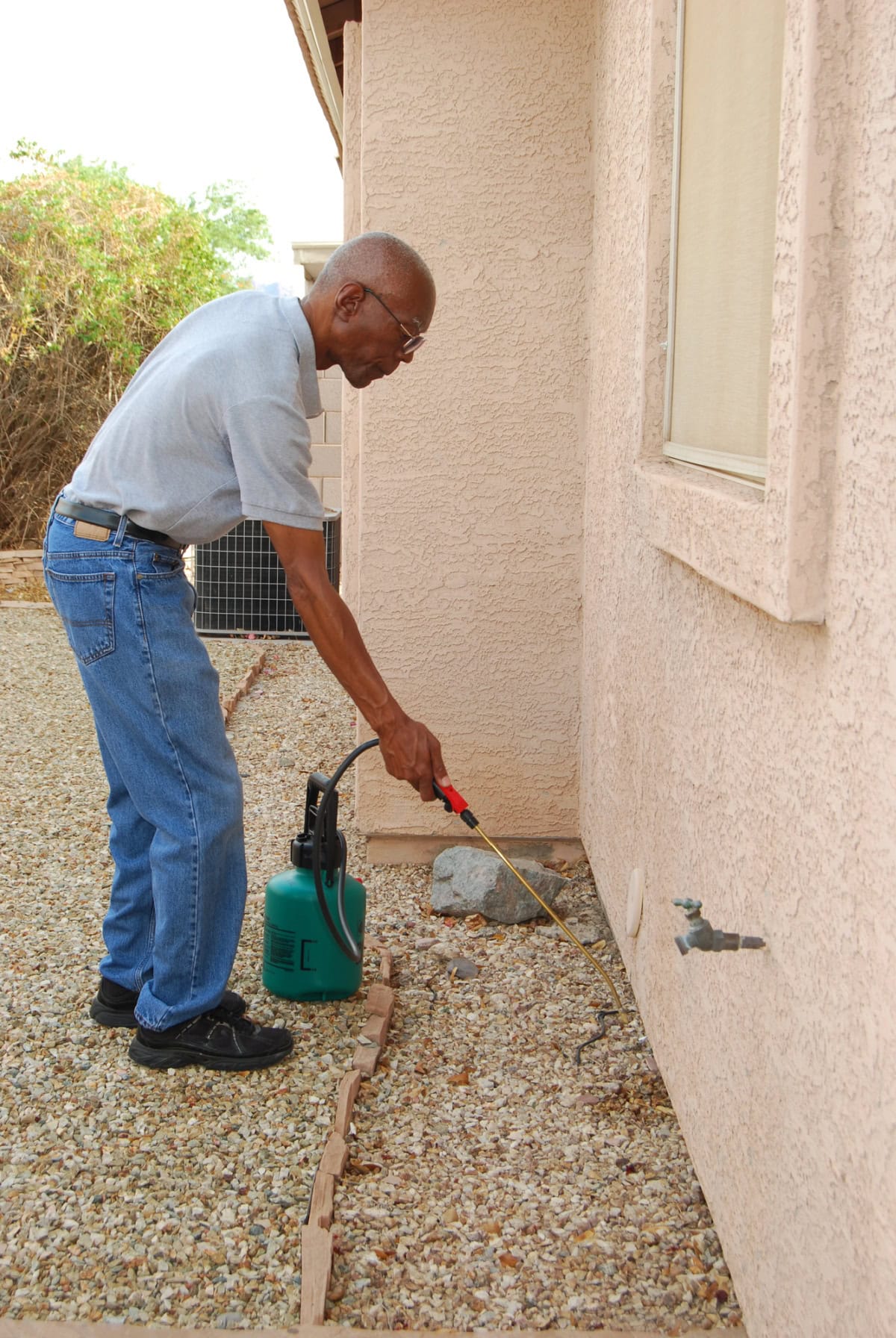
Mistake #1: Ignoring Early Warning Signs and Delaying Professional Help
The most common mistake homeowners make is treating early pest sightings as isolated incidents instead of warning signs. A single roach at night, a few droppings in a drawer, or a small pile of sawdust near a windowsill often gets cleaned up and forgotten rather than investigated. Pests are experts at staying hidden, so by the time you are seeing them regularly during the day, the population behind your walls is usually much larger than it appears. Waiting even a few extra weeks to address these signs can allow a small colony to become an established infestation.
Nearly 40 percent of Americans report having experienced a pest infestation at some point, according to a 2024 Forbes Home survey, which shows just how common this delay-and-regret cycle really is. The fix is straightforward: treat any repeated sighting, unusual odor, or unexplained damage as a signal worth investigating right away, not something to monitor indefinitely. Scheduling an inspection at the first sign of activity is almost always cheaper and less disruptive than waiting until pests have spread into multiple rooms.
Mistake #2: Using Wrong Products or DIY Treatments Without Proper Identification
Grabbing a generic spray or store-bought bait station feels like the fastest response, but it can actually make an infestation worse when the pest is misidentified. Ant species, for example, behave very differently from one another, and using the wrong bait can cause a colony to split and spread into new areas of the home instead of dying off. Similarly, treating what looks like a bed bug bite reaction with a general insecticide does nothing if the actual source is fleas or a skin irritation unrelated to pests at all. Misapplied treatments waste money, delay real solutions, and sometimes push pests deeper into wall voids where they are harder to reach.
This mistake is widespread because DIY culture runs strong among younger homeowners. Research from Forbes Home found that 55 percent of Millennials dealing with a pest infestation chose to handle it themselves rather than call a professional, often relying on searches and guesswork rather than accurate identification. The better approach is to confirm exactly what pest you are dealing with, either through careful observation of droppings, damage patterns, and behavior, or by having a professional identify it, before choosing any treatment method.
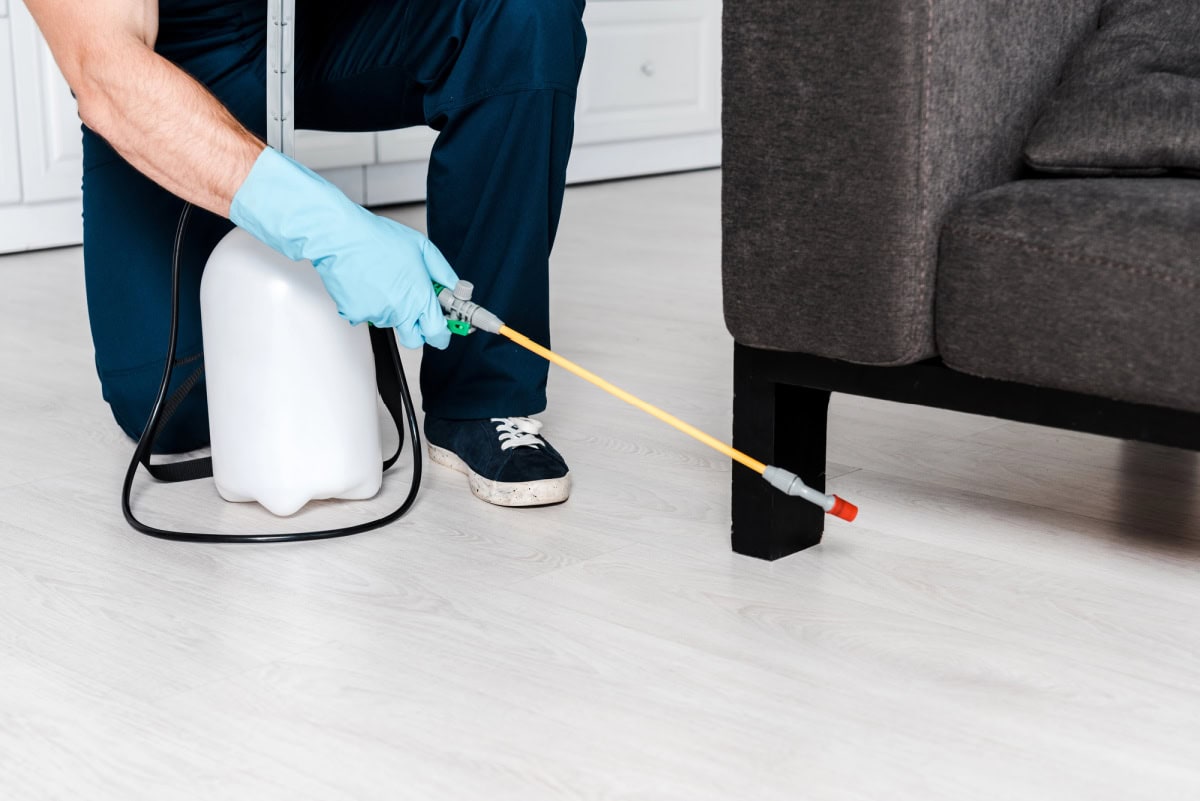
Mistake #3: Overlooking Food, Water, and Shelter Attractants in Your Home
Even homes that look spotless can be quietly offering pests everything they need to thrive. Pet food left out overnight, a slow leak under the kitchen sink, or a stack of cardboard boxes in the garage all create the food, water, and shelter combination that pests are searching for. Many homeowners focus their cleaning efforts on visible surfaces while ignoring the damp, cluttered, or rarely disturbed spots where pests actually prefer to live. Ants in particular are drawn to these overlooked conditions, which helps explain why 56 percent of Americans report ant problems as their most common pest issue.
According to the EPA, the most effective way to prevent infestations is to cut off pests’ access to food, water, and shelter, since removing these basic attractants does more long-term good than repeated spot treatments. Practically, this means fixing leaks promptly, storing pet food in sealed containers, keeping firewood away from the house, and clearing out damp storage areas at least once a season. These are not glamorous chores, but they are far more effective at preventing pests than any spray purchased after the fact.
Mistake #4: Failing to Seal Entry Points and Maintain Preventive Barriers
Even a spotless, well-maintained home can develop a pest problem if the exterior is full of small gaps and openings. Cracks around utility lines, gaps under garage doors, and unsealed vents are all easy access points that many homeowners never think to inspect. Because most pests only need an opening the width of a pencil to get inside, a home can look completely secure from the outside while still having several viable entry routes. This is one of the most preventable mistakes, yet it is consistently overlooked until pests are already established indoors.
The financial impact of skipping this step adds up. A 2026 survey from Modern Pest Services found that homeowners spent an average of 650 dollars on pest-related repairs and remediation over a five-year period, much of which could likely have been avoided with basic exclusion work. Walking the exterior of your home twice a year, sealing visible gaps with caulk or steel wool, and repairing damaged screens are simple habits that close off the pathways pests rely on most.
| Statistic | Figure |
| Americans who have experienced a pest infestation | 40% |
| U.S. residential customers using professional pest control (2025) | 13.29 million |
| Millennials with infestations who chose DIY removal | 55% |
| Average pest-related repair costs over five years | $650 |
| Americans reporting ant infestations (most common pest) | 56% |
Avoiding these mistakes is less about dramatic action and more about consistency. Checking on early warning signs, correctly identifying pests before treating them, removing everyday attractants, and sealing obvious entry points together form a routine that protects your home the same way regular budgeting or meal planning protects your household finances. With 13.29 million residential customers already relying on professional pest control services in 2025, it is clear that many homeowners have recognized the value of proactive help rather than reactive scrambling. Building these habits into your regular home maintenance keeps small pest issues from ever becoming the expensive, stressful infestations so many families end up dealing with.

- A Coffee Date Built Around One Shared Card Game - October 6, 2026
- Holiday Prep With a Back That Keeps Complaining - October 6, 2026
- Crafting Peaceful Spaces: Soothing Touches for Home Decor - October 6, 2026