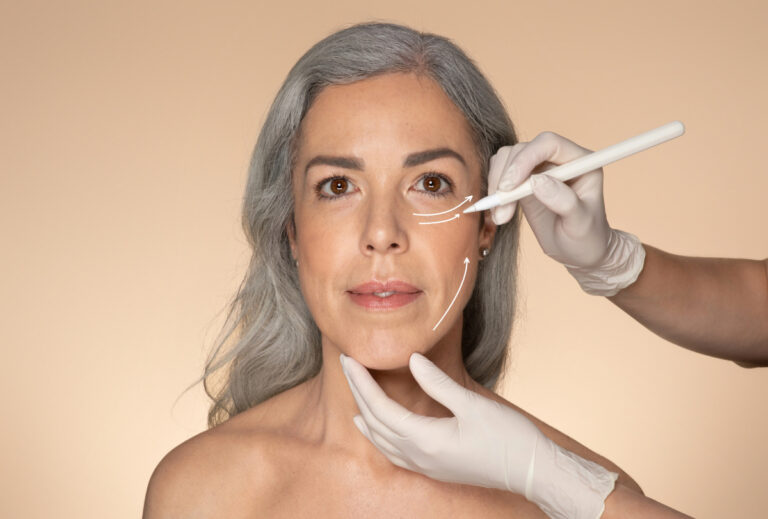
If your skin has seen better days, thanks to sun spots, acne scars, or just years of everyday wear, you’re not alone. Uneven texture and tone are some of the most common skin concerns people bring up, whether it’s from aging, past breakouts, or too many summers without enough sunscreen. Here in Los Angeles, where sun exposure is basically a year-round reality, a lot of people eventually start asking the same question: is there a treatment that actually smooths things out instead of just covering them up? Laser skin resurfacing keeps coming up in that conversation, and for good reason. Let’s look at what it actually does and whether it might be the right fit for your skin.
What Causes Uneven Skin Texture and Tone in the First Place?
Before getting into treatment, it helps to understand what’s actually going on underneath the surface. Uneven tone often comes from sun damage, which triggers extra pigment production in some areas and not others. Texture issues, on the other hand, are usually tied to scarring, enlarged pores, or a buildup of dead skin cells that hasn’t shed the way it should.
Genetics play a role too, and so does age. As skin matures, collagen production slows down, which means it takes longer to bounce back from damage. That’s part of why the same sunburn at 20 and at 45 can leave very different marks behind. Lifestyle factors like smoking, poor sleep, and even stress can also show up on your skin over time, making texture and tone issues feel like they’re compounding rather than improving on their own.
How Laser Skin Resurfacing Actually Works
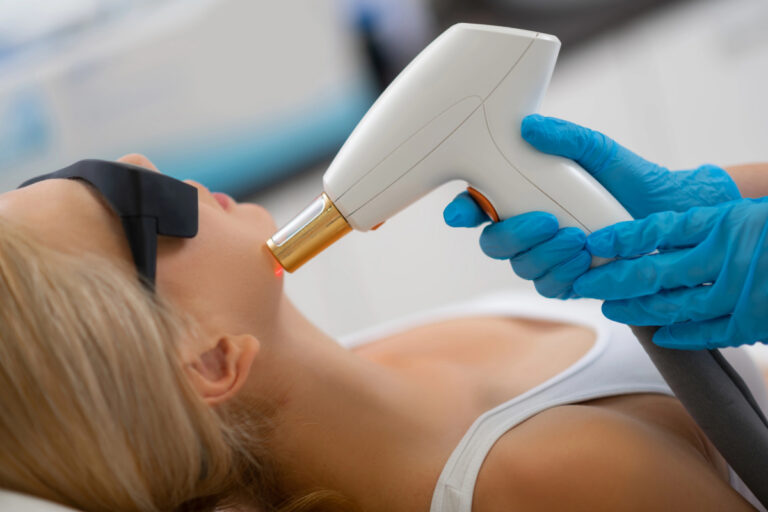
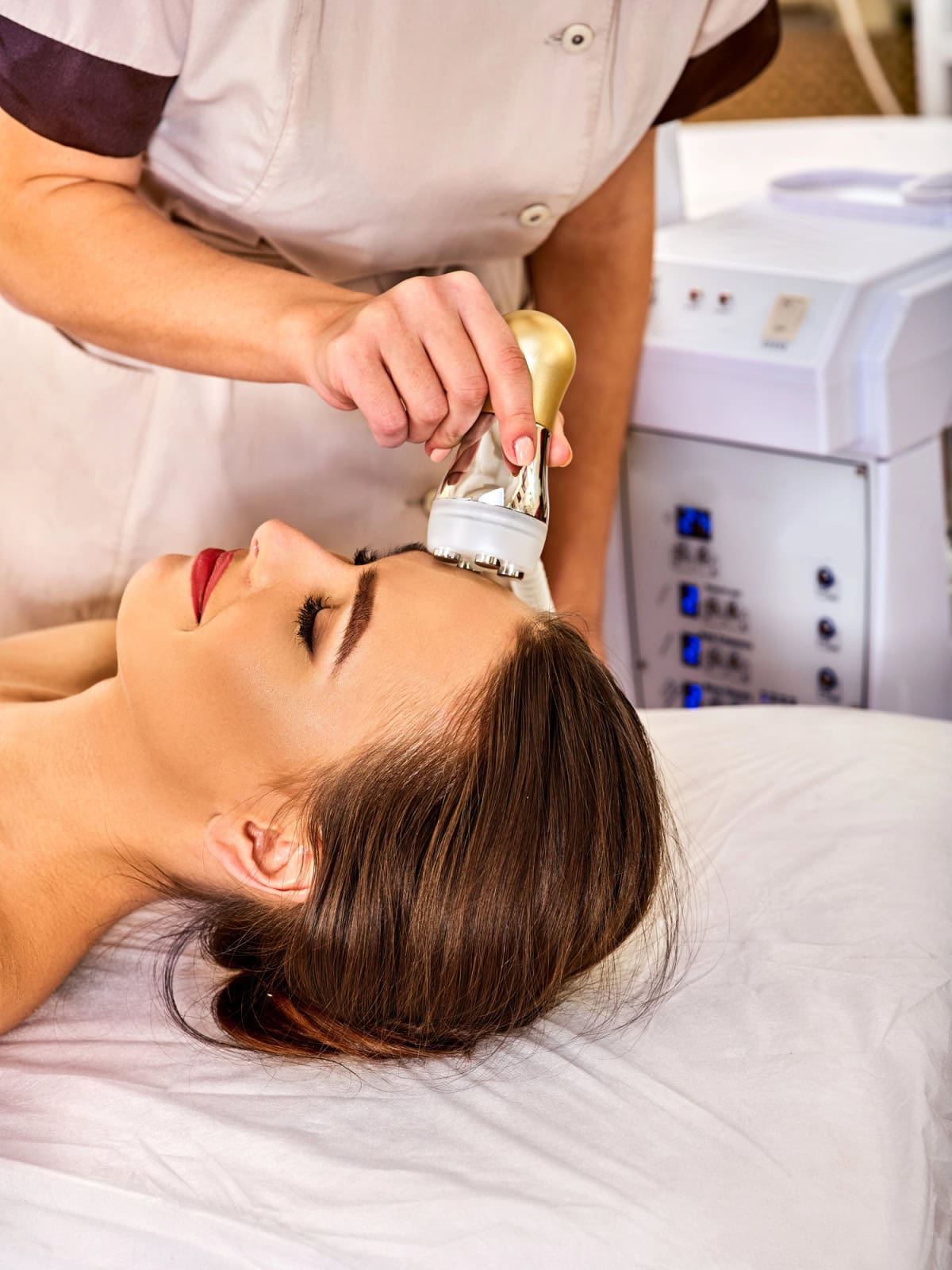
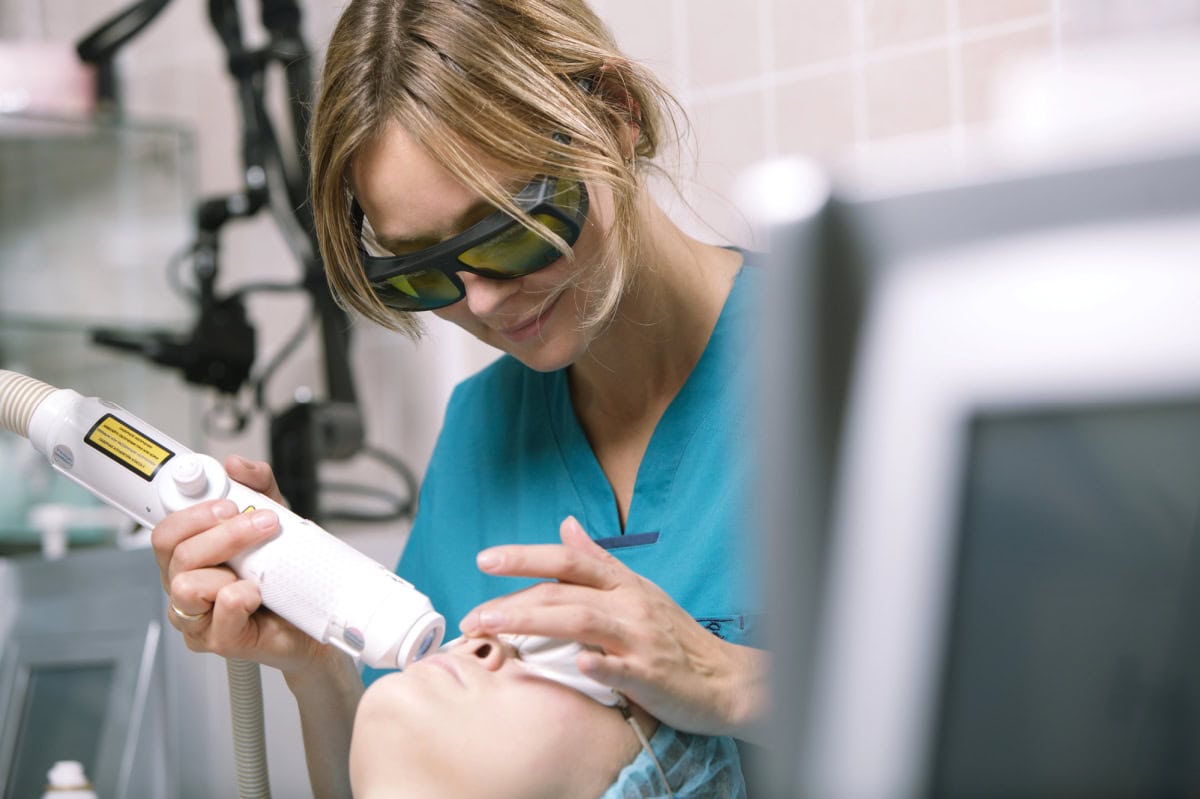
Laser skin resurfacing uses focused light energy to remove damaged outer layers of skin, layer by layer, while also heating the deeper layer underneath. That heat is what triggers your body’s natural collagen production, which is the real key to smoother, more even-looking skin over time.
There are two main types: ablative lasers, which remove the outer layer of skin entirely for more dramatic results, and non-ablative lasers, which work beneath the surface without damaging the top layer, meaning less downtime. Your provider will typically recommend one based on your skin type, your goals, and how much recovery time you’re comfortable with.
According to the American Society of Plastic Surgeons, laser skin resurfacing procedures topped 1 million in a single year, marking a 4 percent increase from the year before. That kind of steady growth reflects just how many people are turning to this treatment for real, visible improvement in their skin.
What Results Can You Expect?
Most people notice smoother texture, more even tone, and softer-looking fine lines within a few weeks of their skin fully healing. Acne scars often become less noticeable, sun spots fade, and pores can appear smaller as collagen rebuilds underneath the surface. Results tend to keep improving for months afterward, since collagen production doesn’t stop the day you leave the treatment room.
That said, results vary depending on your skin type, the type of laser used, and how many sessions your treatment plan includes. Some people see meaningful change after one session, while others benefit from a short series spaced weeks apart for a more gradual, controlled improvement.
Finding the Right Provider for Your Skin
Not every laser is suited to every skin type, so working with an experienced provider matters more than people often realize. A good consultation should include a real conversation about your skin tone, your concerns, and any past treatments you’ve tried, so your provider can recommend a laser and settings that actually fit you. This step matters even more if you have deeper skin tones, since the wrong laser settings can sometimes lead to uneven pigmentation instead of fixing it.
If you’re researching laser skin resurfacing in Los Angeles, look for a med spa or clinic that offers a range of laser technologies rather than a single one-size-fits-all option, since flexibility usually means better, safer results across different skin tones and concerns.
NassifMD® Medical Spa takes this personalized approach seriously, tailoring each laser skin resurfacing treatment to the individual rather than applying a generic protocol. The team evaluates your skin type, tone, and specific texture concerns before recommending a plan, which helps set realistic expectations and supports a smoother, more comfortable recovery.
What Recovery Looks Like
Downtime depends heavily on the type of laser used. Non-ablative treatments often allow you to return to normal activities within a day or two, with some redness that fades quickly. Ablative treatments involve a longer recovery, sometimes a week or more, as the skin sheds and regenerates.
During recovery, gentle skincare and diligent sun protection are non-negotiable. Freshly treated skin is more sensitive to UV exposure, and skipping sunscreen can undo a lot of the progress you just paid for. Most providers will walk you through a simple aftercare routine to protect your results and keep healing on track.
Conclusion
Uneven skin texture and tone can feel frustrating, especially when creams and serums only go so far. Laser skin resurfacing offers a more targeted way to address the root of the problem by encouraging your skin to rebuild itself from the inside out. It won’t happen overnight, and results depend on your skin type and the treatment plan you choose, but for many people, it’s a meaningful step toward smoother, more even-looking skin. If you’ve been considering it, a consultation with an experienced provider is the best way to find out what’s realistic for your skin and your goals.

- 8 Simple Steps to Master Searing on a Charcoal BBQ - August 31, 2026
- What to look for when choosing baby furniture that lasts past the first year - August 31, 2026
- Buying a Condo in Ottawa: What Should You Check Before Making an Offer? - August 31, 2026