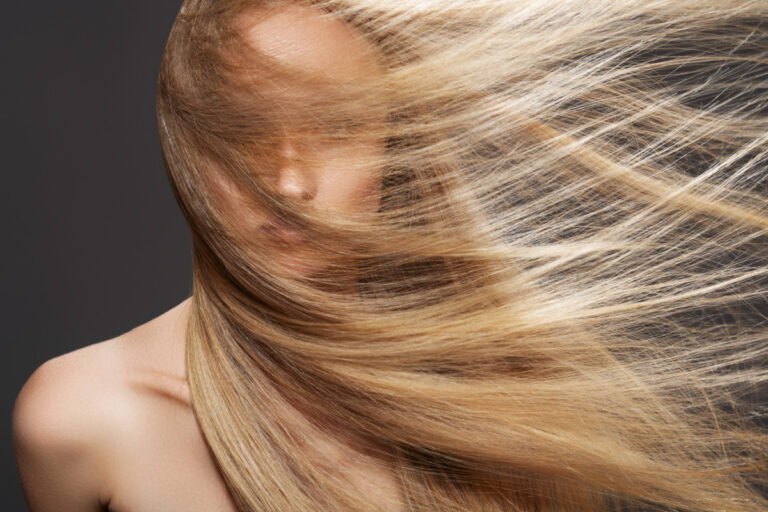
When hair starts feeling weaker, drier, or thinner, the usual response is to buy another shampoo, serum, mask, or oil. Those products can have a place in a routine, but hair health is not only about what you apply from the outside.
Your overall diet, daily habits, stress levels, and the way you treat your hair can all affect how it looks and feels. Before filling another bathroom shelf with products, it makes sense to check whether your routine is supporting healthy hair from the inside too.

Start With What You Eat and Drink Every Day
Hair is built from nutrients your body gets through food, so a diet that regularly falls short can eventually show up in your hair. Protein is particularly important, but overall energy intake, fats, vitamins, and minerals matter as well.
If you follow a restrictive eating pattern, it is worth paying attention to what you may be consuming in large amounts and what might be missing. Even something as ordinary as your daily coffee can become part of that conversation. People following meat-heavy eating plans may find information from carnivoresnax.com useful when deciding how coffee works within the broader structure of their diet.
The point is not that one drink or food determines the condition of your hair. It is that your overall pattern matters. Regular meals, enough protein, adequate calories, and a diet you can sustain are a better foundation than trying to compensate for an inconsistent diet with increasingly expensive hair products.
Pay Extra Attention to Fragile Areas Around the Hairline
Not every hair concern appears evenly across the scalp. The edges can be particularly vulnerable because they are exposed to pulling, brushing, styling products, heat, and repeated tension.
If thinning is concentrated around the hairline, it is worth looking at both nutrition and styling habits. Learning more about how to regrow edges of African American hair can help put the focus on protecting this delicate area rather than simply covering it with heavier products.
Avoid repeatedly pulling the same sections of hair into very tight styles. Give the hairline breaks between braids, ponytails, extensions, or other looks that create tension, and handle the edges gently when detangling or styling.
More product is not always the answer. Sometimes the most useful change is reducing the amount of stress being placed on the hair.

Make Sure You Are Eating Enough Overall
People often focus on individual nutrients while overlooking the most basic issue: total food intake.
If you are regularly undereating, losing weight quickly, or skipping meals because of a busy schedule, hair may become one of several areas where the effects eventually become noticeable. Your body has more immediate priorities than maintaining thick, fast-growing hair.
This is one reason crash diets can be difficult for hair health. Even when the diet includes nutritious foods, a very large calorie deficit can make it harder to consistently meet your needs.
Aim for an eating pattern you can maintain. If your goal is weight loss, slower and more moderate changes may be easier to balance with overall health than extreme restriction.
Hair changes can also have many causes unrelated to diet, so persistent or significant shedding deserves proper attention rather than endless experimentation with food alone.
Don’t Overcomplicate Your Hair Routine
A shelf full of products can make it feel as though you are taking better care of your hair, but too many overlapping treatments can create another problem.
Start with the basics: gentle cleansing, appropriate conditioning, careful detangling, and protection from unnecessary heat or tension. Then add products only when they solve a specific problem.
If your hair is dry, focus on moisture. If heat styling is part of your routine, use appropriate protection and reconsider how frequently you need high temperatures. If breakage is happening mostly during detangling, change the technique before buying another treatment.
It also helps to give products enough time to judge whether they are actually useful. Constantly switching shampoos, oils, and masks makes it difficult to know what your hair responds to well.
A simple routine performed consistently often beats a complicated routine that changes every week.
Look at Sleep, Stress, and Training Too
Diet may be the first place to look, but it is not the only part of your lifestyle that matters.
Periods of heavy stress, poor sleep, or unusually intense training can overlap with changes in appetite and eating habits. When everything shifts at once, it can be difficult to identify what is contributing to changes in your hair.
Try to keep sleep reasonably consistent and avoid pushing both training and dieting to extremes at the same time. If you exercise frequently, make sure your food intake reflects the additional demand rather than treating every workout as another reason to cut calories.
Stress management does not have to mean creating an elaborate wellness routine either. Regular walks, quieter evenings, better boundaries around work, and simply getting enough rest can make daily life more manageable.
Hair is only one part of the picture. Habits that support your general health tend to be more useful than chasing one isolated cosmetic result.
Give Changes Enough Time to Work
Hair grows slowly, which makes it a poor place to expect instant results.
Changing your diet on Monday is unlikely to produce noticeably thicker hair the following week. The same is true for reducing heat, changing protective styles, or simplifying your routine.
Take photos occasionally if you are trying to monitor progress, especially around areas like the hairline, where small changes can be hard to notice day to day. Avoid checking constantly because normal fluctuations can make improvement harder to see.
If you experience sudden shedding, bald patches, scalp irritation, or ongoing thinning, consider speaking with a qualified healthcare or hair professional instead of assuming the answer is another supplement or cosmetic product.
Stronger-looking hair usually comes from a combination of factors rather than a single miracle purchase. Start with the basics: eat enough, get adequate protein and nutrients, protect fragile areas, reduce unnecessary damage, and keep your routine consistent.
Products can support healthy hair, but they work best when the habits underneath them are already doing their part.

- How to Plan a Summer Dinner Around the Weather - September 17, 2026
- How to Choose Door Hardware That Works With Your Interior Style - September 17, 2026
- Want Stronger, Healthier Hair? Check Your Diet Before Buying More Products - September 17, 2026