Door hardware may occupy only a small part of a room, but it has a noticeable effect on how an interior feels. Every lever, knob, pull, and hinge becomes part of the home’s visual language, while also serving as something you touch and use every day. Choosing Rocky Mountain Door Hardware can be part of a thoughtful approach to coordinating material, scale, function, and finish throughout the home.
Begin With the Character of Your Home
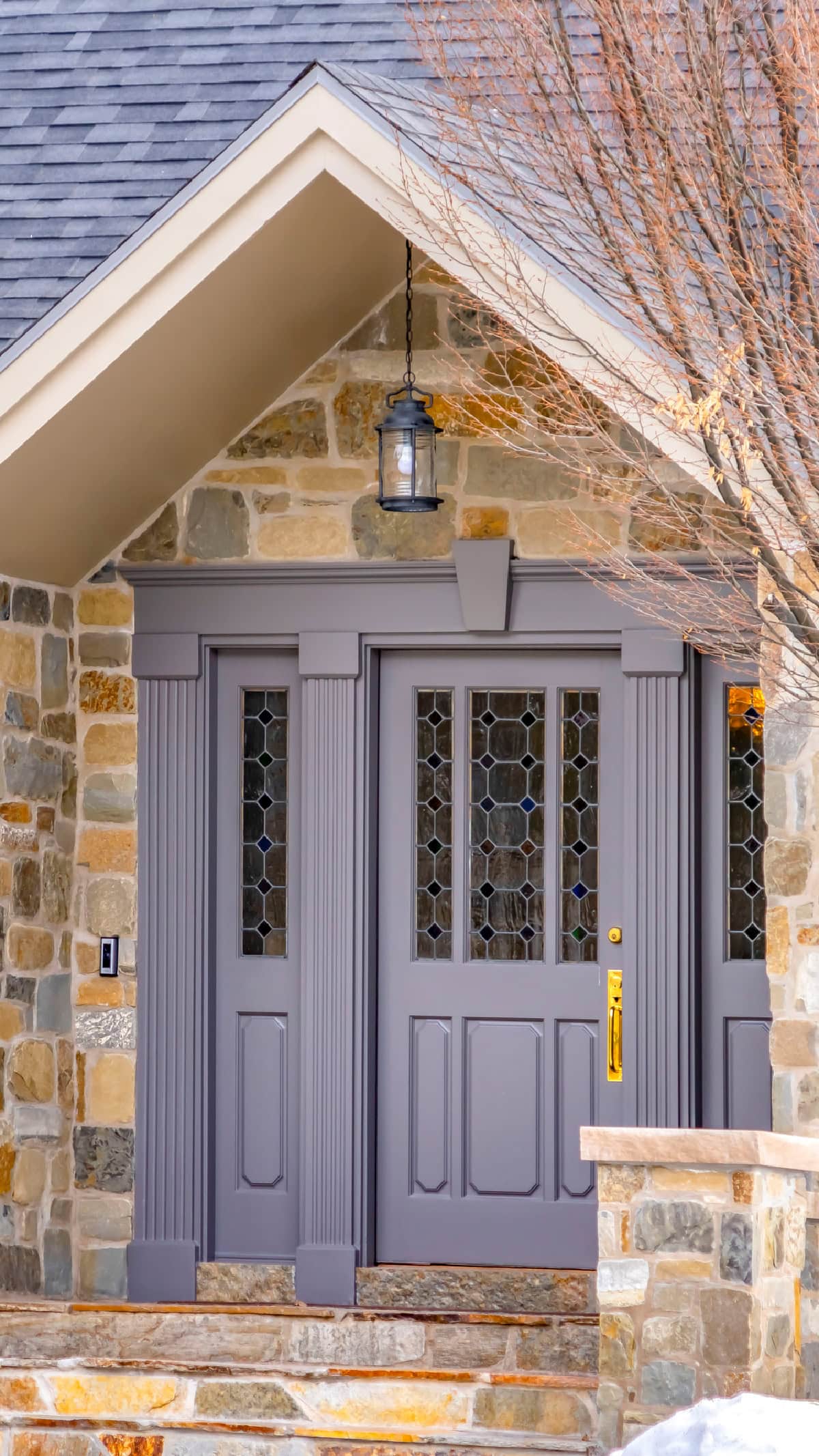
The architecture should guide the hardware rather than leaving it as a final decorative choice. A traditional home may call for pieces with familiar forms and greater visual detail, while a contemporary interior often benefits from cleaner lines and restrained profiles. Transitional spaces leave room to combine classic materials with simpler shapes, which can help a home feel current without tying it too closely to a passing trend.
Look at the doors themselves as well. Paneled doors, tall custom doors, glass doors, and simple flush doors all create different proportions. Hardware should feel suited to those proportions so that it becomes part of the composition instead of looking added after everything else was selected.
Consider How the Finish Relates to the Room
Finish is often the first thing homeowners notice when shopping for hardware, but it helps to think about it in the context of the entire room. Flooring, cabinetry, lighting, plumbing fixtures, furniture, and architectural details all contribute to the palette. Door hardware can reinforce that palette through color, texture, and material.
You do not need to match every metal surface exactly. A room can feel more layered when related finishes have subtle variations. Warm bronze, for example, can sit comfortably beside wood, stone, neutral paint, and other warm metals. The goal is to create a connection between materials so that the room feels cohesive without becoming too coordinated.
Choose Hardware for the Way the Door Is Used
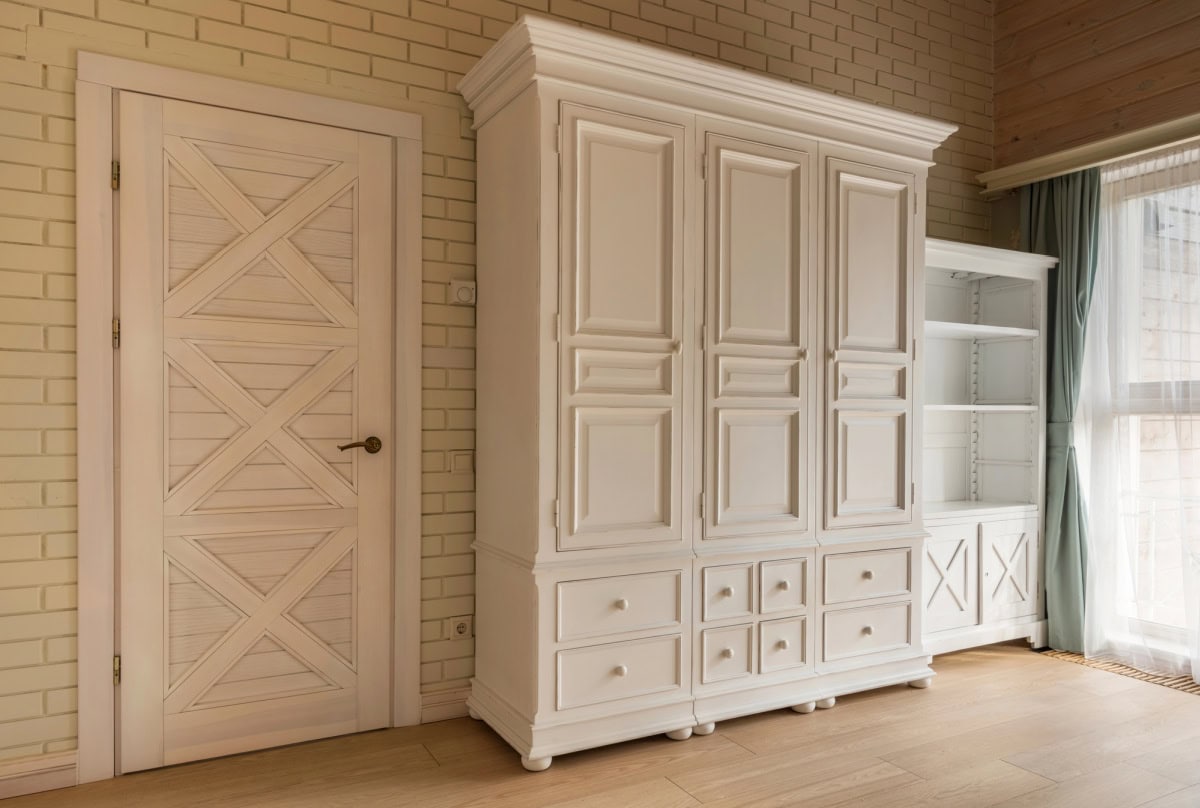
Style matters, but function should shape the decision as well. An entry door has different needs from a bedroom, powder room, pantry, or closet. Consider how often the door is used, whether privacy is needed, and who will interact with it each day.
A lever may feel natural in a busy part of the home because it is easy to operate, while a knob may better suit the character of another room. Privacy doors require the right locking function, and exterior doors need hardware appropriate for security and exposure. Thinking through these practical needs early helps narrow the choices while keeping the final result consistent with the interior.
Pay Attention to Scale
Hardware should feel proportionate to the door and the surrounding architecture. A small piece can look lost on a tall or substantial door, while a very large lever or plate can feel heavy on a narrow door with delicate trim. Looking at the entire door elevation can make the right scale easier to judge.
Nearby elements matter too. Baseboards, casing, cabinetry, lighting, and furniture all establish visual proportions within a room. When the size of the hardware responds to those details, the result tends to feel settled and intentional. This is especially important in open spaces where several doors may be visible from the same point.
Think Beyond a Single Room
Choosing door hardware room by room without an overall plan can lead to a home that feels disconnected. It is helpful to establish a general hardware language before making individual selections. That might mean choosing one primary finish, a related family of forms, or a consistent approach to levers and knobs.
Consistency does not require using the same piece on every door. A formal entry can have more presence than a closet door, and private rooms may need different functions. Keeping the material, finish, or overall design language related creates continuity while still allowing each space to have its own character.
Look for Materials That Age Well
Door hardware receives constant contact, so the way a material changes over time deserves consideration. High-quality materials can develop character through use, creating a surface that feels connected to the life of the home. This can be especially appealing in interiors that already feature natural stone, solid wood, handmade tile, or other materials valued for their variation.
Bronze is one example of a material that can gain depth as it ages. Its changing surface can complement homes designed around warmth and longevity. When choosing any finish, think about whether you prefer a surface that develops naturally or one intended to maintain a more uniform appearance.
Remember the Details Around the Door
The lever or knob may be the most visible part of the hardware package, yet other details also influence the finished look. Hinges, escutcheons, backplates, locks, door stops, and related accessories can either support the main selection or introduce visual clutter.
Considering these elements together creates a more complete result. If a door has visible hinges, their finish should feel connected to the rest of the hardware. Accessories should also make sense within the room rather than appearing as unrelated pieces selected at the end of the project.
Choose for the Long Term
Door hardware is not something most homeowners want to replace whenever decorating trends shift. It makes sense to choose pieces with enough character to enrich the interior while remaining appropriate as paint colors, furniture, textiles, and accessories change over time.
Good hardware brings together function, proportion, material, and touch. When those qualities work with the architecture and interior palette, even a small detail can make the home feel more complete. Thoughtful selection allows the hardware to become a lasting part of the design, supporting everyday use while quietly adding depth and refinement to each room.

- How to Plan a Summer Dinner Around the Weather - September 17, 2026
- How to Choose Door Hardware That Works With Your Interior Style - September 17, 2026
- Want Stronger, Healthier Hair? Check Your Diet Before Buying More Products - September 17, 2026