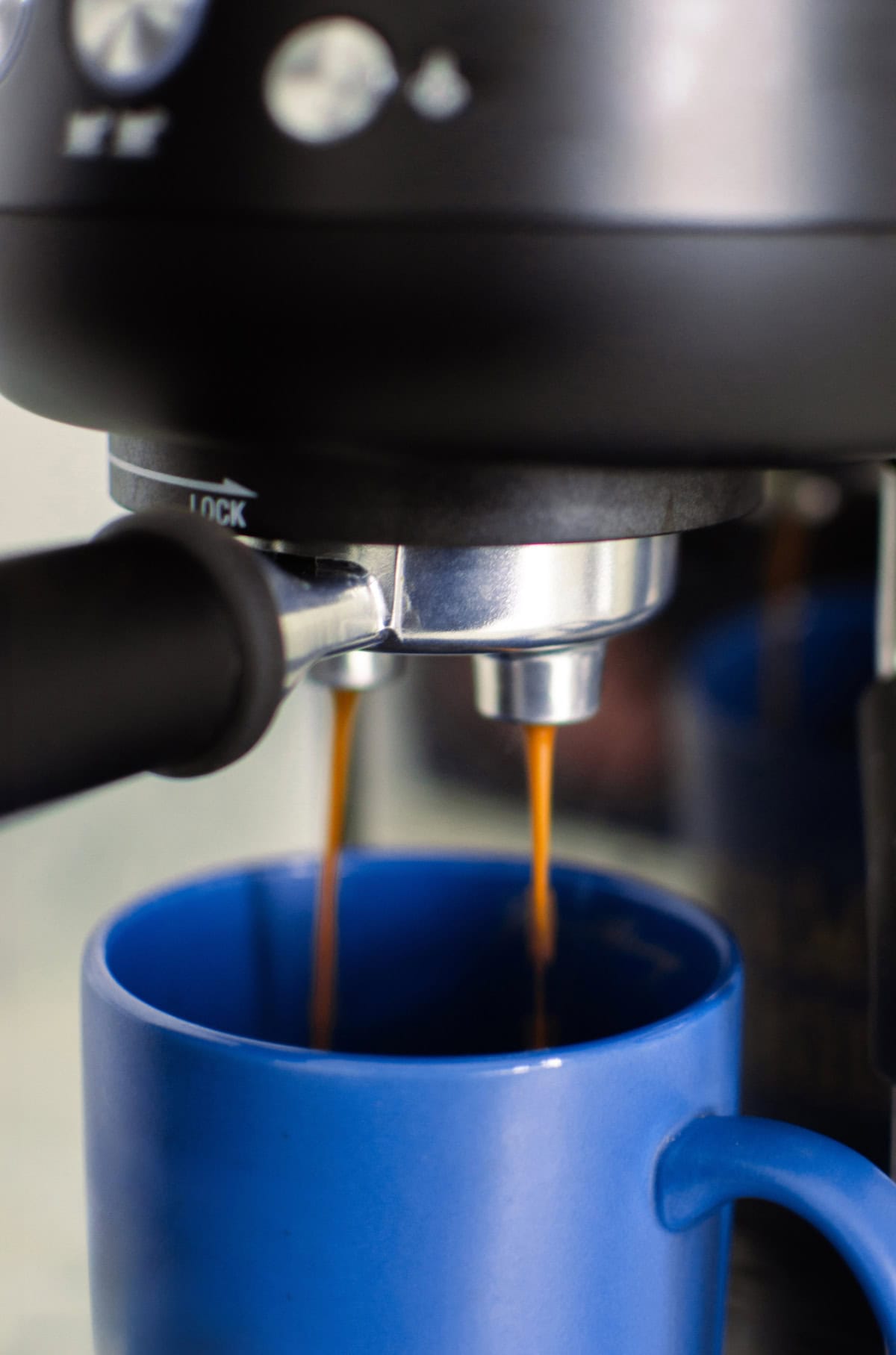
I did the math on my drive-thru habit last week, and honestly, I wish I hadn’t. A $7 latte a few mornings a week does not sound like much until you add it up over a whole year, and then you are staring at a number that could have bought a really nice appliance for your kitchen. If you have been telling yourself that making cafe drinks at home is complicated or wildly expensive, stick with me, because building an easy home espresso setup is a lot more doable than I expected.
The Drive-Thru Math That Changed My Mind
Here is the part nobody warns you about when you get hooked on those fancy morning coffees. It is not the one drink. It is the pattern. Grab a couple during the week, add a weekend treat, throw in the extra ones you buy when the kids are melting down in the car, and the total creeps up fast.
When I actually tracked it, my “little treat” was one of the bigger recurring line items in my month that I never once budgeted for. That is the sneaky thing about small daily spends. They hide.
The flip side is the good news. Once you own the gear, your cost per drink drops to basically the price of the beans and a splash of milk. You are looking at a small fraction of what the coffee shop charges. So the real question is not “can I afford a machine,” it is “how fast does the machine pay for itself.” For a regular coffee-shop family like mine, the answer is usually within the first year, sometimes a lot sooner.
What You Actually Need for an Easy Setup
You do not need a full professional cafe on your counter. I promise. When I started researching, the pros kept coming back to the same short list of essentials, and everything else is just nice-to-have.
The core five
- The machine. This is the heart of everything and the one piece worth thinking about most.
- A burr grinder. Fresh-ground beans make a bigger difference than any other single upgrade. A burr grinder (not the little blade kind) gives you an even grind that pulls a better shot.
- A tamper. A simple hand tool that presses your grounds down evenly so the water flows the right way.
- A small kitchen scale. This sounds fussy, but weighing your beans and your shot is how you get the same good cup every single morning instead of guessing.
- A milk jug. If you love lattes as I do, a little stainless steel pitcher is all you need to steam and pour.
That is genuinely it for a starter kit. Beans, grinder, tamper, scale, jug, and the machine. You probably already own a couple of these, or something close enough to start.
Choosing a Home Espresso Machine Without Overthinking It
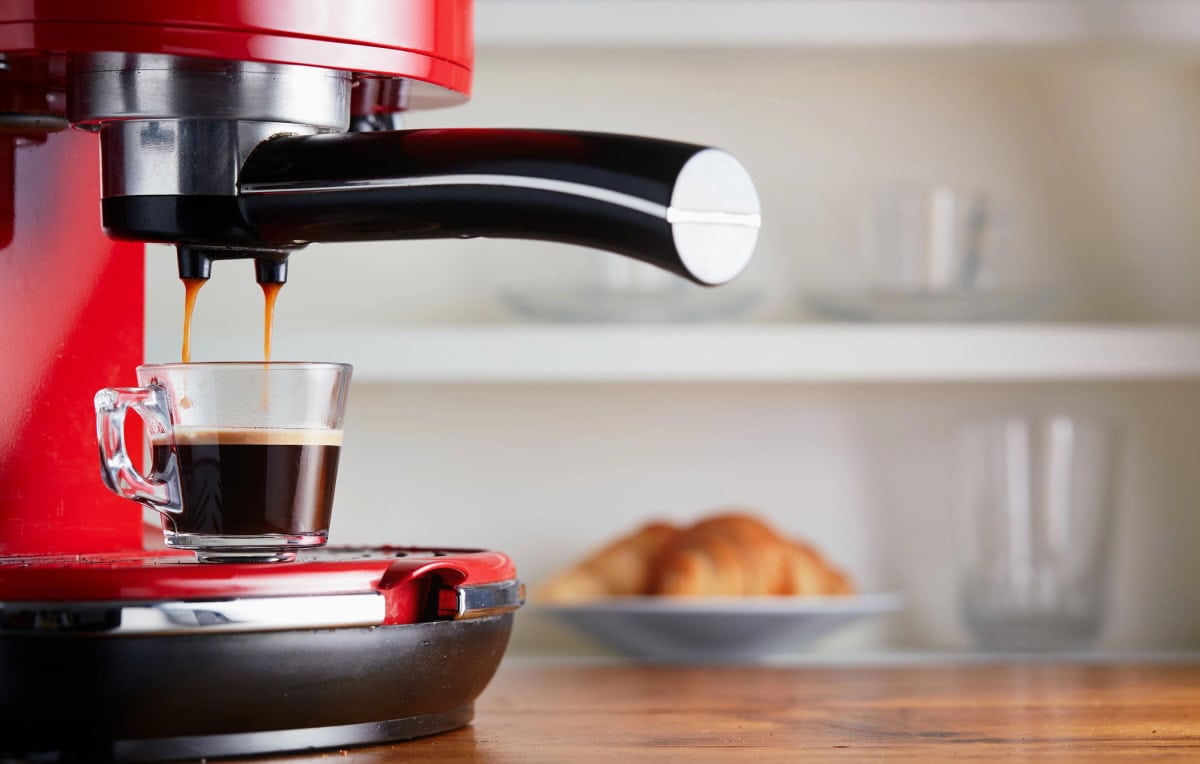
Okay, the big one. When you shop for a home espresso machine, the options get sorted into tiers, and understanding those tiers made the whole decision click for me. Pro Coffee Gear lays their collection out this way, which is how I finally figured out where I fit.
Single boiler: the budget-friendly starting point
This is the most affordable tier and a great fit if you are mostly making straight espresso or an occasional latte and do not mind waiting a moment to switch between pulling a shot and steaming milk. If you are dipping your toe in and want the lowest cost of entry, start here. No shame in it.
Heat exchanger: the sweet spot for most families
This is the tier most home coffee lovers land on, and for good reason. A heat exchanger lets you pull your shot and steam your milk at the same time, which matters a lot on a busy morning when everyone needs to be out the door. If you make milk drinks daily, this is probably your lane. It costs more than a single boiler, but it is the “buy once, love it for years” middle ground.
Dual boiler: for the serious hobbyist
This top tier is built for people who really geek out on temperature control and want the most precise, consistent shots possible. It is more of an investment, so I would only point you here if you already know espresso is going to be a genuine hobby and not just a convenience.
Brands worth knowing as you browse include Rocket, Lelit, Profitec, Rancilio, and ECM. The Rocket Appartamento, in particular, gets recommended over and over as a first “real” machine because it is well-built and does not hog counter space, which, in my tiny kitchen, was a real selling point.
Making It Work in a Real, Busy Kitchen
A few honest tips from someone with four kids and zero extra counter space.
- Measure your spot first. Espresso machines have a footprint. Grab a tape measure before you fall in love with anything.
- Keep the routine simple at first. Learn one drink really well, whether that is a straight shot or your go-to latte, before you try to recreate the entire menu board.
- Buy beans you actually like. The best machine in the world cannot fix stale grocery-store beans. Fresh beans from a roaster you enjoy will do more for your cup than almost anything.
- Factor the gear in slowly. You can add the scale or the fancy milk jug later. The machine and a decent grinder get you 90 percent of the way there on day one.
If you want to see the full range and compare the tiers side by side, the folks at Pro Coffee Gear are a solid place to window-shop and learn, even before you are ready to buy.
Start Simple, and Let It Pay You Back
Here is what I would tell my drive-thru self from a year ago. You do not have to buy the top-of-the-line setup to break the habit and start saving. Pick a tier that matches how you actually drink coffee, add a good grinder, and learn one drink you love. The gear pays for itself faster than you would ever guess, and after that, every cup is money back in your pocket and a little morning ritual that beats sitting in a drive-thru line. Start small, start now, and let your kitchen become the best coffee stop in town.

- How to Surprise Your Partner with an Unforgettable Helicopter Ride - October 19, 2026
- The Details That Help You Make Sense of an Unfamiliar Supplement - October 19, 2026
- When Dental Damage Requires a Restorative Treatment Plan - October 19, 2026