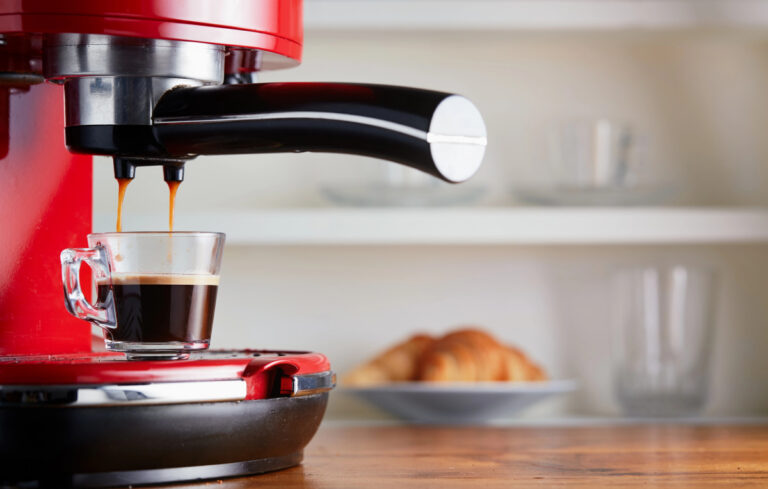
A coffee machine is a significant investment, but how do you maintain it properly? If you don’t look after it, you can experience slower brewing and a generally worse cup of coffee. The maintenance of your coffee machine depends on the type of coffee maker you have. You’ll need to use different tactics depending on whether you have:
- a drip coffee maker
- a pod or single-serve option like Keurig or Nespresso
- a full espresso or bean-to-cup machine
In this guide, we’re going to look at all the maintenance activities you should carry out, including preventive measures to keep your coffee machine from being damaged in the first place.

Use the right water type
Use the right water type. One of the most effective ways to keep your coffee machine running perfectly is to use the right type of water. Most manufacturers recommend that you always fill your machine with filtered water from a Brita pitcher or perhaps bottled water.
You can also get water filters installed under your sink so that all of the water flowing through your kitchen is filtered and won’t corrode or damage any of the parts. Just be careful to avoid distilled water because it doesn’t have the right minerals in it and can sometimes corrode parts of your coffee machine.
Also, be careful of unfiltered tap water in hard water areas. Lime scale can build up on the inside of your machine and cause damage over time, and prevent the flow of water. If you have a sophisticated machine, it might have a water hardness setting. This allows you to calibrate the water type using strips and then use descaling techniques as required.
Daily maintenance tasks
If you have an expensive coffee machine, then it’s also a good idea to perform daily maintenance on it. Getting maintenance right can significantly extend the life of your machine.
If you have an expensive coffee machine, then it’s also a good idea to perform daily maintenance on it. Getting maintenance right can extend the life of your machine considerably.
- Wipe the exterior with a microfiber cloth. These are made of special materials that won’t scratch any surfaces or cause damage.
- If you have an espresso steam wand, purge steam before and after frothing milk. This will remove any lagging milk residues from the surface.
- If you need to, soak the milk residue in warm water overnight. This can dislodge hard residues and make it easier for you to clean them in the morning.
- Furthermore, if you have a porter filter, then rinse it properly, knock out all of the grounds, and then put it under the hot water tap.
- Don’t leave any wet pucks in the basket because they can turn rancid and acidic over time.
Perform weekly maintenance
Every week, you’ll want to perform some sort of weekly maintenance on your coffee machine. What you do will depend on the type of machine that you have.
For example, if you have an espresso machine, it’s a good idea to do a backflush on it. This allows you to remove old coffee oils from the brew path, preventing them from turning bitter or rancid. Make sure you do water-only flushes from time to time and use the specific cleaning powder or tablets recommended for the product.
If you have the right coffee tools, you can also perform deep cleans on removable parts. For example, you can clean the portafilter, brew basket, or shower screen in hot water using nothing but mild dish soap. If your coffee machine is in a busy kitchen and prone to picking up oil residues, then make sure you also wipe down the entire machine every week. Clean the exterior and under the group head so you don’t wind up with a depreciating appliance.

Descaling every 1-6 months
When using a hard water area, it’s highly likely that you’ll need to descale every 1-6 months. Descaling involves removing lime scale with an acid solution, and how often you do this depends on water hardness and frequency. For hard water areas, you may need to descale coffee machines every month, and no less often than every three months. If you’re in a soft water area or you use filtered water, you can get away with descaling every three to six months. Most machines will have an indicator that lights up telling you when you need to descale. If you have a more basic machine and you don’t have this option, then just stick to a schedule.
When descaling, make sure you use the manufacturer-recommended product, usually a powder, a liquid, or a tablet. If you have a basic drip maker, you can get away with using a 1:1 white vinegar and water mix.
Run the solution through the brew cycle using the machine’s descale mode, if it has one. Often these take between 15 and 30 minutes to work fully. Then rinse the machine through two or three cycles so that all of the residue comes out of the system and doesn’t affect the taste of your coffee.
As-needed, monthly or deep clean tasks
Of course, you will need to perform some as-needed tasks. For example:
- Sometimes it’s necessary to replace water filters if your machine has one. These can become clogged and lead to residue getting into your coffee.
- You also need to clean the brew units on some machines. Rinse it and then dry as per the manufacturer’s instructions.
- If you have grinder burrs or blades, you may need to clean or replace them if they’re broken or damaged or have residue on them. This can ultimately change the taste of the coffee.
There you have it: some of the ways you can maintain your at-home coffee machine. These devices are becoming more complex, and manufacturers are constantly improving them to achieve barista-style quality. Simple drip-filter coffee machines are no longer as popular as they once were, and many people are investing in something better.

- Here Is How Debt Relief Can Help To Restore Your Family Finances Today - July 31, 2026
- How Busy Professionals Schedule Dermal Filler Treatments - July 31, 2026
- Interior Designer vs. Decorator vs. DIY: What Your Project Actually Needs - July 31, 2026