If you discover a potential hazard in a children’s playground, report it to the property owner or managing authority immediately and keep children away from the dangerous area. Broken swings, unstable climbing structures, exposed screws, and damaged flooring can cause serious injuries. Taking action before an accident occurs can help protect children and prevent avoidable harm.
Parents and caregivers should be familiar with playground safety guidelines, particularly when children use public parks, school playgrounds, and privately operated play areas. Recognizing unsafe conditions early can make a significant difference in preventing falls, cuts, fractures, and other playground injuries.
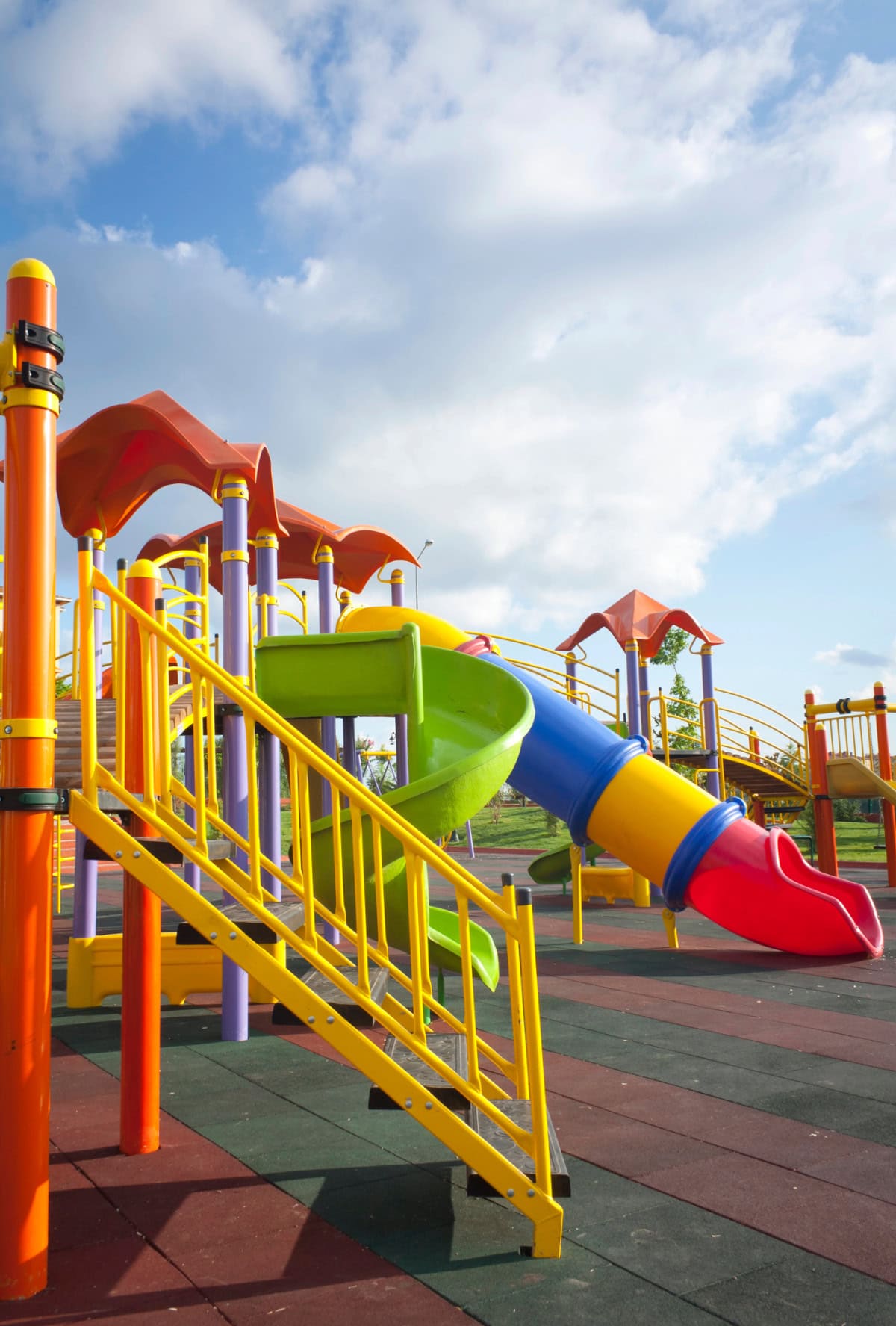
What Are the Most Common Playground Hazards?
Damaged or Defective Equipment
Loose swing chains, cracked slides, unstable ladders, and broken climbing structures can collapse or cause children to fall. Equipment should be inspected regularly to identify damage before it becomes dangerous.
Inadequate Protective Surfacing
Hard surfaces such as concrete and asphalt can increase the severity of injuries when children fall. Playground areas should have appropriate impact-absorbing materials, such as engineered wood fiber, rubber surfacing, or other suitable protective materials.
Exposed Hardware and Sharp Edges
Protruding bolts, broken metal components, and sharp wooden edges can cause cuts, puncture wounds, and other injuries.
Unsafe Openings and Gaps
Certain gaps in playground equipment can create entrapment hazards. Children may get their heads, necks, or limbs caught in openings that are not designed according to safety recommendations.
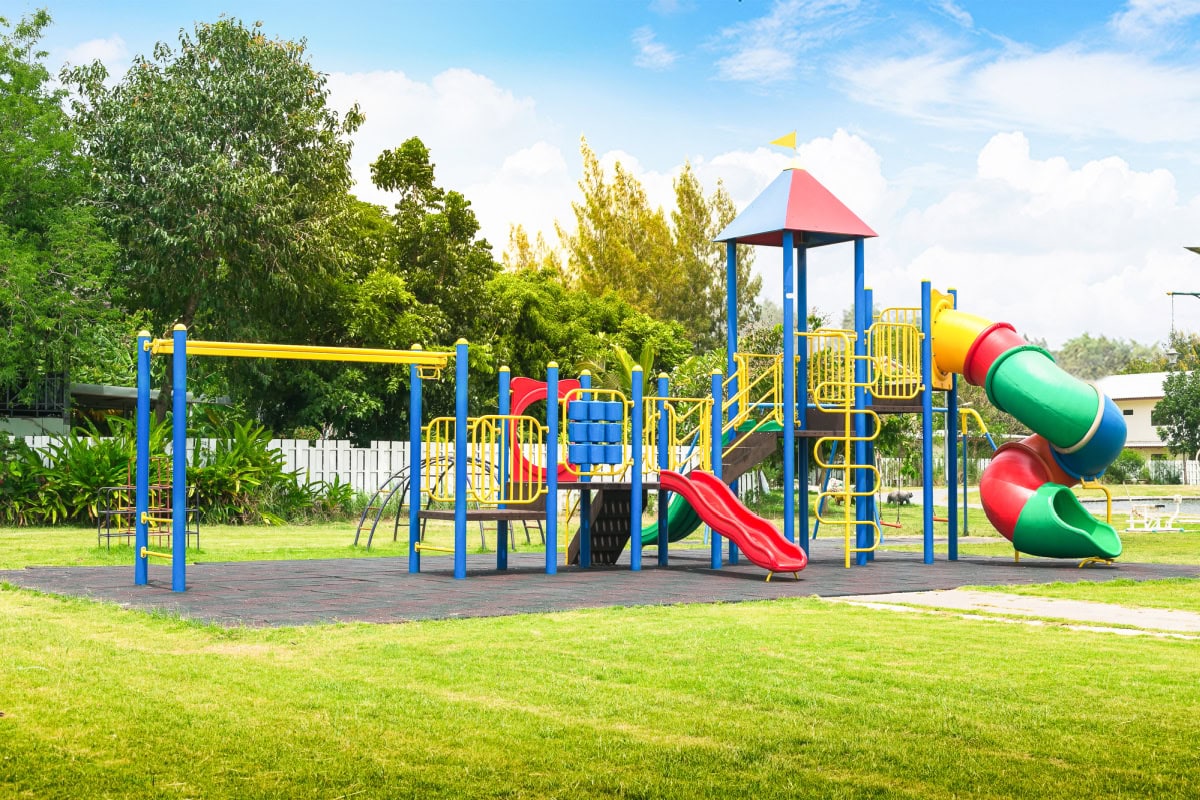
What Should You Do When You Discover a Playground Hazard?
Finding a dangerous condition requires more than simply warning children to stay away. Taking the following steps can help ensure that the problem is properly addressed.
- Keep children away: Prevent children from using the damaged equipment or entering the affected area.
- Document the condition: Take photographs or videos showing the hazard clearly.
- Notify the responsible authority: Contact the playground manager, school administration, property owner, or local parks department.
- Submit a written complaint: If possible, report the issue through an official complaint system so there is a record of your notification.
- Follow up: Check whether the responsible authority has restricted access or arranged necessary repairs.
The Consumer Product Safety Commission’s Public Playground Safety Handbook provides recommendations concerning equipment maintenance, protective surfacing, playground design, and inspection practices.
Who May Be Responsible for an Unsafe Playground?
Responsibility depends on who owns or operates the playground and who has control over its maintenance.
For example, a school district may be responsible for inspecting and maintaining playground equipment on school property. A municipality may have similar responsibilities for public parks, while a private property owner or commercial play facility may be responsible for addressing hazards within its premises.
However, an owner is not automatically liable whenever a child gets injured. A claim may depend on whether a dangerous condition existed, whether the responsible party knew or should have known about it, and whether reasonable steps were taken to correct or warn about the hazard.
What If a Child Is Injured Because of a Playground Hazard?
If a child suffers an injury, obtaining medical attention should be the first priority. Parents should also photograph the equipment, preserve incident reports, collect witness information, and keep medical bills and treatment records.
Consider a situation where a parent reports a broken climbing ladder to a school administrator. If the school fails to address the problem and a child later falls from the damaged structure, the previous complaint may become important evidence when examining whether the school had notice of the hazard.
Pro Tip: When reporting a playground hazard, include the exact location, equipment involved, nature of the damage, and date of discovery. Specific information makes it easier for maintenance personnel to investigate the problem.
Frequently Asked Questions
Can I report a playground hazard even if nobody has been injured?
Yes. Reporting dangerous conditions before an accident occurs can help property owners take corrective action and protect other children.
Can a playground owner be held responsible for defective equipment?
Potentially. Liability may arise when a property owner or operator fails to address a dangerous condition despite having a legal duty to do so.
Should I take photographs before reporting a playground hazard?
Yes, if it is safe to do so. Photographs can help demonstrate the condition and provide a record of what was discovered.

- Why Wool Area Rugs Are the Smartest Choice for Busy Family Homes - November 19, 2026
- How Do Courts Treat Postpartum Depression Differently From Postpartum Psychosis During Divorce? - November 19, 2026
- What Should I Do if I Find a Potential Hazard in a Children’s Playground? - November 19, 2026