Most timing problems on an Italy trip start at the booking stage, months before anyone packs a bag. Once you know which dates, regions, and weekends cause trouble, the fixes are easy.
The midsummer default
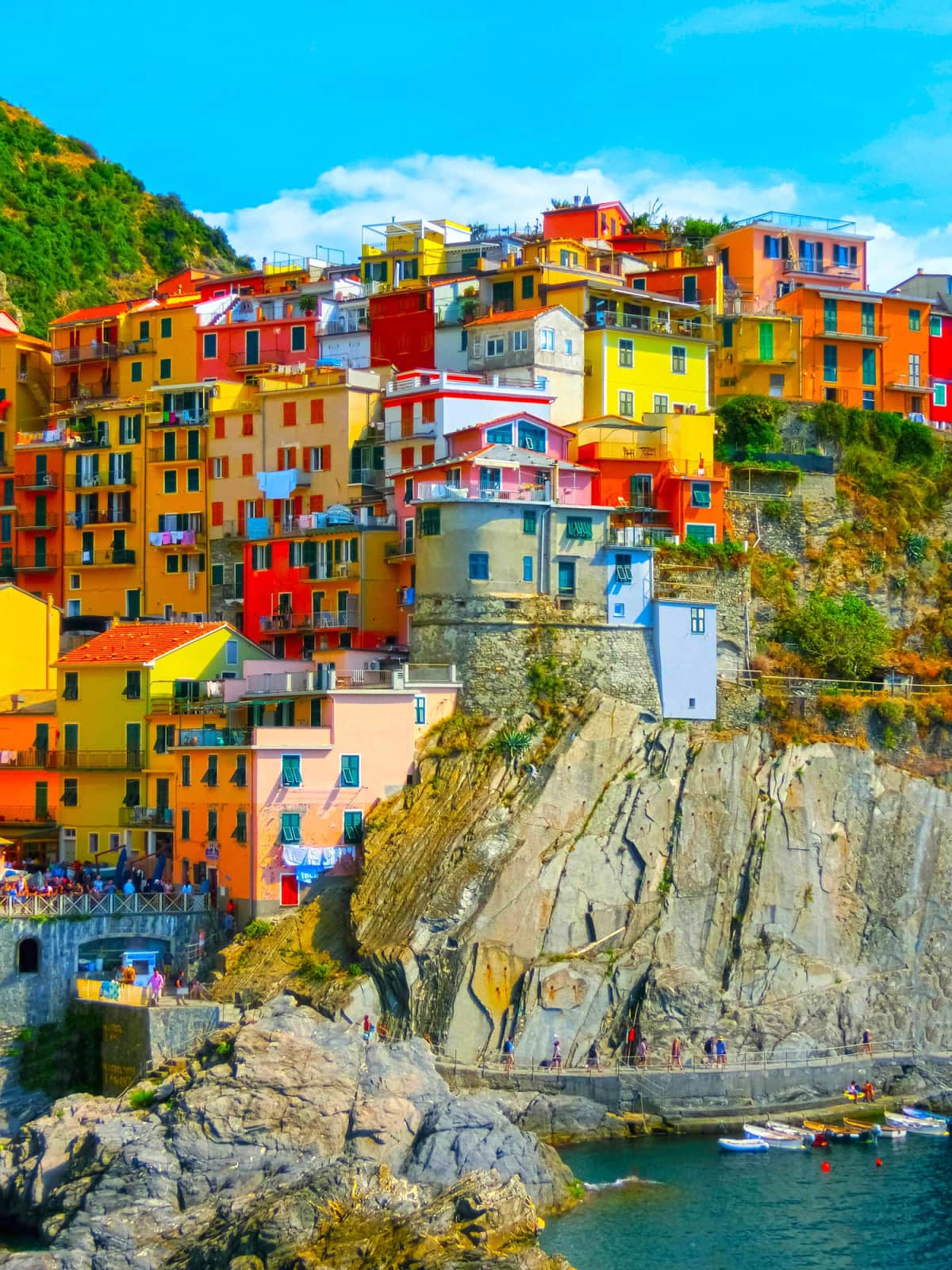
July and August feel like the natural choice. Schools are out, the days are long, and every ferry and beach bar is running. That’s exactly why so many other people pick the same weeks. You queue longer at the Vatican, pay more for rooms, and walk around Rome or Florence in heat that makes an afternoon of sightseeing feel like a chore.
Many people assume they can escape the heat by heading north. That doesn’t help much. On a typical summer day, Milan, Rome and Palermo can sit at similar temperatures, so swapping Sicily for Lombardy in August won’t cool you down much.
What to book instead: late May, June or September. The sea is warm enough for swimming in the south by June and stays that way well into September. The cities are far easier to enjoy when the stone streets aren’t radiating heat back at you at seven in the evening.
Ferragosto and holiday clusters
Ferragosto falls on 15 August, and it shapes the whole month around it.
This is when a large share of Italy goes on holiday at once. Family-run restaurants in the cities close their shutters for a week or two, and the coast fills with Italian families who have booked the same seaside towns for years. If you land in Milan around the middle of August, you may find your shortlist of trattorias closed. If you head for the beach, you’ll be competing for space with half the country.
Spring has its own pile-up. Easter moves between March and April, Liberation Day is 25 April, Labor Day is 1 May, and Republic Day is 2 June. When one of these falls on a Tuesday or Thursday, Italians often take the day in between to make a long weekend, and popular towns fill up fast.
Before you fix dates, put those holidays on a calendar and aim for the quiet weeks between them. Mid-May, once the 1 May weekend has passed, is often a good gap.
One country, many climates
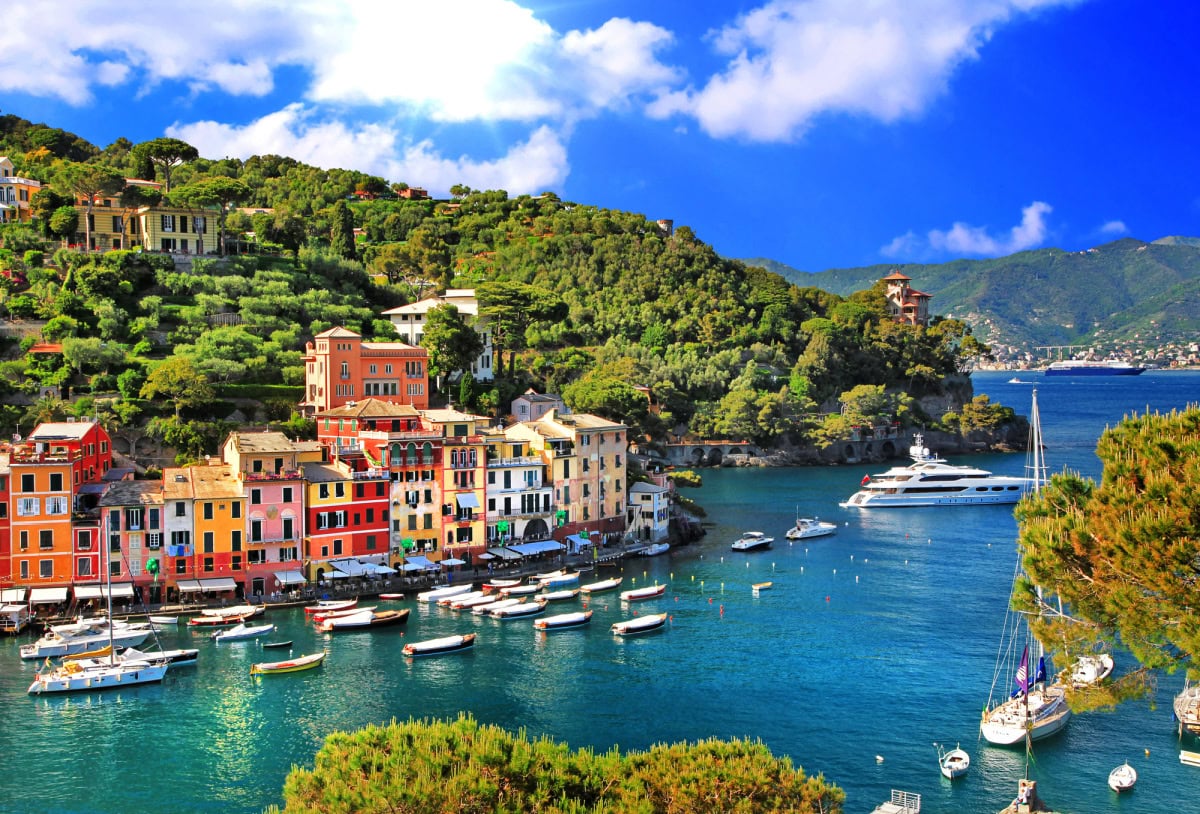
Italy stretches a long way from the Alps to the Mediterranean, and the weather follows. The gap shows most in winter. On a typical winter day, Milan might be around 6°C, Rome around 15°C and Palermo around 21°C. That’s three very different trips in the same week.
In summer the regions converge. In winter they pull apart. Temperature differences across the country are more extreme in the cold months than the warm ones, so a single packing list and a single “good month” rarely work for a route that covers north and south.
Choose the month by region, then build the route. Don’t fix a month and squeeze every region into it.
Winter in the north
Northern winters are cold and damp. Venice in fog has its fans, and the Milan opera season and Alpine ski resorts are good reasons to go. But if you book Lake Como or the Veneto in January hoping for crisp blue skies and long lunches outdoors, you’ll probably spend a lot of time indoors watching drizzle.
The south is mild and sunny at the same time of year. A winter trip to Sicily, with Palermo in the low 20s, gives you markets, archaeological sites and coastal walks without the summer crowds. If winter is when you can travel and you want light and warmth, point yourself south.
Spring and autumn thunderstorms
Spring and autumn are the right call for most trips, but they come with one thing to plan around. Northern and central Italy can get strong thunderstorms anywhere from spring through autumn. These aren’t light showers. They can soak a hillside walk in Tuscany or turn a boat trip on the lakes into a dash for shelter.
Leave some slack in your plan. Put the outdoor highlights you care about most early in the trip, so a stormy day can push them back without wiping them out. Keep a museum, a cooking class or a long lunch in reserve for the day the sky turns dark. A light waterproof takes up almost no room and saves a lot of complaining.
The Giro and local events
The Giro d’Italia, the country’s big cycling race, runs for three weeks in May. Its route changes every year, and on stage days roads are closed through towns and over mountain passes. That’s a fun spectacle if you plan for it and a frustrating one if your rental car is stuck behind a barrier.
Smaller events cause road closures too: a town festival, a marathon, a local procession. If you’re on a self-drive route through the countryside, check the Giro route and local event calendars for each place you’ll pass through before you lock in your days.
Summer weekend beaches
On summer Saturdays and Sundays, free beaches are often packed. Sometimes there’s no empty stretch of sand at all. Locals drive out from the cities for the day, and any beach within easy reach of a big town gets the brunt of it.
Swap your days around. Go to the beach Monday to Friday, and use the weekend for an inland hill town, a winery or a city museum while everyone else heads for the coast.
Amalfi in peak season
The Amalfi Coast is so popular that private cars are banned there in the summer months. That tells you how crowded the narrow coast road gets. Towns like Positano and Amalfi can feel like a queue that happens to have a view.
If the coast is on your list, go in late spring or early autumn, when the light is soft, and the crowds have thinned. Leave the car behind and use the boats and buses. Arriving by water is the prettiest way in anyway.
Best months by region
Put together, the pattern is fairly clear. Pick the region first, then match it to these windows:
- North (the lakes, Milan, Venice, the Dolomites): late May, June and September, with ski season for winter sports
- Central (Rome, Florence, Tuscany, Umbria): May away from the holiday weekends, and late September into October
- South and Sicily: spring and autumn for walking and swimming, and winter for mild, sunny city breaks
- Amalfi Coast: the shoulder months either side of summer
If you’re a teacher or group leader planning around term dates, school trips to Italy make these windows easy to use. The itinerary, transport and guides come arranged for a spring or autumn departure, so a class can see Rome or Florence in comfortable weather between the holiday clusters.
One last tip for any traveler: once your dates are set, check the opening days of the big sights you want to see. Several major museums close one weekday each week, and finding that out on the morning itself costs you a day.

- Mostyn Law Review: Handling Houston’s Range of Negligence Accident Claims - November 17, 2026
- Dulce de Leche, Alfajores, and Afternoon Tea: A Sweet Tooth’s Guide to Buenos Aires - November 17, 2026
- How to Plan a Stress-Free Thanksgiving and Holiday Season With a November Printable Calendar - November 17, 2026