If you’ve started hearing scratching in the attic, spotting droppings near the garage, or finding torn insulation, your house may be sending you an early warning. Wildlife activity around a home usually points to small access issues, easy food sources, or seasonal shelter patterns. In a place like St. Louis, where older homes, tree cover, and shifting weather create ideal conditions for animal intrusions, those signs can show up fast and get expensive even faster.
The first signs usually look minor until they stop being minor
Wildlife problems rarely begin with a dramatic moment. You usually notice something subtle first: a faint odor near a wall cavity, chirping where there shouldn’t be chirping, or smudge marks around a vent. Those clues matter because animals often settle in before homeowners realize what’s happening.
Raccoons can loosen shingles and fascia boards. Squirrels can chew wiring and compress insulation. Mice and bats leave contamination that changes indoor air quality over time. If you ignore the early indicators, you’re not just delaying cleanup. You’re giving the infestation a chance to spread deeper into structural voids, crawl spaces, and attic insulation.
A lot of expensive home repairs begin with one sound at night that seemed easy to dismiss.
St. Louis homes come with a few wildlife-specific challenges
Local housing patterns shape local pest pressure. In St. Louis, many neighborhoods have mature trees, aging roof systems, detached garages, and mixed urban-suburban wildlife corridors. That combination creates easy movement paths for squirrels, raccoons, skunks, and bats.
Missouri’s seasonal swings add another layer. Heavy storms can damage soffits, flashing, and vents, creating fresh access points. Hot summers drive animals toward shaded structures and water sources. Cold snaps push them into attics and wall voids where temperature stays more stable.
That’s part of why humane wildlife removal in St. Louis needs to be treated as a home maintenance issue, not just a one-time nuisance. You’re dealing with patterns tied to architecture, climate, and neighborhood habitat, not random bad luck.
A local response tends to work better because the pressure is local too.
Why wildlife picks your property in the first place
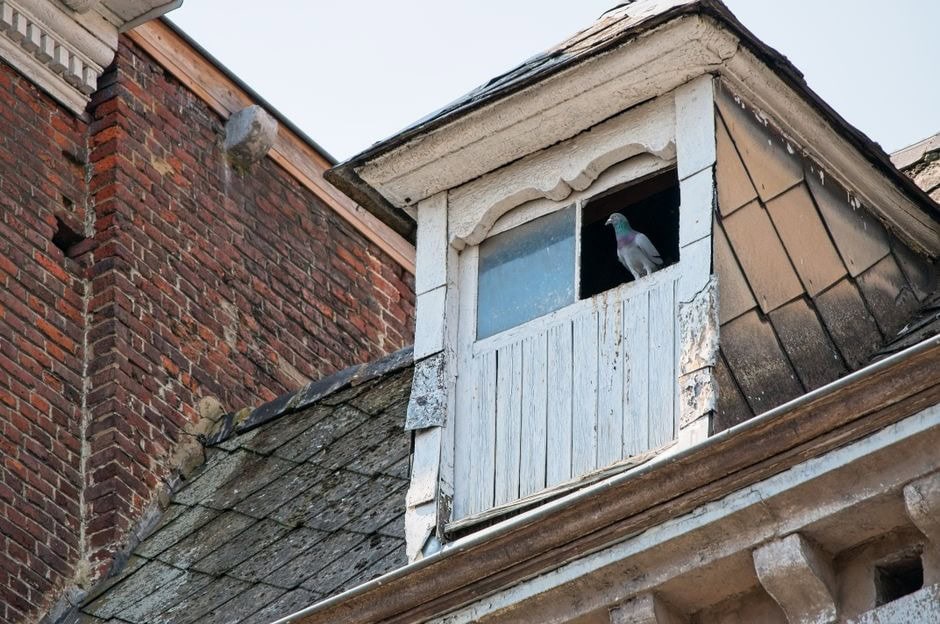
Animals don’t choose homes randomly. They look for three things: entry, safety, and food. A roofline gap the width of a thumb can be enough for smaller animals. Pet food left outside, unsecured trash, bird seed, and clogged gutters all make your property more attractive.
Season also changes animal behavior. In colder months, attics become thermal shelter. In spring, nesting activity ramps up. During dry periods, crawl spaces and shaded yards offer moisture balance and protection.
Your landscaping plays a role too. Tree limbs touching the roof act like bridges. Dense shrubs near the foundation create cover. Decorative ponds and compost bins can increase activity even when your house itself is well maintained.
Prevention works best when you view your whole exterior as an ecosystem, not just a building envelope.
Not every animal problem should be handled the same way
Homeowners sometimes lump all wildlife intrusions together, but species behavior matters a lot. A raccoon in your attic creates different risks than bats in a gable vent or squirrels in a soffit line. Trapping methods, exclusion timing, cleanup protocols, and legal considerations can all vary.
Bats, for example, often require exclusion rather than direct removal, especially during maternity season. Raccoons may become aggressive if young are present. Rodent activity can overlap with wildlife access points, which complicates treatment if you only focus on one issue.
Misidentification creates bad decisions. You might seal an opening while animals are still inside, or use a DIY repellent that does nothing except push the problem deeper into the structure.
Good control starts with inspection, species identification, and a plan built around actual behavior.
What humane removal really means in practice
Humane removal is often misunderstood. It doesn’t mean letting animals stay where they are, and it doesn’t mean using ineffective “natural” tricks from social media. In practice, it means resolving the conflict without unnecessary harm while protecting your home from repeat entry.
That usually involves live trapping when appropriate, one-way exclusion devices, safe removal of dependent young when required, and sealing active entry points after the animals are out. It also includes sanitation and restoration steps, because removal alone doesn’t solve contamination or odor trails.
A humane approach is often the smarter long-term strategy. Panicked or injured animals can damage more materials, and incomplete removal almost guarantees re-entry. The goal is control with structure: identify, remove, exclude, clean, and monitor.
That sequence protects both the property and the surrounding environment.
DIY wildlife control can go sideways very quickly
A lot of homeowners try motion lights, ammonia-soaked rags, ultrasonic devices, or hardware cloth from the nearest big-box store. Sometimes those steps create temporary disruption. They rarely solve a real intrusion if an animal is already nesting inside the house.
The biggest risk with DIY work is incomplete exclusion. If you seal only the visible hole, animals may reopen it or shift to a nearby weak point. If babies are hidden in insulation or behind wall cavities, you can create a serious odor and sanitation problem within days.
There are safety concerns too. Wildlife can carry parasites, bacteria, and diseases. Guano, urine, and nesting waste require careful handling. Ladder work around rooflines adds another layer of risk.
DIY prevention is useful. DIY removal gets much riskier once the animal is inside the structure.
What to expect from a proper wildlife control plan
A solid wildlife control plan goes beyond catching one animal. It starts with a full inspection of roof returns, vents, soffits, crawl space openings, utility penetrations, and detached structures. The goal is to identify not only the active entry point but also vulnerable secondary points.
After removal or exclusion, the next phase is repair and proofing. That can include vent covers, chimney caps, steel screening, sealing gaps, and trimming vegetation that provides roof access. If contamination is present, cleanup may involve insulation assessment, waste removal, and odor control.
You should also expect documentation and clear communication. Good providers explain what species they found, where the entry occurred, what materials need repair, and what future monitoring makes sense.
The real value is in reducing recurrence, not just ending the current noise problem.
Prevention works best when you tie it to regular home maintenance
The easiest wildlife issue to manage is the one that never starts. You can cut your risk significantly by folding prevention into seasonal maintenance. Check roof edges after storms. Inspect attic vents and crawl space screens twice a year. Trim branches back from the house. Store pet food indoors and keep garbage lids secure.
If you have fruit trees, bird feeders, or a compost setup, monitor how those features change animal traffic. You don’t need to remove every outdoor attractant, but you do need to manage them realistically. Homes that are tidy but predictable still attract wildlife if food and shelter are easy to access.
Think of wildlife prevention the same way you think about HVAC service or gutter cleaning. It’s not dramatic, but it protects expensive parts of your home from damage that builds quietly and spreads fast.
That kind of maintenance mindset usually saves money over time.

- Do Mosquitoes Go Away in Winter? 7 Things Families Can Do Before Spring - November 6, 2026
- The Modern Guide to Stress-Free Wedding Hosting - November 6, 2026
- How Small Entry Points Turn Into Serious Wildlife Problems - November 6, 2026