Quick answer
Mosquitoes don’t really go away in winter, they just wait. Below 50°F, they stop flying and hide in sheltered spots like garages and basements, and some kinds leave eggs in the soil that can stay dormant for up to two years. That’s why a quick winter cleanup around the house can mean fewer bites once spring comes.
Between holiday baking and school pickups, mosquitoes are probably the last thing on your list right now. But the cold months are the one time of year when you can get ahead of them without swatting bites while you work. Most of the jobs below take less than an hour, and plenty of them are perfect for little helpers.
Where do mosquitoes go in winter?
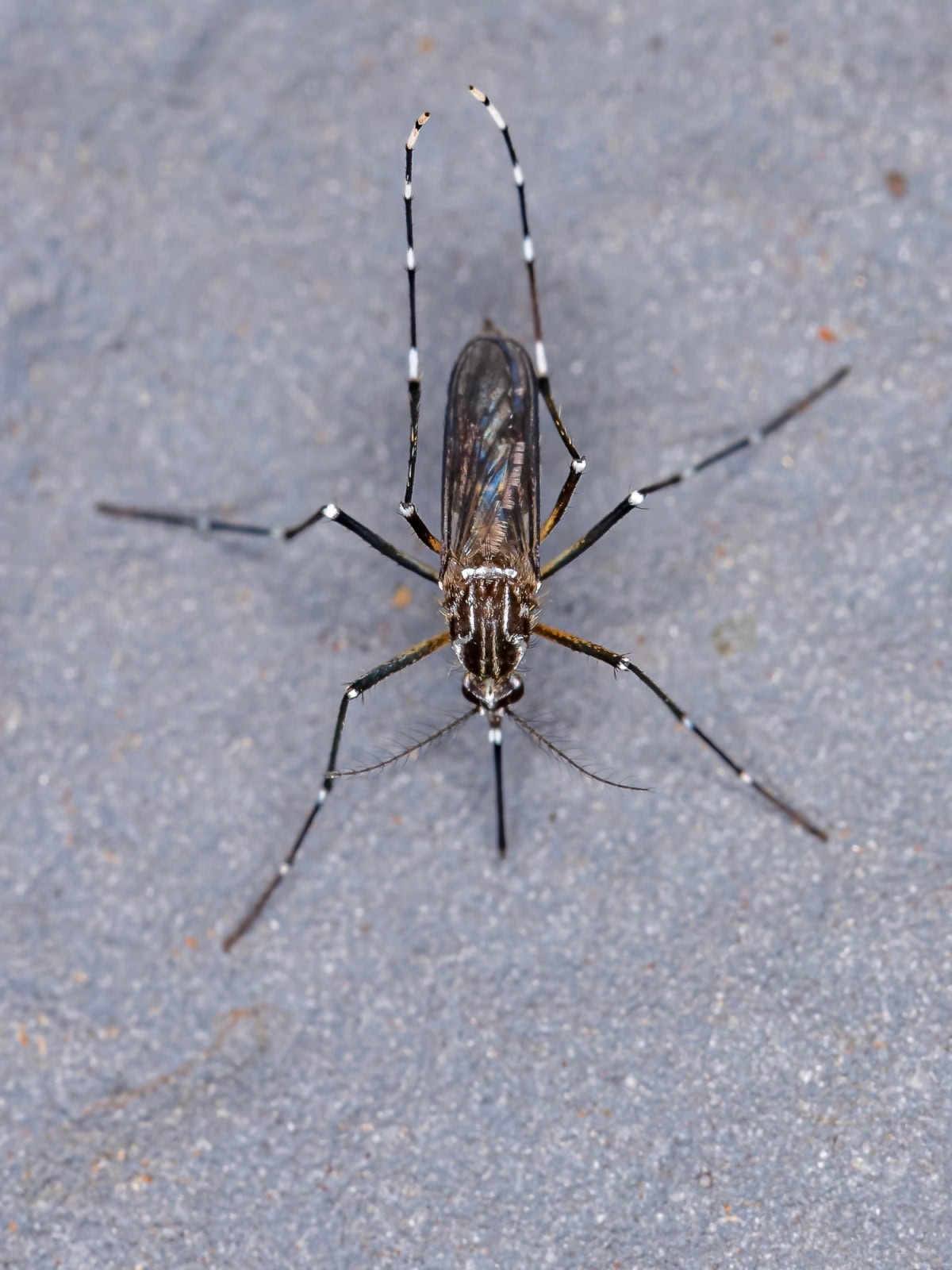
Mosquitoes spend the winter hiding in sheltered spots or waiting as eggs. According to U.S. Army public health entomologists, adults slow down as it gets colder and stop flying altogether below 50°F. Some females that have already fed go into a kind of pause, called diapause, until warm weather comes back.
Their favorite winter hideouts are warm and protected: underground drains, sheds, garages, basements, hollow logs, woodpiles, and animal burrows. Some species get through the winter as eggs laid in soil in areas that flood, where they can wait up to two years for water to return.
When should you start mosquito control for spring?
The best time to start is before temperatures climb back above 50°F, while mosquitoes are still inactive. Winter is also a good moment to decide whether you want to add a trap to your yard routine, without the pressure of a backyard full of bites. A buyer’s guide from Tougher Than Tom, whose Mosquito TNT trap needs no electricity or batteries, walks through how the main types of mosquito traps compare. It covers propane and fermentation CO2 traps, UV bug zappers, and larvicide dunks. The guide also makes a point worth keeping in mind: no single device does the whole job. Getting rid of standing water always comes first, and that’s what the list below is about.
How do you get rid of mosquitoes before spring?
You get rid of next spring’s mosquitoes by removing the water and hiding spots they’ll be looking for. Pick one or two of these steps each weekend, and you’ll be done before the first warm week.
1. Empty, scrub, and store anything that holds water
Anything that holds even a little water can turn into a mosquito nursery: buckets, sand toys, plant saucers, wagons, and birdbaths. The Shasta Mosquito and Vector Control District notes that invasive Aedes eggs can survive for years, even when dry, and recommends emptying and scrubbing containers once a week, or turning them over, covering them, or throwing them away. Make it a game: send the kids on a hunt for “water spots,” then store everything upside down or under cover until spring.
2. Check the places mosquitoes hide
Mosquitoes rest through the cold months in sheds, garages, basements, and woodpiles. Keep doors closed, seal gaps where you can, and stack firewood off the ground and away from the house.
3. Drain water from pool covers and tarps
Pool covers and tarps over the grill or the boat can hold rainwater and melted snow for weeks. Army entomologists list tarps that collect rainwater among the breeding spots to check in fall and winter. Pump or sweep the water off after every storm so it never has time to sit.
4. Clear gutters and downspouts after the leaves fall
Clogged gutters hold water in a spot nobody looks at. Clean them once the trees are bare and make sure downspouts drain freely. While you’re at it, empty the drip pans under window air conditioners.
5. Find the low spots that flood in spring
Some mosquito eggs wait in flood-prone soil until water returns, so soggy patches matter even when they look dry in January. After a heavy rain, walk the yard with the kids and mark the puddles that stick around. Filling or regrading those spots before spring removes a breeding site that would otherwise come back every year.
6. Know how long mosquito season lasts where you live
How long mosquito season lasts depends on where you live. The Florida Department of Health notes that mosquito activity in Florida can be year-round, so families in the Deep South and along the Gulf Coast should keep up with water checks all winter. In Northern California, the Contra Costa Mosquito and Vector Control District says females look for shelter in late October or November and come out again in late February or early March. In colder states, the break lasts longer, and 50°F is still the number to watch.
7. Keep pets on year-round heartworm prevention
Fewer mosquitoes in winter doesn’t mean zero risk for your dog or cat. The FDA says veterinarians strongly recommend heartworm prevention all year, points out that heartworm has been reported in all 50 states, and notes that mosquitoes can get into homes through open doors and windows. Put it on the family calendar next to the kids’ checkups so it doesn’t slip.
FAQ
Do mosquitoes die in winter?
Not all of them. Some adults hide in sheltered spots and stay inactive until it warms up, and some species survive the winter as eggs.
At what temperature do mosquitoes stop flying?
Mosquitoes stop flying below 50°F. They become active again once temperatures climb back above that, which in milder areas can be late February or early March.
Can mosquito eggs survive the winter?
Yes. Some Aedes eggs laid in flood-prone soil can stay dormant for up to two years, and invasive Aedes eggs can survive for years even when dry.
Can mosquitoes live in your house in winter?
Yes. Basements, garages, and other warm, sheltered spaces are common winter hideouts, and mosquitoes can get inside through open doors and windows.
A little winter work goes a long way.
Dump the water, clear the gutters, check the shed, and fewer mosquitoes will be waiting for your family when the weather turns. Pick a dry weekend, hand out jobs, finish with hot cocoa, and the yard is ready for spring.

- Do Mosquitoes Go Away in Winter? 7 Things Families Can Do Before Spring - November 6, 2026
- The Modern Guide to Stress-Free Wedding Hosting - November 6, 2026
- How Small Entry Points Turn Into Serious Wildlife Problems - November 6, 2026