Modern households rely on several water-using fixtures and appliances throughout the day. One person takes a shower while another starts the washing machine, and the dishwasher may already be running in the kitchen. Although a properly functioning plumbing system should handle normal daily use, operating several fixtures or appliances close together can reveal problems that might otherwise remain unnoticed.
Back-to-back water use does not automatically damage plumbing. However, it places greater short-term demand on supply lines, drains, the water heater and the main sewer connection. Understanding how these parts of the system respond can help homeowners separate normal performance changes from warning signs that deserve attention.
Multiple Fixtures Can Reduce Water Pressure
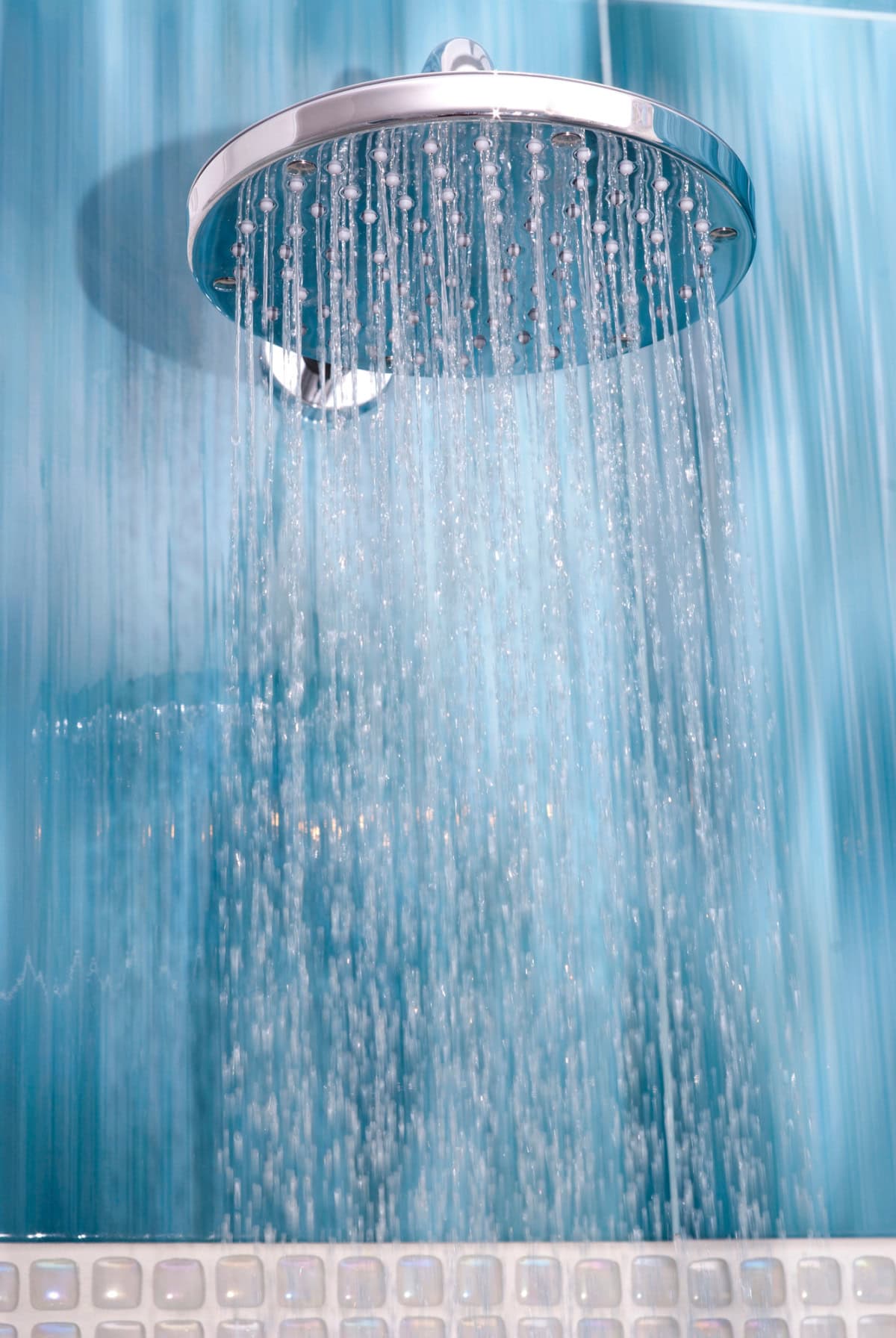
Every fixture draws water from the home’s supply system. When only one shower or faucet is running, most of the available flow can be directed toward that fixture. When a shower, washing machine, and dishwasher operate simultaneously, that flow must be divided among them.
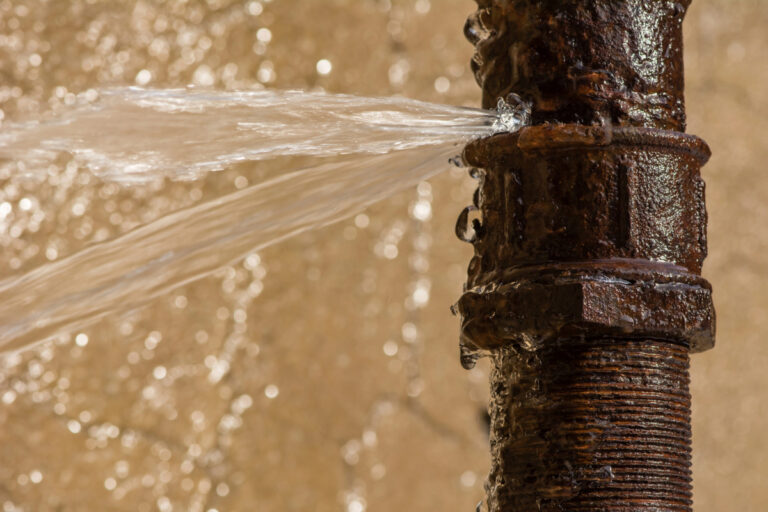
A slight reduction in pressure may be normal during periods of heavy water use. A dramatic or recurring drop may indicate another problem, such as mineral buildup, a partially closed valve, restricted supply pipes or aging plumbing that cannot comfortably meet current household demand.
The pattern of the pressure loss can provide useful clues. If pressure falls throughout the entire house, the issue may involve the main supply or pressure-regulating equipment. If it only affects one bathroom, the restriction may be closer to that fixture. Pressure that has gradually worsened over time may also suggest accumulating deposits or corrosion inside older pipes.
Hot Water Can Run Out More Quickly
Back-to-back showers place considerable demand on a conventional storage-tank water heater. Each shower removes heated water from the tank while cold replacement water enters. If the next person showers before the heater has recovered, the available water may become noticeably cooler.
Running the washing machine or dishwasher at the same time can increase this demand, particularly when either appliance uses a hot-water cycle. Occasional shortages during unusually heavy use do not necessarily indicate a malfunction. Persistent shortages, however, may mean the household has outgrown the heater’s capacity or that the equipment is no longer performing efficiently.
Sediment inside the tank can reduce the usable volume and interfere with heat transfer. A worn heating element, a burner problem, an incorrect temperature setting or a deteriorating component can also slow recovery. If hot water disappears much faster than it once did, the change may be more significant than the household’s schedule alone.
Drain Lines Must Handle the Combined Discharge
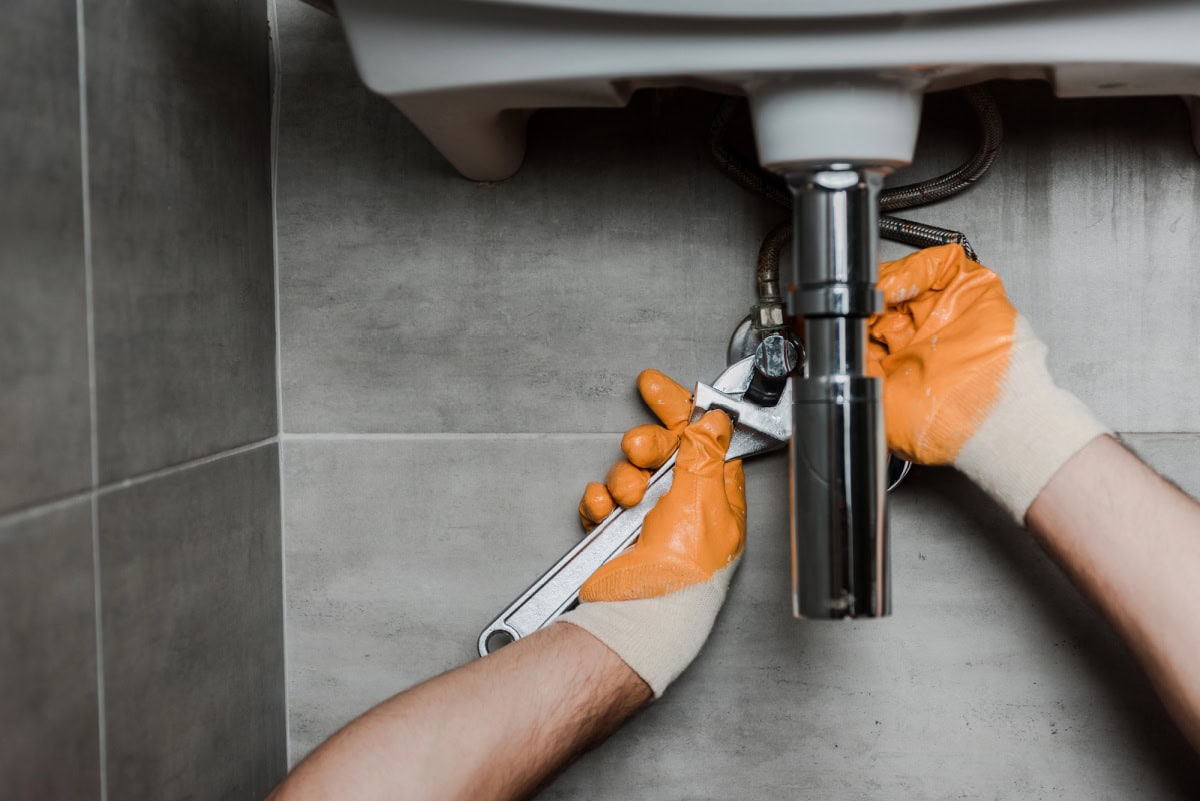
Supply lines deliver water to fixtures, while drainpipes must carry the used water away. A shower, washing machine, and dishwasher can release a substantial amount of wastewater over a relatively short period.
A healthy drainage system should generally manage this flow. However, a partially blocked line may appear to work normally when only a small amount of water enters it. Heavy simultaneous use can overwhelm the remaining space inside the pipe, causing water to drain slowly, produce gurgling sounds, or back up through another fixture.
Washing machines can be especially revealing because they discharge water rapidly. If a nearby sink, shower or floor drain begins bubbling when the washing machine empties, the drainage system may be struggling to move the sudden volume. This does not prove that the pipe is completely blocked, but it can indicate a developing restriction.
Existing Buildup Can Become More Noticeable
Grease, food residue, soap, hair, and detergent can gradually accumulate inside household drains. These materials may not stop the flow immediately. Instead, they narrow the pipe and make it harder for wastewater to pass during periods of high demand.
A dishwasher may send grease and food particles into the kitchen drain, while showers contribute hair and soap residue to bathroom lines. Laundry discharge can contain lint, dirt, and excess detergent. The waste from these fixtures does not necessarily travel through the same branch pipe, but it eventually enters larger shared drainage lines.
When several appliances operate close together, existing buildup can become more apparent. Slow drainage, recurring odors and unusual noises are often more noticeable during these busy periods because the system has less unused capacity.
Household Water Use Can Expose Hidden Leaks
Higher demand can also reveal weak connections or deteriorating components. Changes in pressure, temperature and flow may place additional stress on supply hoses, shut-off valves, fittings and appliance connections.
Homeowners should periodically examine the areas around the washing machine, dishwasher and water heater. Damp flooring, swollen cabinetry, staining, corrosion or a musty smell can indicate water escaping somewhere it should not. Washing-machine hoses deserve particular attention because they remain pressurized even when the appliance is not actively filling.
Small leaks are not always immediately visible. Water may travel beneath flooring, behind cabinets or through wall cavities before producing an obvious sign. An unexplained increase in water consumption or the sound of running water when every fixture is off may justify further investigation.
Excess Detergent Can Contribute to Drainage Problems
Using more detergent does not necessarily produce cleaner dishes or clothing. In some situations, excess product creates additional residue that must travel through the drainage system.
Too much laundry detergent can produce heavy suds and leave deposits inside the appliance or drain line. Dishwashing products can create similar issues when the wrong type or quantity is used. The correct amount depends on the appliance, product instructions, load size, and water conditions.
Using measured quantities and products designed for the appliance can reduce unnecessary residue. Homeowners should also clean appliance filters according to the manufacturer’s instructions because a dirty filter can interfere with performance and allow more debris to enter the drain.
Spreading Out Water Use May Improve Performance
When practical, leaving some time between showers, laundry loads, and dishwasher cycles can reduce peak demand. The break allows a storage water heater to recover and prevents several fixtures from discharging into the drainage system at once.
This does not mean a household must follow a strict water schedule. Instead, it can be a useful way to determine whether a symptom is related to unusually concentrated use or an underlying defect.
If spacing out activities completely resolves an occasional hot-water shortage, the system may simply be reaching its designed capacity. If pressure remains poor, drains continue gurgling, or wastewater backs up even during lighter use, the problem is less likely to be caused solely by timing.
Know Which Warning Signs Require Attention
Certain changes should not be dismissed as the normal result of a busy household. Warning signs include:
- Water backing up into a shower, sink or floor drain.
- Several drains are becoming slow at the same time.
- Persistent gurgling after an appliance empties
- Sewage or drain odors inside the home
- Sudden or severe pressure loss
- Water collects around appliances or the water heater.
- Hot-water performance is deteriorating unexpectedly.
- Repeated drain problems after temporary clearing
These symptoms can be associated with blockages, venting issues, restricted supply pipes, damaged components or problems farther along the drainage system. The cause cannot always be identified from the visible symptom alone.
While some issues become evident through visual inspection or simple tests, others, particularly those related to water quality, require more precise methods. Contaminants, mineral buildup, or unseen chemical imbalances within the water supply can contribute to plumbing failures and health concerns, yet often leave no obvious external signs.
In such instances, consulting a water testing laboratory offers a reliable way to identify these hidden problems. Such specialized analysis can pinpoint issues like elevated lead levels, hard water deposits, or bacterial presence that a general plumbing assessment might not detect, ensuring a comprehensive understanding of the water’s condition and its impact on the system.
When to Arrange a Plumbing Inspection
If problems repeatedly appear whenever several fixtures operate, a professional plumbing inspection can help determine whether the home is experiencing normal capacity limitations or a developing defect. Depending on the symptoms, the assessment may include checking water pressure, appliance connections, shut-off valves, visible pipework, drainage performance and water-heating equipment.
The goal is not to assume that major repairs are required. It is to identify the source of the problem before repeated pressure loss, slow drainage or minor leakage develops into a more disruptive situation.
Back-to-back showers, laundry loads and dishwasher cycles are part of everyday life in many homes. A well-maintained plumbing system should generally accommodate these routines. When heavy use consistently produces backups, severe pressure changes or unusual sounds, the household schedule may simply be exposing a problem that was already beginning to form.

- The House Can Look Fine While the Roof Is Quietly Losing the Fight - October 14, 2026
- Smart Ways to Plan Time Off Work for Breast Augmentation Surgery - October 14, 2026
- Is Laser Hair Removal Worth It? 5 Ways It Saves Time and Money Long-Term - October 14, 2026