The idea that facelifts are only for people in their sixties or seventies has been shifting for a while, and for good reason. In Newport Beach and across the broader Southern California coast, where the combination of sun exposure, an active lifestyle, and a culture that values a polished appearance accelerates how quickly aging concerns show up, more people in their forties and early fifties are having real conversations about whether a facelift makes sense for them earlier than they expected.
The short answer is that it depends entirely on the individual. But for a growing number of people, the answer is yes — and understanding when and why helps demystify a procedure that still carries more misconceptions than it deserves.
What’s Actually Happening When the Face Ages Early
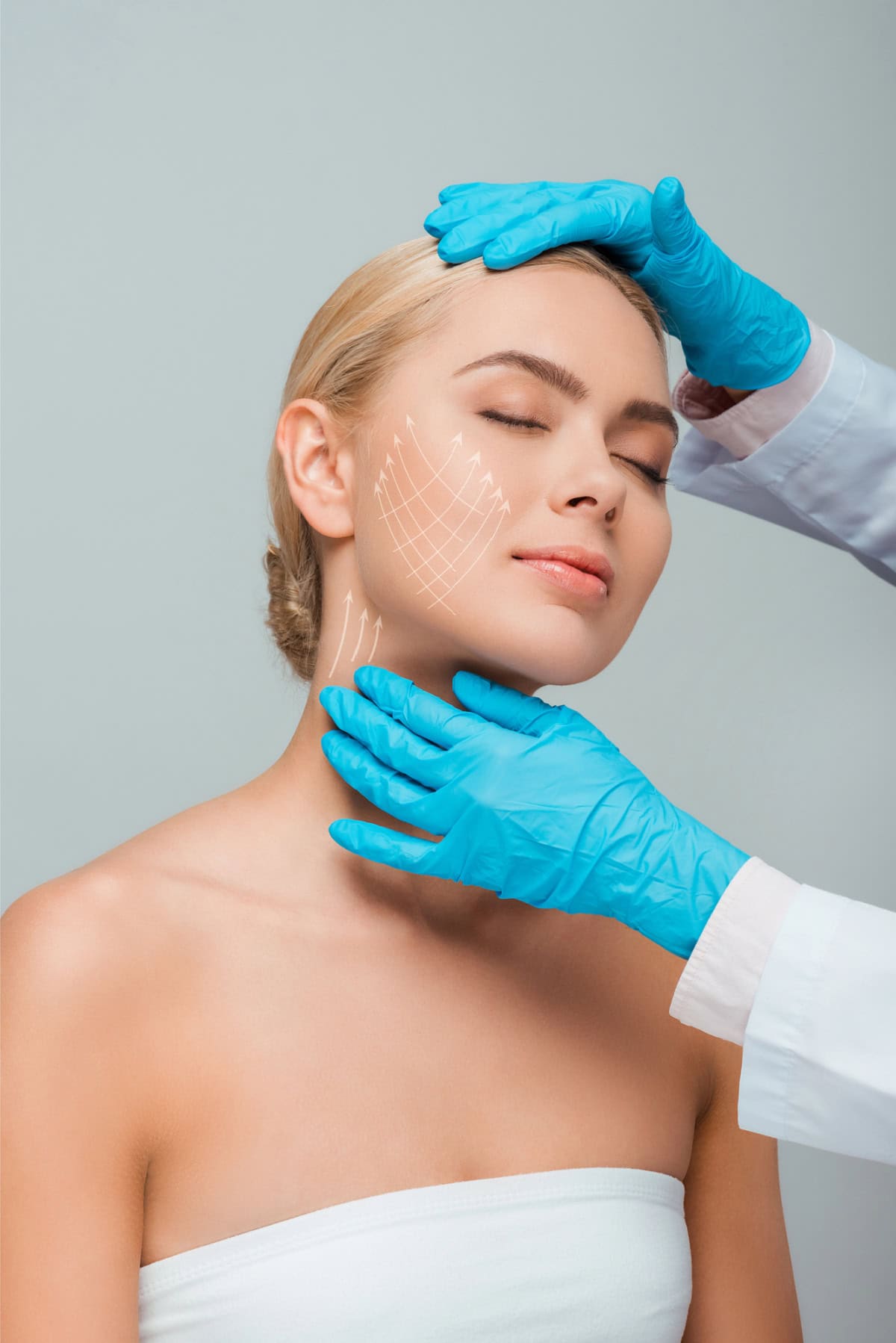
Facial aging isn’t a single event — it’s a combination of processes that happen at different rates in different people. Skin loses collagen and elasticity, which leads to surface texture changes and fine lines. Volume loss from the midface, temples, and under-eye area gives the face a hollowed-out or deflated appearance. And perhaps most significantly, the structural tissues that support the face — the muscle layer and the fibrous connective tissue beneath the skin — loosen and descend, creating jowling along the jawline and laxity in the neck. Understanding these underlying changes is especially important if you’re getting a facelift, as a comprehensive surgical approach can address both skin laxity and deeper structural support for more natural, long-lasting rejuvenation.
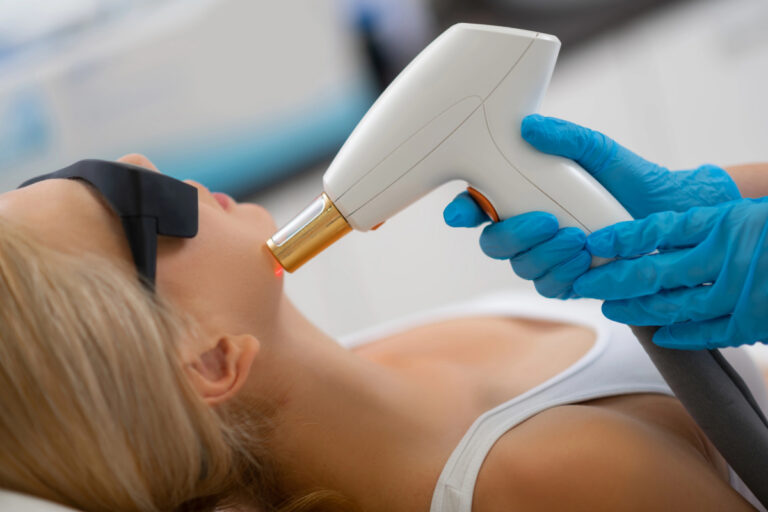
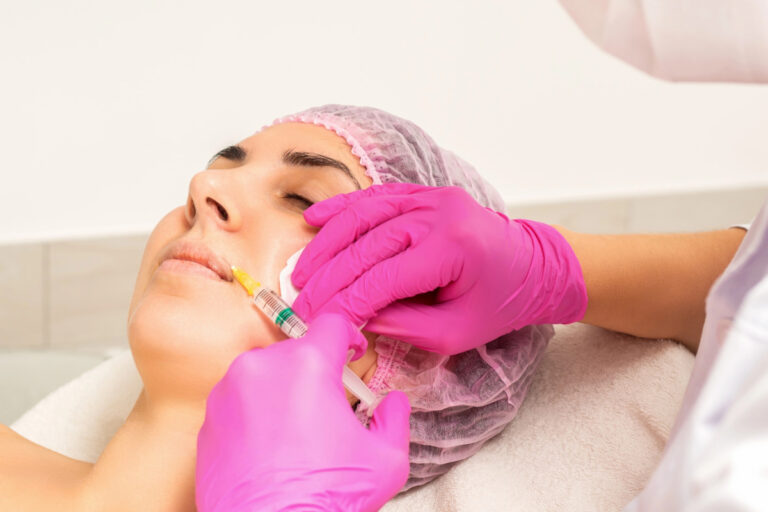
Non-surgical treatments address some of these changes well. Injectables restore volume. Laser and energy devices improve skin texture and tone. But none of them can reverse structural descent — the sagging and repositioning of deeper tissues that’s responsible for the most visible signs of facial aging. That’s the specific territory where facelift surgery operates.
Why Earlier Can Sometimes Mean Better Results
There’s a compelling case for addressing facial laxity before it becomes severe, and it has to do with the quality of the tissues being worked with. Patients in their mid-forties to early fifties generally have better skin elasticity than patients who wait until their late sixties — which means the skin redrapes more naturally after surgery, healing tends to be smoother, and the results look less like correction and more like a genuinely refreshed version of the patient’s own face.
Earlier intervention also means the changes are more subtle, which is often exactly what people want. A facelift performed when laxity is moderate rather than advanced produces a result that looks like you’ve slept well and taken good care of yourself — not like you’ve had surgery. That natural, understated quality is what most patients are actually after.
For patients thinking seriously about facial rejuvenation, choosing a surgeon with a refined understanding of facial anatomy is essential. Those exploring a facelift in Newport Beach will find an experienced and meticulous approach to facial rejuvenation. Wirth Plastic Surgery focuses on achieving natural-looking results that enhance a patient’s features without creating an overdone appearance.
What a Modern Facelift Actually Involves
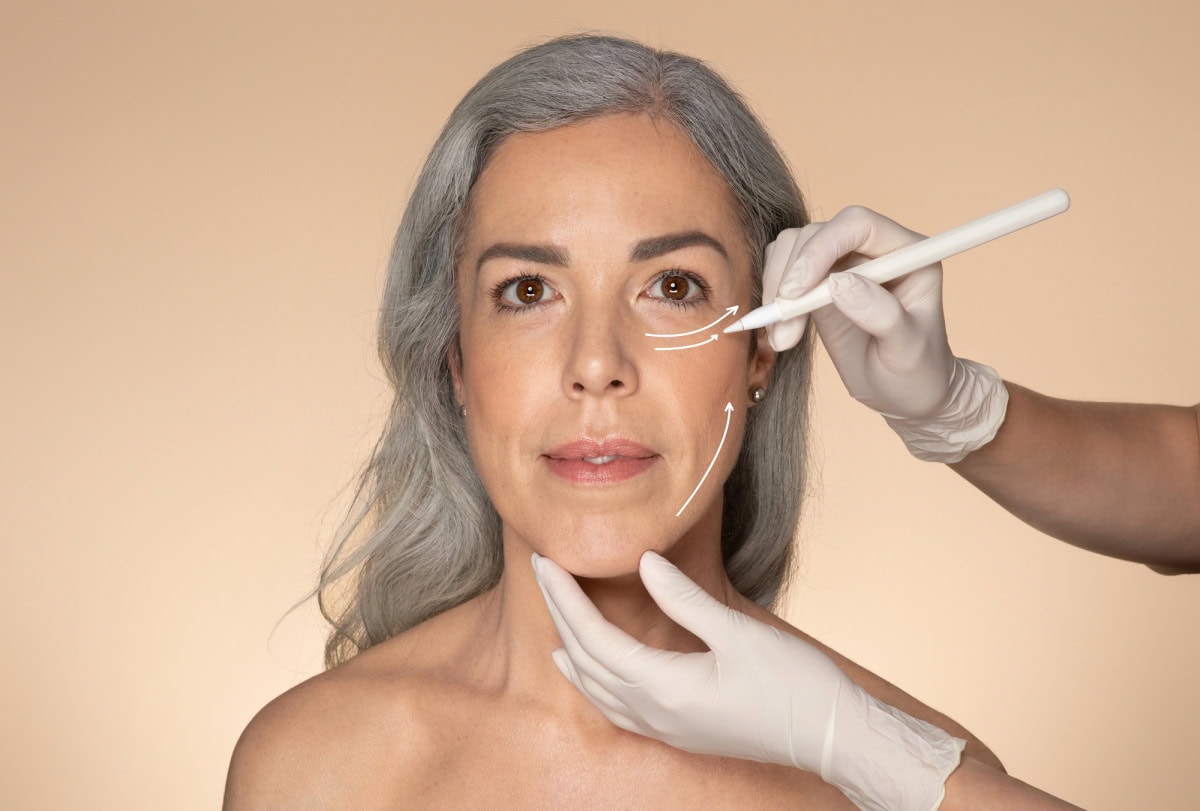
Modern facelift techniques have moved significantly beyond the skin-only procedures that gave the surgery its dated reputation. Contemporary approaches address the SMAS — the muscular layer beneath the skin — repositioning the structural foundation of the face rather than just pulling the skin tighter. This produces a more natural, longer-lasting result and eliminates the tight, windswept appearance associated with older techniques.
The procedure is typically performed under anesthesia in an accredited surgical facility and takes two to four hours depending on the scope. Incisions are designed to sit along natural creases and within the hairline, making scarring very difficult to detect once healing is complete. Most patients are comfortable being seen in public within two weeks, with final results continuing to refine over several months.
Combining a Facelift With Other Procedures
Many patients choose to combine a facelift with complementary procedures that address areas the lift doesn’t fully cover. A neck lift is the most natural pairing — the two procedures together address the full lower face and neck as a connected unit, which produces the most seamlessly rejuvenated result. Brow lifting, eyelid surgery, and fat grafting to restore volume in depleted areas are also commonly combined.
The advantage of combining procedures is a single recovery period and a more cohesive overall result. The appropriateness of combining depends on the patient’s health, anatomy, and goals — all of which a thorough consultation will address.
Is It Too Early to Have the Conversation?
One question people often have is whether it’s premature to even start exploring a facelift if they’re in their early to mid-forties. The answer is almost always no. A consultation at that stage isn’t a commitment to surgery — it’s information. A skilled surgeon will tell you honestly whether surgical intervention makes sense for you now, whether non-surgical options are still sufficient, or whether it makes more sense to wait another few years.
That kind of honest, unhurried conversation is genuinely useful even if the outcome is “not yet.” You come away with a clearer understanding of what’s happening with your face, your options, and the right timeline for your specific situation.
Conclusion
A facelift isn’t a decision for a specific age — it’s a decision for a specific set of circumstances. When structural facial descent has progressed to the point where non-surgical options no longer keep pace, and when someone is in good health with realistic expectations, surgical rejuvenation can produce results that are genuinely meaningful and lasting.
For people in their forties and fifties who are noticing early laxity and want to address it proactively, the conversation is absolutely worth having — earlier, as it turns out, often means better.

- The House Can Look Fine While the Roof Is Quietly Losing the Fight - October 14, 2026
- Smart Ways to Plan Time Off Work for Breast Augmentation Surgery - October 14, 2026
- Is Laser Hair Removal Worth It? 5 Ways It Saves Time and Money Long-Term - October 14, 2026