Have you ever wondered what actually happens to your skin during a chemical peel—and why some people swear by the results while others feel unsure about the process?
It’s one of those treatments that sounds simple on the surface, yet involves a series of changes beneath the skin that aren’t always obvious at first glance. From uneven tone to fine lines and texture concerns, people usually start exploring peels when their regular skincare routine stops delivering noticeable improvement.
In places like Orlando, where skin treatments are widely explored across age groups, curiosity about chemical peels often stems from a desire for something more effective yet still controlled. It’s not just about exfoliation—it’s about how the skin renews itself after the treatment. Understanding what actually happens before, during, and after a peel can make the entire process feel far less uncertain.
Below are six key things to expect if you’re considering a chemical peel.
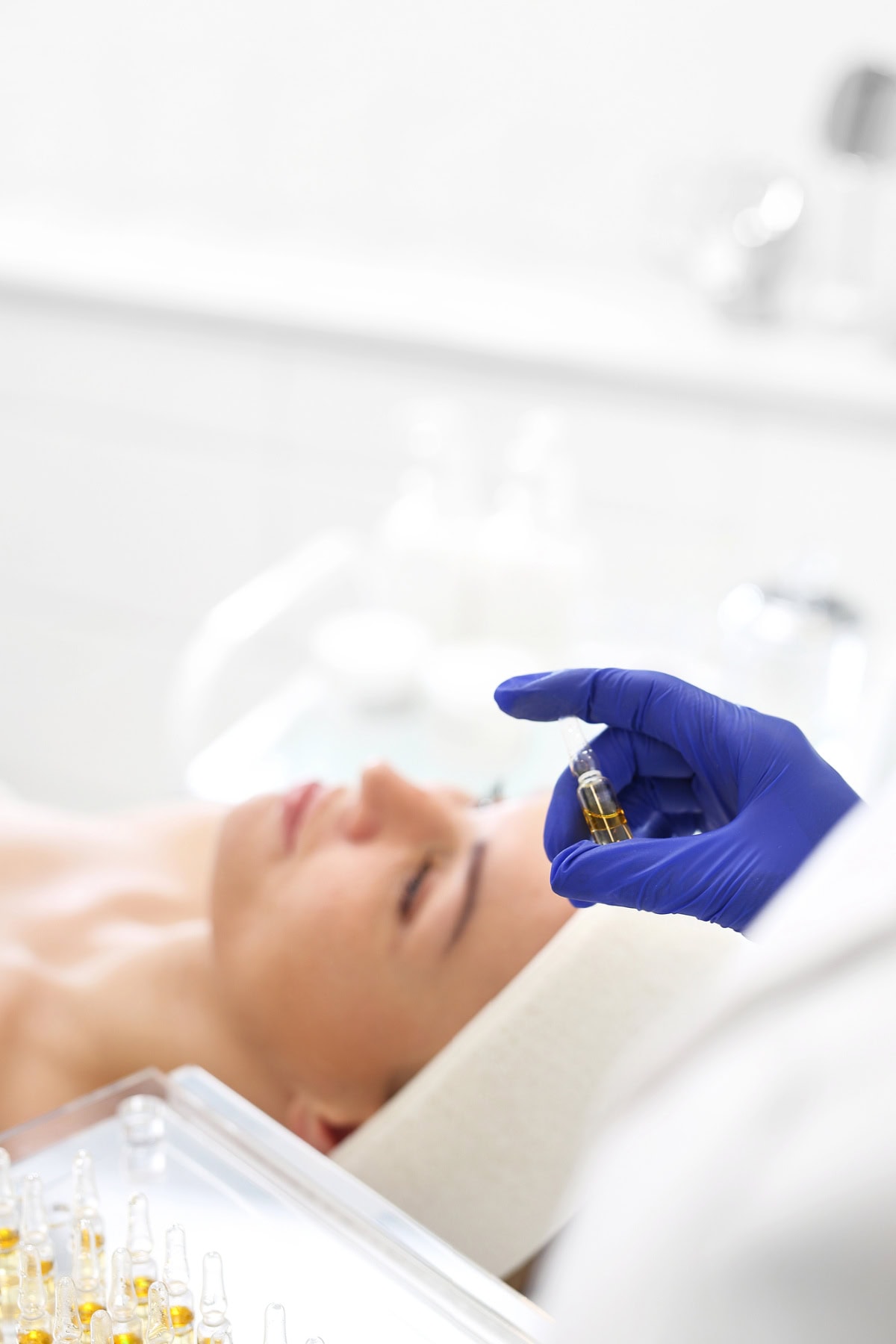
1. Skin Concerns Usually Go Deeper
One of the first things people notice is uneven texture, dullness, or discoloration that doesn’t improve with regular skincare. This happens because dead skin cells build up over time, slowing natural cell turnover and preventing fresh skin from coming to the surface.
That pattern often leads people to begin exploring treatments like chemical peels in Orlando when at-home products no longer seem to improve tone or clarity. At that stage, consultations tend to focus on identifying how deep those concerns go rather than just what’s visible on the surface.
That layered approach is reflected in how specialists at trusted places like Oppenheimer Plastic Surgery evaluate skin condition and select peel types based on depth, sensitivity, and long-term skin behavior. That initial assessment becomes the starting point for understanding what their skin actually needs.
2. Not All Chemical Peels Feel the Same
There’s a common assumption that every peel involves intense peeling or discomfort, but the experience can vary widely depending on the type used. Lighter peels tend to feel more like a mild tingling or warming sensation, while deeper treatments can create a stronger, more noticeable reaction during application.
What’s interesting is that the sensation doesn’t always correlate with the final result. A lighter peel might involve minimal discomfort but still produce a visible improvement over time, especially with repeated sessions.
The treatment itself is usually quick. The solution is applied evenly, left on for a controlled period, and then neutralized or removed, depending on the formulation. That controlled process is what allows practitioners to tailor the experience, adjusting strength and duration based on individual skin response rather than following a fixed formula.
3. Peeling Isn’t Always Dramatic
People tend to imagine sheets of skin visibly peeling away, but in reality, the process can be much more subtle. Some experience light flaking, while others notice dryness or tightness rather than obvious peeling.
This variation comes down to the depth of the peel and how the skin responds. Superficial treatments may result in a gentle refresh, while deeper peels can lead to more noticeable shedding over several days.
What matters more than visible peeling is the underlying renewal. The goal is to encourage new skin cells to replace older, damaged ones, even if that change isn’t dramatic on the surface. In some cases, the most effective treatments are the ones that quietly improve skin quality without drawing attention during recovery.
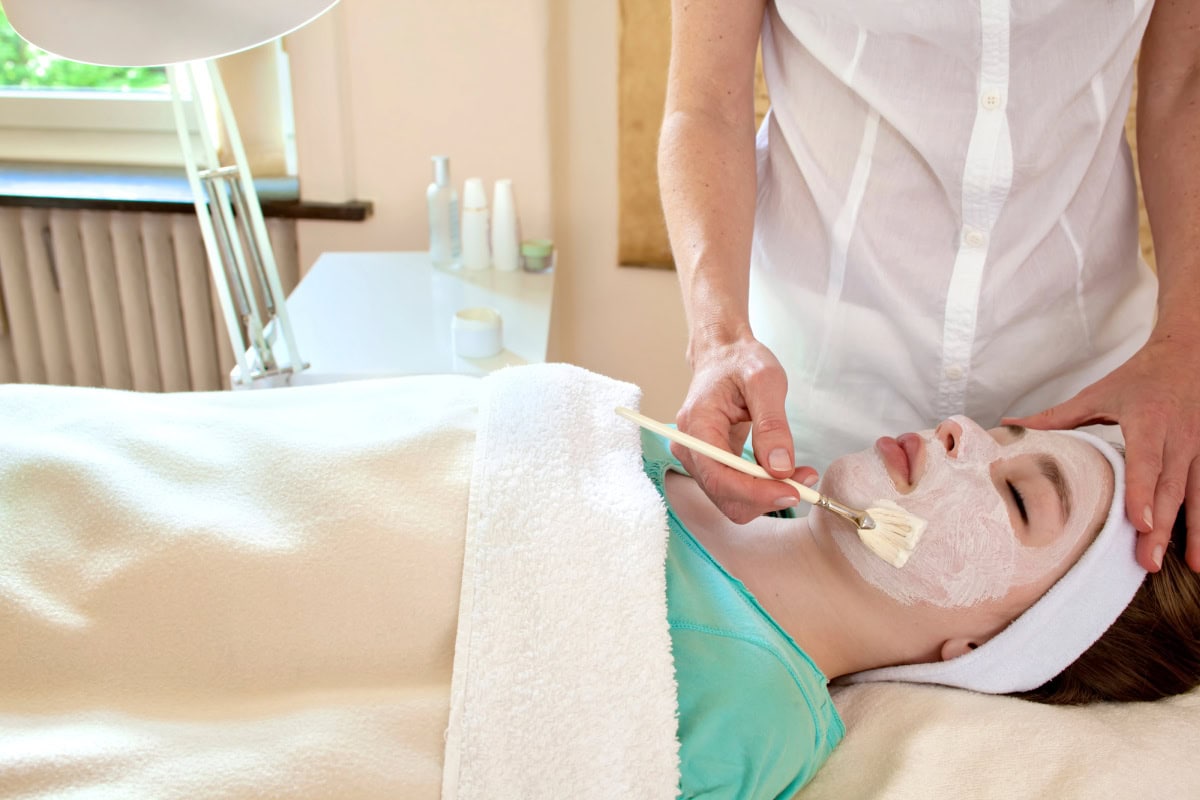
4. The Days After Require a Shift in Routine
Post-treatment care plays a larger role than many expect. Skin tends to be more sensitive after a peel, which means daily habits need small but important adjustments. This might include avoiding direct sun exposure, using gentler cleansers, and keeping the skin well-hydrated. Even products that normally feel mild can cause irritation during this period.
It’s less about adding new steps and more about simplifying the routine to support healing. Giving the skin space to recover allows the results to develop more evenly. Those few days of adjustment can significantly influence how the skin looks and feels once the renewal process is complete.
5. Results Build Over Time
While some improvement can be seen fairly quickly, the full effect of a chemical peel tends to develop gradually. As the skin continues to regenerate, texture and tone become more refined over the following weeks.
This is why a single treatment may not tell the whole story. A series of peels, spaced appropriately, usually leads to more consistent and noticeable results.
The gradual nature of improvement can actually be an advantage. It allows changes to appear more natural, without the sudden shift that sometimes comes with more aggressive treatments. Over time, that steady progression tends to create a smoother, more balanced appearance.
6. Long-Term Skin Behavior Matters More
A chemical peel isn’t just a one-time reset—it’s part of how the skin can be maintained over time. Factors like sun exposure, hydration, and overall skincare habits continue to influence results long after the treatment.
People who see the most benefit usually integrate peels into a broader approach rather than relying on a single session. This might mean periodic treatments combined with consistent daily care.
What stands out is how the skin adapts. With the right approach, it can become more responsive, making future treatments more effective and predictable. That longer-term perspective tends to shift the focus from quick fixes to sustainable improvement.
Conclusion
A chemical peel may seem straightforward at first, but the process involves more than just applying a solution and waiting for results. From the initial assessment to post-treatment care, each step contributes to the skin’s response and recovery.
What makes the experience worthwhile isn’t just the immediate outcome, but the way it encourages the skin to renew itself over time. Understanding what to expect—both during the treatment and in the days that follow—can make the decision feel more informed and less uncertain. For anyone considering a chemical peel, that clarity tends to be the difference between hesitation and confidence.

- How to Plan a Summer Dinner Around the Weather - September 17, 2026
- How to Choose Door Hardware That Works With Your Interior Style - September 17, 2026
- Want Stronger, Healthier Hair? Check Your Diet Before Buying More Products - September 17, 2026