The idea usually starts at pickup. Someone notices the old climber has a cracked step, someone else mentions the kindergartners have nowhere to play, and within a week there’s a group text with thirty parents in it and no plan. Everyone cares. Nobody agrees on what comes first.
A school playground project can pull a parent community closer or split it into camps. The difference rarely comes down to money or equipment. It comes down to whether people feel heard early, whether decisions are made in the open and whether every volunteer knows what they’re responsible for. This guide walks through how a parent group can turn that first burst of enthusiasm into a project that actually gets built.
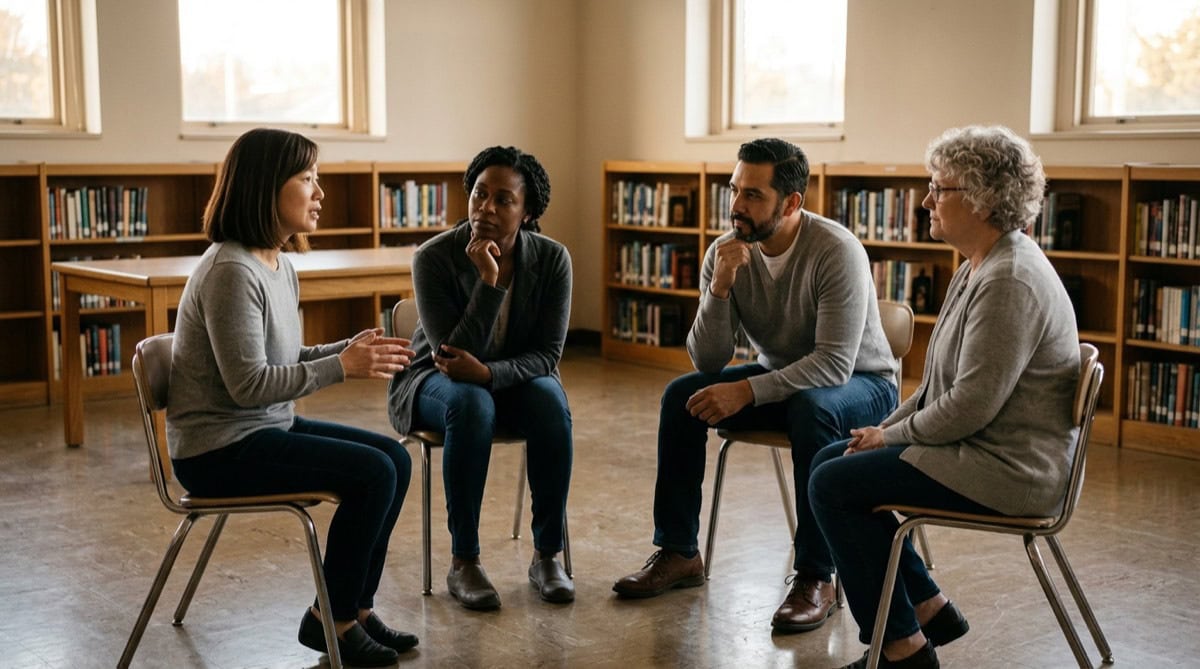
Step 1 – Start With a Short Listening Survey
Before anyone sketches a dream playground, ask families and teachers what they need. A short survey sent home and shared at drop-off gives quieter parents a voice, and it gives you something better than the loudest opinion at the first meeting.
Keep it to a handful of questions so people finish it:
- Which age groups use the current playground most
- What children ask to play that the space can’t offer now
- Whether any child needs better access or quieter areas
- When parents could realistically help over the next year
If your school community speaks more than one language, translate the survey and offer a paper copy. The families who are hardest to reach online often have children who rely on the school playground most, and their answers matter just as much.
Ask teachers and recess staff as well. They see which corners stay empty, where children crowd and where arguments start. Their answers often change the plan more than any catalog will.
Share why the project matters while you collect answers. The CDC says that children and adolescents 6 to 17 need at least 60 minutes of activity every day. Recess gives many kids a chance to get part of that during the school day. That gives parents a shared reason to care, even if their own child prefers the library to the monkey bars.
Step 2 – Turn Wish Lists Into Shared Priorities
The survey will return more ideas than any budget can cover, and that’s useful. A long list shows you what families value, and grouping it shows you where they already agree.
Sort every request into a few themes, then share the results at an open meeting. Parents who see their idea listed, even if it doesn’t make the final cut, are far more likely to stay involved.
Put Safety and Access First
Agree early that safety and access aren’t up for a vote. If a child uses a wheelchair or walker, the playground needs to work for them from day one, not in a later phase. Settling this first takes the heat out of later debates.
Serve the Children Who Are There Now
A design that suits a sibling at another school may not suit this one. Look at enrollment by grade and match the play value to the children who will use it most over the next five years.
Choose What Will Still Matter Later
Trends come and go. Ask which pieces children will still use after the novelty fades, and favor those over one striking feature. When the group can’t agree, write the reasons behind each choice in the meeting notes so newcomers understand how decisions were made.
Step 3 – Measure the Site and Research Equipment Together
Measuring the actual space keeps the conversation honest. A wish list built around a corner of the field that’s really forty feet shorter than everyone guessed will collapse the moment a supplier asks for dimensions.
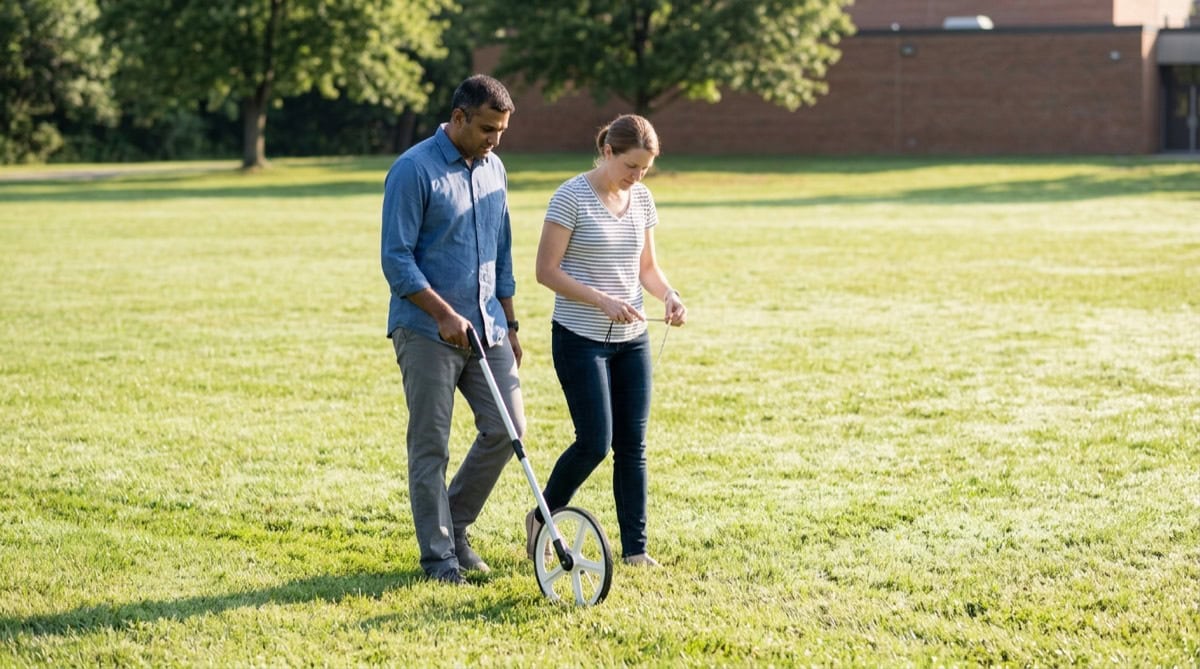
Send two or three parents out with a measuring wheel and the school’s facilities contact. Note slopes, drainage, shade, fences and where the doors open. Then share a simple sketch with the group so everyone works from the same picture. When the research team starts comparing pieces, have them note the installed perimeter each one needs, as the listings for new school playground equipment at WillyGoat show alongside each piece. Mark those perimeters on your sketch before anyone falls in love with a structure, because the clear space around equipment often takes more room than the equipment itself.
Bring two or three layouts to the next meeting rather than one. Parents can compare trade-offs, and nobody feels the decision was made before they arrived. Ask the principal or district facilities staff to review the layouts before you vote, since they’ll know about utilities, drainage plans and district approval steps you may not.
Step 4 – Build a Budget That Covers Surfacing and Borders
A realistic budget includes the ground under the equipment, not just the structures on top. Groups often price the climber, celebrate hitting the target and then discover the surfacing costs almost as much again.
The surface isn’t optional. The Consumer Product Safety Commission’s handbook states that concrete, asphalt, or other hard surfaces should never be directly under playground equipment. Grass and dirt don’t count as protective surfacing either, because wear quickly reduces how well they absorb a fall. Budget for the surfacing, borders to hold loose material in place, delivery and installation, plus a reserve for surprises found once the ground is opened up.
Break the total into phases if you need to. A finished, safe first phase builds more trust than a half-built larger one. Publish the budget in plain numbers to every family, along with what each phase includes, so donors know exactly what they’re paying for.
| Top Tip: Ask your school or district what they’ll pay for before you start fundraising. Some will cover surfacing, removal of old equipment or installation labor if asked early. Knowing this up front can shrink your fundraising target and keeps parents from raising money for something the district would have handled anyway. |
Step 5 – Plan Fundraising Parents Can Actually Join
The best fundraising plan has several ways to contribute, because families differ in time, money and confidence. A single big gala asks a lot from a few people. A mix of smaller efforts lets almost everyone take part.
Offer a range of ways to help:
- A family fun run or walk with a small entry fee
- A local business outreach drive led by two or three parents
- A grant search team that tracks deadlines and requirements
- A simple online donation page with a visible progress tracker
Check your school’s rules on fundraising before you launch anything. Many districts have policies on online donations, raffles and how funds are held, and following them from the start saves awkward conversations later. Assign one treasurer to track every dollar, and report progress at each meeting.
Thank people quickly and specifically. A short note naming what a donation or a Saturday of work made possible does more for the next round of giving than any reminder email. Keep a simple list of everyone who helped so nobody gets missed when the project is finished.
Step 6 – Give Every Volunteer a Clear Role
Clear roles keep volunteers coming back. Most parent groups lose helpers not from lack of goodwill but from confusion: people show up, don’t know what to do and quietly stop showing up.
Write a short role list with a named lead for each area, such as communications, fundraising, research, school liaison and build day. Give each lead one clear deadline rather than a vague area of responsibility. Newer parents can shadow a lead before taking on a role of their own.
On fundraising and build days, it helps when people can spot the organizers at a glance. A volunteer committee might order a run of Swagprint’s matching custom t-shirts so families know who to ask for directions or supplies. Collect sizes through your sign-up form and place the order well ahead of the event, so shirts can be handed out at the volunteer briefing.
Matching shirts also make the effort visible in photos you share with donors afterward. Families who couldn’t volunteer see their neighbors at work, and some of them will sign up next time.
Your First Parent Meeting Starts With One Question
A playground project works best when parents feel it belongs to all of them. That sense of ownership grows when people are asked before they’re told, and when each person has a job they can finish.
You don’t need a design, a budget or a committee to begin. Draft a five-question survey this week and ask the principal if you can send it home with students. The answers will tell you who wants to help and what the children actually need, and that’s the strongest foundation any playground can have.
Frequently Asked Questions
How do we keep a few loud voices from taking over the project?
Start with a written survey so every family can share ideas, not just those who attend meetings. Then share the grouped results openly and record the reasons behind each decision.
What should a playground budget include besides the equipment?
It should include surfacing, borders, delivery, installation and a reserve for surprises. Ask your school or district early what they’ll cover, since that can lower your fundraising target.
How many volunteer roles does a parent group need?
Most groups do well with leads for communications, fundraising, research, school liaison and build day. Each lead should have one clear deadline so volunteers know exactly what they’re responsible for.

- 6 Ways To Turn Movie Night Into An Event - November 18, 2026
- How to Help Your Child Feel Welcome on a New Volleyball Team - November 18, 2026
- How to Bring Parents Together Around a School Playground Project - November 18, 2026