Your child has been quiet in the car since you mentioned the first practice. Maybe they’ve just moved schools, maybe they’re joining a club team where everyone already knows each other, or maybe they’re new to volleyball altogether. Either way, the gym doors can feel very heavy when you don’t know anyone on the other side.
Feeling welcome on a new team doesn’t happen by chance. It grows from small things: an honest conversation at home, a name remembered at practice, a coach who knows a little about the new player and a parent who helps without hovering. This guide covers what parents can do before and during the first few weeks so a child can settle in, enjoy the sport and start to feel part of something.
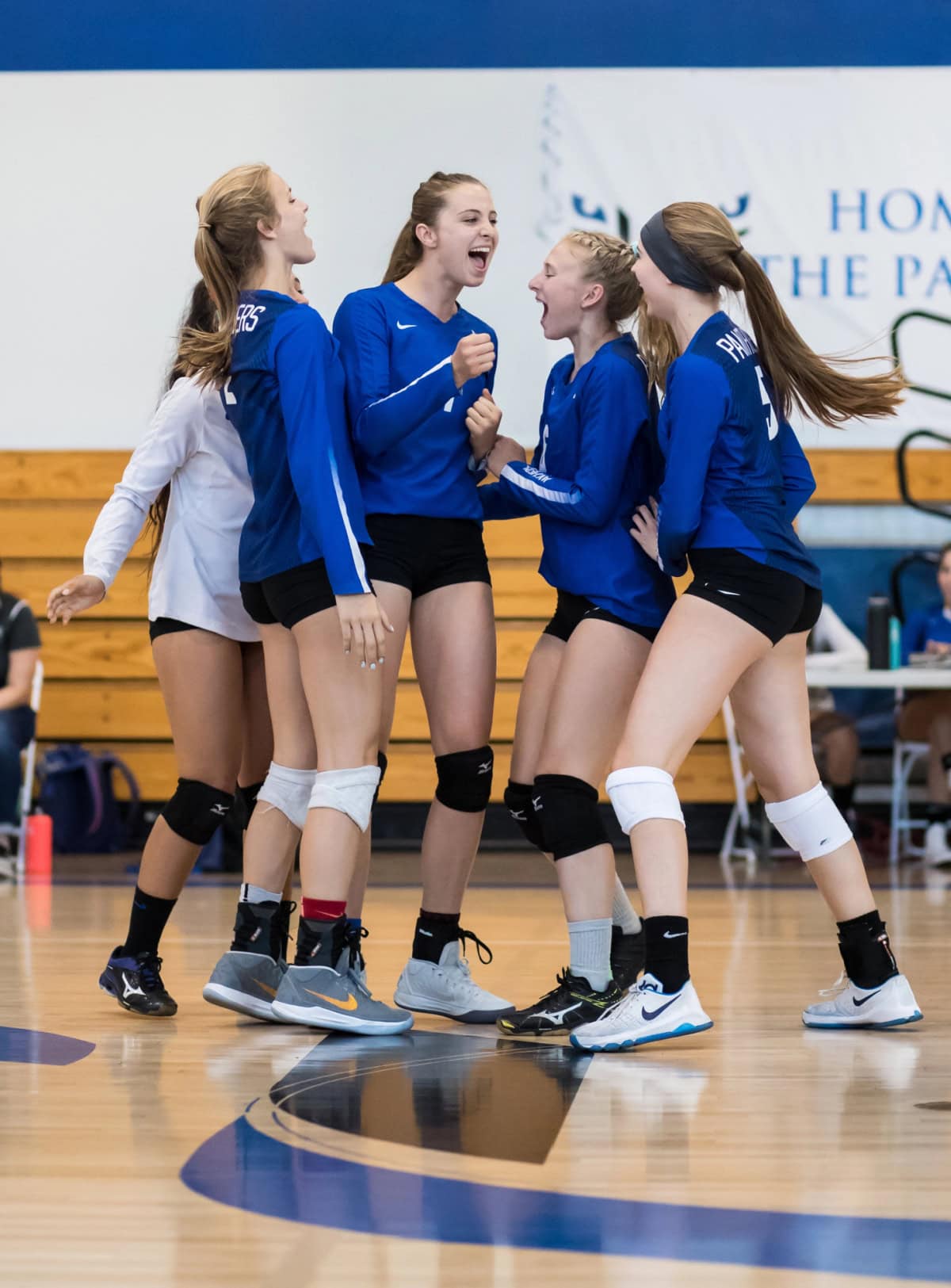
Step 1 – Talk About Feelings Before the First Practice
The first step is an honest conversation about how your child feels, before the practice schedule takes over. Children often worry about things adults wouldn’t guess, such as where to stand during warm-ups or whether they’ll be the only one who can’t serve overhand.
Pick a relaxed moment, such as a walk or a drive, rather than sitting them down for a serious talk. Ask open questions like “What are you looking forward to?” and “Is there anything you’re not sure about?” Then listen without rushing to fix every worry. Name the nerves out loud as normal, and share a time you felt the same way joining something new.
It helps to remind them why the effort is worth it. The U.S. Department of Health and Human Services lists higher levels of self-esteem and confidence among the benefits young people can get from playing sports. Your child doesn’t need to hear statistics, but they might like to know that the nervous first week is part of how that confidence grows.
Step 2 – Set Realistic Expectations Together
Realistic expectations protect a new player from disappointment in the first month. A child who expects to start every game, or to have a best friend by Friday, may feel they’ve failed when neither happens.
Talk through what the first few weeks are likely to look like. Be honest and positive at the same time, so your child knows that a slow start is normal rather than a sign they don’t belong.
Playing Time
New players often spend more time learning the team’s systems than playing in games at first. Explain that coaches usually give more court time as they see a player’s skills and effort, and that showing up ready to learn matters more than any single match.
The Skill Gap
If teammates have played together for years, your child may notice a difference in skill right away. Remind them that everyone on the team was new once. Encourage them to pick one skill to improve each week, such as passing or serving, rather than trying to catch up on everything at once.
Friendships
Friendships on a team build slowly, often through small shared moments like a good rally or a joke during water breaks. Let your child know that feeling a little on the outside for a few weeks is common, and it usually fades with time on the court together.
Step 3 – Help With Introductions Early
A few early introductions can make the second practice much easier than the first. Children often find it hard to start conversations with a group that already knows each other, so a little help from an adult goes a long way.
If possible, arrive a few minutes early to the first practice and introduce yourself and your child to the coach. Ask the coach if there’s a teammate who might show your child where things are. You can also help your child prepare a few easy openers:
- Asking which position a teammate usually plays
- Asking how long they’ve played on the team
- Offering to partner up for passing drills
- Asking about the next tournament or game
Learn a few teammate names together after practice. Going over who was who in the car helps your child greet people by name next time, which is one of the quickest ways to feel part of a group. If other families seem friendly, suggest meeting at a local park or court for some casual passing before a weekend game. Time together away from formal practice can help a new player relax.

Step 4 – Get the Practice Basics Ready
Being prepared takes away one more thing for a new player to worry about. Turning up in the wrong clothes or without water can make a nervous child feel even more out of place, so check the basics with the coach or team manager before the first session.
Pack a practice bag the night before:
- Comfortable athletic top and shorts
- Volleyball knee pads and court shoes
- A full water bottle with their name on it
- A light snack for after practice
Ask whether the team wears coordinated kit for practice or games, and when orders are due. Being in matching shorts on game day can help a new player look and feel like part of the team. If the coach is placing a team order with the youth volleyball shorts Sports Gear Swag makes, ask your child whether they’d feel more comfortable in a classic loose fit or a compression tight fit, since both styles are offered. Have them try on any shorts they already own and do a few lunges and squats in them so you can share their size with the team manager.
Comfort really matters here. A child who’s constantly adjusting their clothes will find it harder to focus on drills and on getting to know teammates.
Step 5 – Build a Routine Around Rest and Recovery
Good rest helps a child handle both the physical work and the social energy of a new team. New routines, late practices and nerves can all eat into sleep in the first few weeks, just when your child needs it most.
The CDC says children aged 6 to 12 years need 9 to 12 hours of sleep per day. If practices run late, plan a simple wind-down routine for those nights, with dinner ready and screens off earlier than usual. Watch for signs of tiredness, such as irritability or losing interest in things they normally enjoy.
| Top Tip: Plan a quiet evening after the first two or three practices. Skip extra activities, serve an easy dinner and let your child talk about practice if they want to, or simply rest if they don’t. A calm evening helps them process a big new experience and arrive at the next practice feeling more settled. |
Step 6 – Work With the Coach, Not Around Them
The coach is your strongest ally in helping a new player feel welcome. A short, friendly conversation early on can help them understand your child and plan ways to include them.
Share a few useful details, such as whether your child is new to the sport, whether they’ve just moved or whether they tend to be quiet in new groups. Then trust the coach to do their job. Keep sideline coaching to a minimum during practice and games, since mixed instructions from parents and coaches confuse new players and can make them self-conscious.
If you have a concern, raise it privately and calmly, away from practice. Ask questions rather than making demands: “Is there anything we can work on at home?” tends to start a far better conversation than “Why isn’t my child playing more?”
Step 7 – Keep the Conversation Going After Practice
Short, regular check-ins help you spot how your child is really settling in. One big talk at the start isn’t enough, because feelings about a new team often shift as the season goes on.
Ask about one specific moment rather than the whole session. “Who did you partner with today?” usually gets a better answer than “How was practice?” Celebrate effort and small wins, like a good pass or a new friendship, rather than focusing only on games and results.
If your child still seems unhappy after several weeks, ask whether anything specific is bothering them. Sometimes the fix is simple, like carpooling with a teammate. If something more serious comes up, talk to the coach together.
Start With One Easy Conversation Tonight
Helping your child feel welcome on a new volleyball team comes down to steady, practical support. Listen to their worries, help with introductions and cover the basics so they can focus on the game and their teammates.
You don’t need to do everything at once. Start tonight with one relaxed question about what they’re looking forward to and what feels uncertain. Their answer will show you where to begin, and it tells them you’re in it together.
Frequently Asked Questions
How can I help my child make friends on a new volleyball team?
Arrive early to introduce yourself and your child to the coach, and ask if a teammate can show them around. Help your child prepare a few easy conversation openers and learn teammates’ names after practice.
What should my child bring to the first volleyball practice?
Pack comfortable athletic clothes, knee pads, court shoes, a named water bottle and a light snack. Ask the coach whether the team wears coordinated kit and when orders are due.
How much sleep does a child on a new sports team need?
The CDC says children aged 6 to 12 need 9 to 12 hours of sleep per day. A simple wind-down routine on late practice nights helps protect that rest.

- 6 Ways To Turn Movie Night Into An Event - November 18, 2026
- How to Help Your Child Feel Welcome on a New Volleyball Team - November 18, 2026
- How to Bring Parents Together Around a School Playground Project - November 18, 2026