Standing in a busy skincare aisle, or scrolling past endless before-and-after photos, it is easy to feel like every product promises the answer. If you live around Concord, Massachusetts, where dry winters and bright summers both put skin through changes, the choices can feel even bigger.
The truth is that the right treatment starts with your own skin, not a trend. This guide walks you through naming your main concern, matching it to sensible options, knowing when a professional should weigh in, and building a routine you can actually keep. It shares general information only and is not medical advice, so check with a qualified clinician about your own skin.
Start With What Your Skin Is Actually Doing
Before you buy anything, describe your skin in plain words. Is it dry and tight, oily by midday, red after washing, or breaking out in the same spots? Notice when it changes, such as after shaving, in winter, or during stressful weeks.
You are far from alone in dealing with this. The National Center for Complementary and Integrative Health notes that skin diseases affect as many as one in three Americans at any given time. That figure covers many conditions, from mild to serious, and the page gives no year for it, so treat it as a sense of scale rather than a precise rate.
Match the Treatment to the Concern
Different concerns call for different approaches. Here is a simple way to think about common ones:
- Breakouts: Gentle cleansing and targeted products, with a clinician involved if breakouts are painful, scarring, or persistent.
- Dryness or itchy, irritated patches: Fragrance-free moisturizers and a short, lukewarm bathing routine are common starting points.
- Redness and flushing: Look for calming, non-stinging products and note your triggers, such as heat or certain foods.
- Dark spots or uneven tone: Daily sun protection matters most, since sun exposure can deepen discoloration.
- Fine lines and texture: Consistent moisturizing and sunscreen come first, with in-office options as an extra step.
Most of these concerns overlap, so start with the one that bothers you most and work outward from there.
Know the Difference Between Medical and Cosmetic Treatments
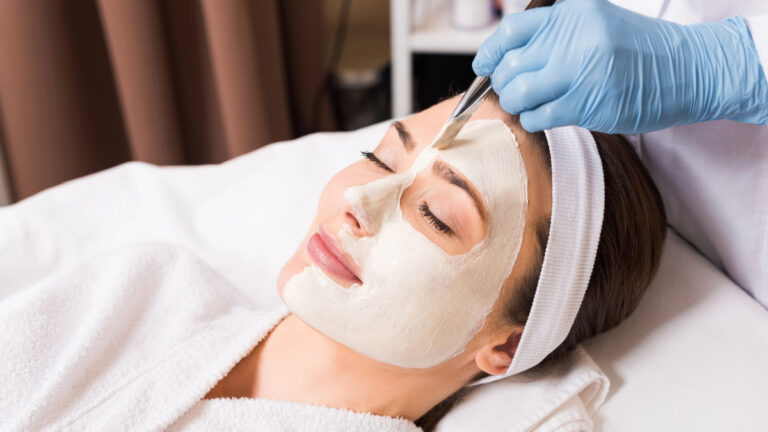
Not every skin treatment has the same goal. Medical treatments aim to diagnose and manage a skin condition, such as persistent acne, eczema, or rosacea. Cosmetic treatments, such as peels or microneedling, focus on appearance and are usually chosen once a concern is understood.
This distinction helps you avoid a common mistake: treating a medical issue with cosmetic products. Redness that never settles, for example, may need a diagnosis before any product will help. A good rule is to sort your concern first, then choose the type of care.
Know When to See a Dermatologist
Home care works well for many everyday concerns, but some signs call for an expert. Consider booking a visit if:
- A condition is not improving or is getting worse.
- Breakouts leave marks or scars.
- A mole or spot changes in size, shape, or color.
- Products keep causing burning, swelling, or rash.
If you live nearby, visiting a dermatologist in Concord can help you get an in-person assessment and understand what may be causing your skin concerns. APDerm’s Concord team treats conditions such as acne, eczema, rosacea, and melasma, along with offering cosmetic treatments like chemical peels and microneedling.
The practice also provides a downloadable skincare consultation form, which you can complete before your appointment to organize your concerns, note any symptoms, and prepare questions for your dermatologist.
Build a Simple Routine Before Adding Treatments
A basic routine does more for most skin than a crowded shelf. Three steps are enough for many people:
- A gentle cleanser, used once or twice a day.
- A moisturizer suited to your skin type.
- A broad-spectrum sunscreen every morning.
Stick with the basics for a few weeks, then add one new product at a time. If irritation shows up, you will know exactly what caused it. Fewer products also make it easier for a clinician to understand what you are already using.
Check Ingredients and Patch Test New Products
Labels can be confusing, but a few habits keep you safe. Read the ingredient list for anything that has bothered you before, and be cautious with fragrance if your skin is sensitive. Introduce strong active ingredients slowly, rather than layering several at once.
Before putting a new product on your face, try it on a small patch of skin, such as the inner forearm, for a day or two. If you notice redness, itching, or swelling, stop using it. Bring the product list to your appointment if you need advice, since ingredients can interact.
Give Treatments Time and Track Your Progress
Skin rarely changes overnight. Many routines need several weeks before you can judge whether they help, so avoid switching products every few days. Take a photo in the same lighting once a week and jot down notes on what you used and how your skin felt.
Those small records make it easier to tell what is working, and they give a clinician useful information if you decide to ask for help. Be patient, and adjust only one thing at a time.
Conclusion
Choosing skincare treatments gets easier when you begin with your own skin instead of the latest trend. Name your main concern, match it to a sensible approach, and separate medical needs from cosmetic goals. Keep your routine simple, patch test anything new, and give each change enough time to show results.
When a problem lingers, worsens, or worries you, a professional exam is worth the visit, and a clear picture of what your skin needs will help you spend your time and money on treatments that actually fit.

- 6 Minneapolis Magicians to Book for Your Next Company Event in 2027 - November 5, 2026
- 8 Addiction Treatment Centers Worth Knowing for High-Stress Careers in 2027 - November 5, 2026
- A 10-Minute Winter Skincare Routine for Busy Moms - November 5, 2026