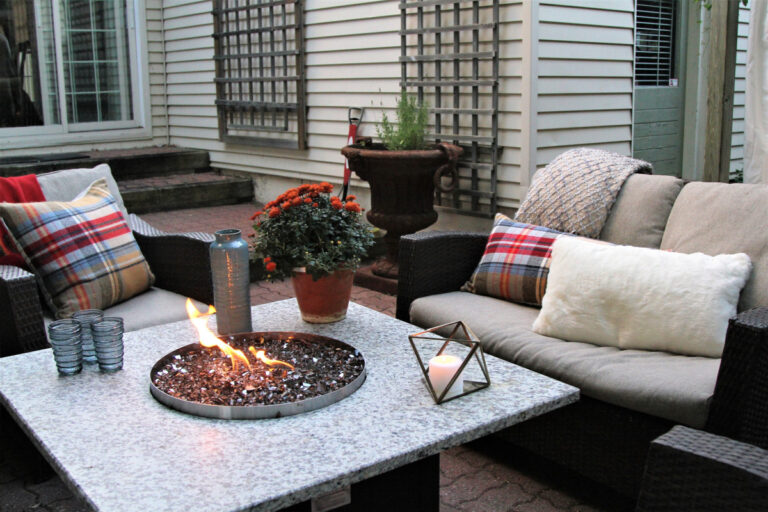
There are several functions that a backyard can fulfill in the years to come. If the family has young children, for instance, the backyard can be used for playing or running, or even having some water toys. For older children, the backyard can act as a place for meeting up with friends and enjoying a snack at the outdoor table, or eating dinner as a family, or as a place to unwind after a long day.
It is necessary to move past how the backyard is to be used this summer in order to design an outdoor living area. The mistake to avoid is to use all the spaces in the backyard with features meant for a single point in time in the family’s life.
Start With How Your Family Uses the Backyard
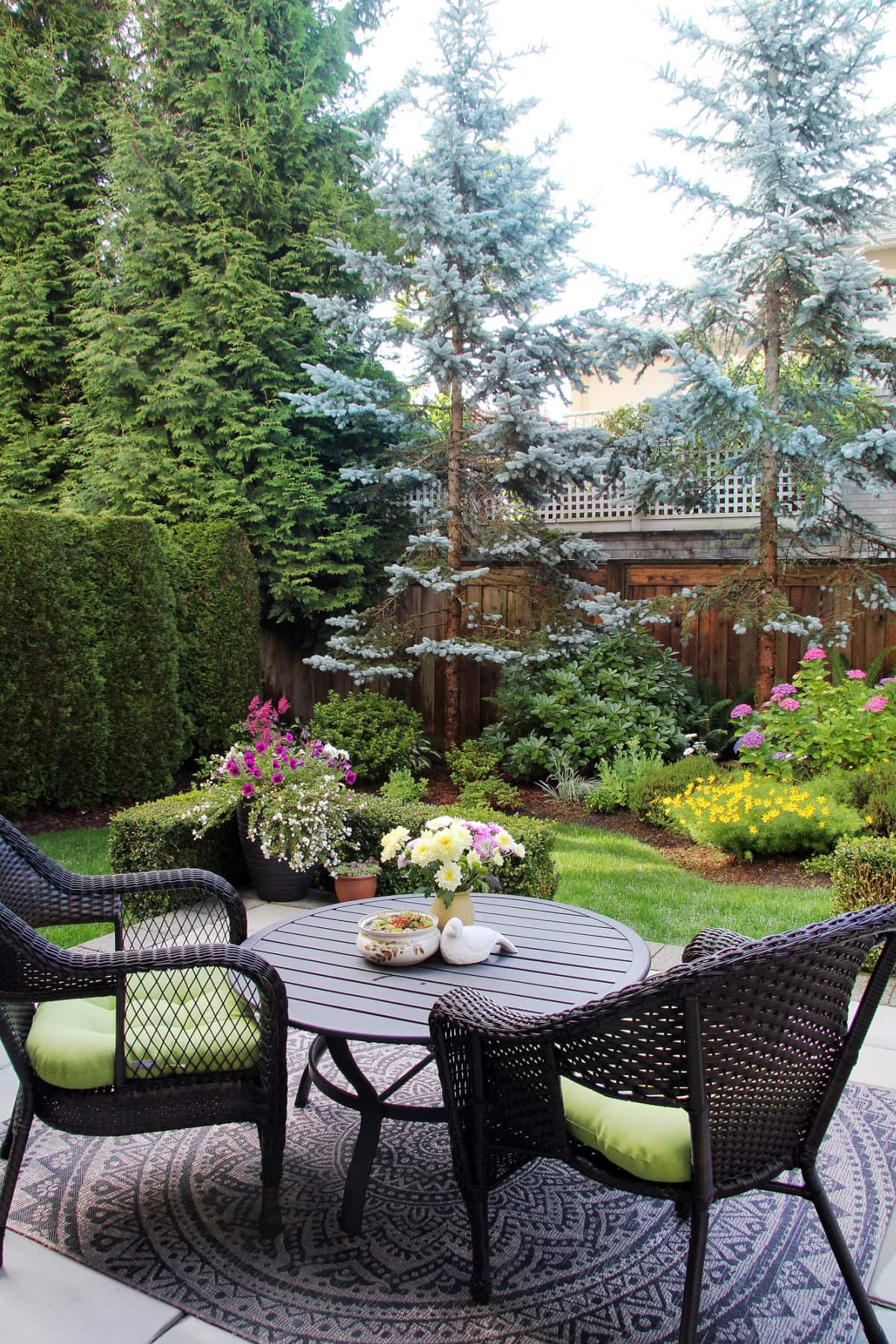
Before selecting furniture pieces, landscaping plants, and materials for any construction, try to learn how members of your household use the backyard. A family with toddlers would like to have an open space to play there under adult supervision, while a family with teenagers would prefer comfortable furniture and enough free space for their leisure activities. Households with the habit of inviting relatives and guests would like to have more space for entertaining.
The observations of your everyday life may help you to realize some practical requirements. For instance, the presence of children who often go from the house to the backyard would require having a passage between the patio and the lawn. Also, if your family spends much time in the backyard when eating, then it is advisable to arrange a special area near the kitchen entrance door.
It should be mentioned that it is very important to consider the dynamics of the backyard, as it changes throughout the day. Thus, a sunlit place would be nice in the morning, but it may become uncomfortable in the evening. The same concerns apply to a shady place near the house, which can become a place for relaxation during the heat.
Choose Features That Can Adapt Over Time
One of the best approaches in outdoor family-friendly design includes flexibility. The elements that are fixed should work as a good base, while the furniture, decorations, and small additions may change depending on the needs of the family.
For example, a spacious area covered with pavement can include a table designed specifically for playing with toys, a portable playhouse, or something else. In the future, the same area will work for extra seating, a dining table, or a fire pit if it is allowed by the local authorities and regulations.
Modular furniture can also be a smart solution. For instance, sectional furniture with movable elements can be used for family time, while light chairs may be combined in case there are guests. Besides, storage benches provide more than one option because, apart from serving as seats, these pieces can store cushions, games, and other outdoor items.
It would be better not to dedicate a lot of space to elements that can perform only one function, especially if they are not very important for the family. While permanent play structures can be used for several years, a large object can restrict other activities if kids become bigger and stop using it.
Think Carefully About Surfaces, Safety, and Maintenance
The choice of material for an outdoor area affects comfort and functionality in the future. Family members need surfaces that are able to withstand daily activity, changes in weather, outdoor furniture, and some spills. The right choice also depends on the purpose of each particular area.
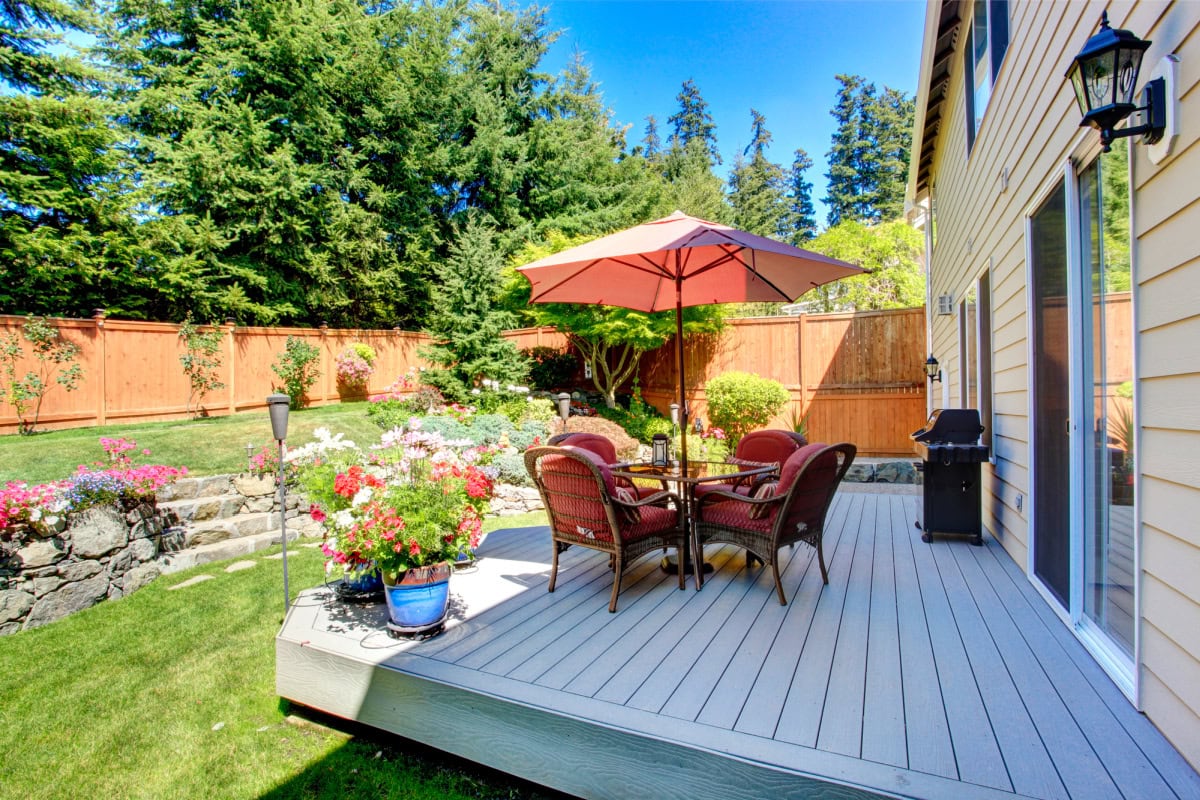
A deck near the house, for example, can provide a convenient setting for family meals and relaxation. When planning this space, homeowners may find it helpful to compare stone deck vs composite materials in terms of maintenance, appearance, installation requirements, and long-term costs. Stone can provide a durable surface with a distinctive appearance, while composite decking is often preferred by homeowners looking for an option that requires less routine maintenance. Ultimately, the decision should account for the specific materials, local climate, drainage conditions, and intended use of the space.
Safety considerations must receive their fair share of consideration. Deck and patio installations might need proper railings, stable staircases, and adequate lighting systems. Wet conditions might render smooth surfaces slippery; therefore, it is necessary to take into account texture and drainage before choosing an installation site. Those who have kids must not ignore potential hazards such as sharp edges, loose pavers, exposed nails, and elevation differences.
Maintenance is yet another aspect that gains greater importance once hectic family life begins to take its toll. A material that needs regular sealing, maintenance, and seasonal repair work can take up too much of a family’s time. A comparison of material maintenance needs before making decisions will help set realistic expectations.
Create Comfortable Areas for Different Activities
The backyard doesn’t necessarily have to be split into clearly demarcated zones for each family member. Nonetheless, having such zones makes it easy to utilize them.
There could be a dining zone that comprises a sturdy table and weatherproof chairs, as well as lighting that enables nighttime dining. There could be another seating zone that provides a quiet place for relaxation and conversation while kids play somewhere else. An area of grass or even a paved flexible space that accommodates temporary activities such as playing and exercising is also possible in case there is enough room.
Shade provision is critical in a family backyard setting. Whether it is a pergola, a shade structure like an umbrella, or even strategically placed shade trees, it makes the outdoors more habitable during warm seasons, depending on the yard’s space, climatic conditions, and the capacity to undertake maintenance.
Lighting also helps in making use of the backyard even after sunset. Path lights help one navigate through walkways, while properly installed outdoor lighting can be used to light the dining and seating zones. In addition, using energy-efficient LED lighting reduces electricity costs, while timers and motion sensors reduce unnecessary wastage of energy.
Make Room for Nature and Changing Interests
An outdoor space that caters to kids should include some elements other than hard surfaces and furniture. Flowers, gardens, and plantings could serve the purpose of providing the children with the ability to interact with nature, as well as make backyard spaces more attractive.
Garden beds are especially effective since they can be tailored to specific age groups and interests. Young children can grow strawberries, lettuce, and sunflowers, and the older children would have the task of watering, pruning, and harvesting. This will provide them with some simple lessons about patience, seasons, and taking care of live plants.
While selecting plants, it is essential to take into account the maintenance of the plants and their compatibility with a household where there are children and pets. The ASPCA offers a search engine listing the plants that are toxic and non-toxic to dogs, cats, and horses. Plant safety for children cannot be assumed based on their safety to pets.
Local plantings are another thing to consider. They are adapted to the particular local environment and thus do not require much watering once grown. Native plants can be found using the assistance of local universities’ extension offices and native plant societies.
Plan for Long-Term Comfort Rather Than Immediate Trends
Outdoor design trends can act as a source of inspiration, but in the end, it is the requirements of the family that determine what should be done. It is quite possible that something trendy will look good at the very beginning of its installation while not being useful at all. Prior to the construction of an expensive object, one should think about its usefulness in a few years’ time.
It is reasonable to introduce changes gradually. First of all, one can try to improve the drainage system, create safe walkways, and install a proper seating area. Further on, one can add landscaping, an entertainment zone, or some lighting fixtures if there is enough money for that.
The use of storage is another thing that shouldn’t be neglected either. Toys for the outdoors, gardening tools, sports gear, and cushions can fill an outdoor area very quickly. Special storage boxes or a little shed for the garden can be useful in keeping commonly used items within reach but not in the primary activity zones.
An effective outdoor area doesn’t necessarily need to be complicated and costly. It is important to design a space that is efficient for daily chores, family time, rest, and even hobbies. With all these things in mind, the backyard will be a place of importance to the family for years to come.

- How to Design an Outdoor Space That Grows With Your Family - November 9, 2026
- The Benefits of Running a Half Marathon Before Attempting a Full Marathon - November 9, 2026
- 8 Hair Loss Treatments for Men Worth Knowing in 2027 - November 8, 2026