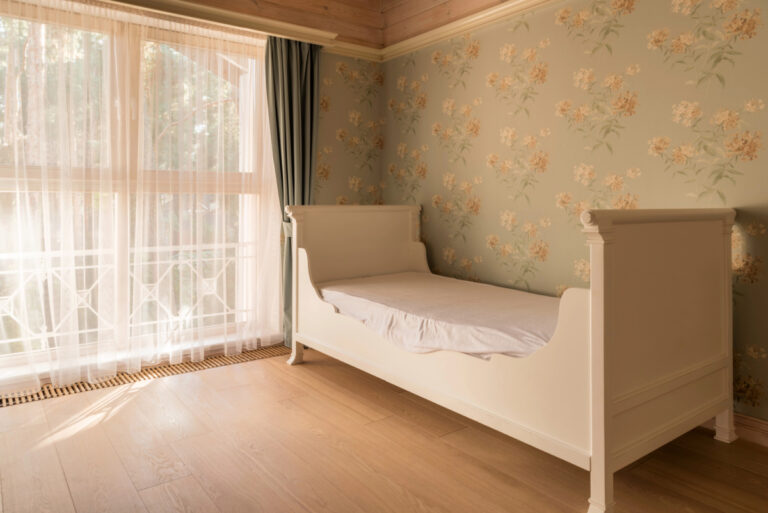
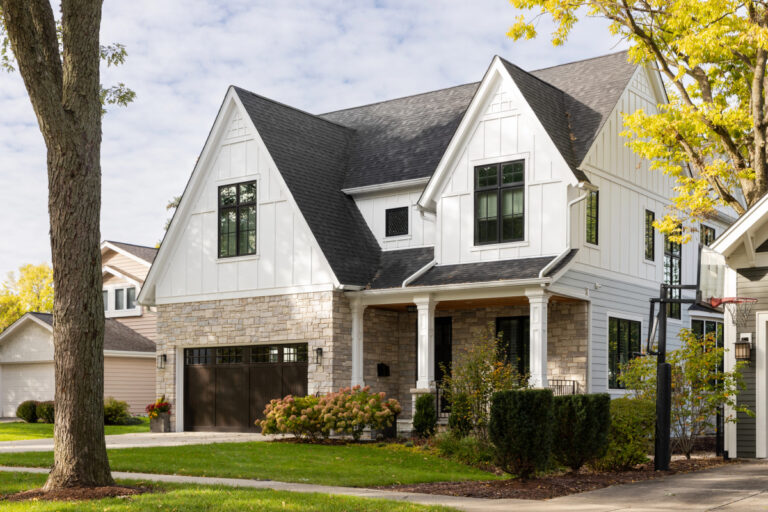
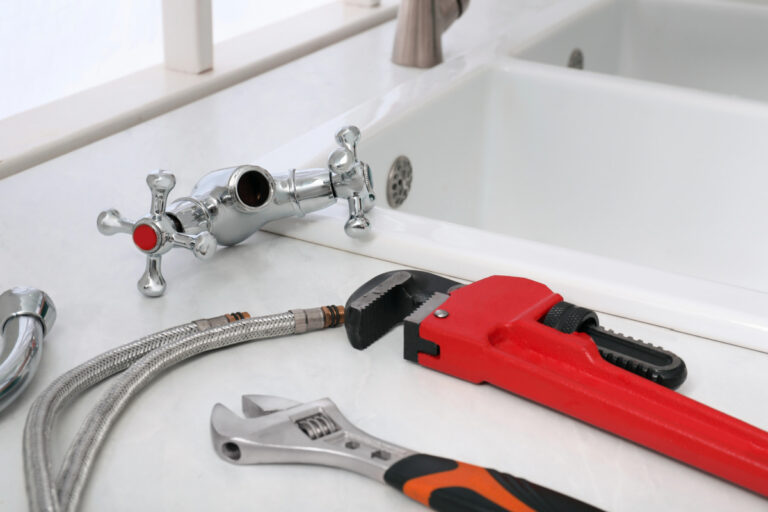
Most people spend roughly 90 percent of their time indoors, according to the U.S. Environmental Protection Agency. That single figure changes how we should think about home improvement. A home is not just an asset or a backdrop for daily life; it is the environment that shapes our sleep, our mood, our productivity, and our health. Yet many homeowners put off interior projects for years, waiting for a perfect budget or a perfect moment. The truth is that some upgrades are worth doing sooner rather than later, because they pay back in comfort, energy savings, and resale value almost immediately.
Start With the Lighting You Live Under
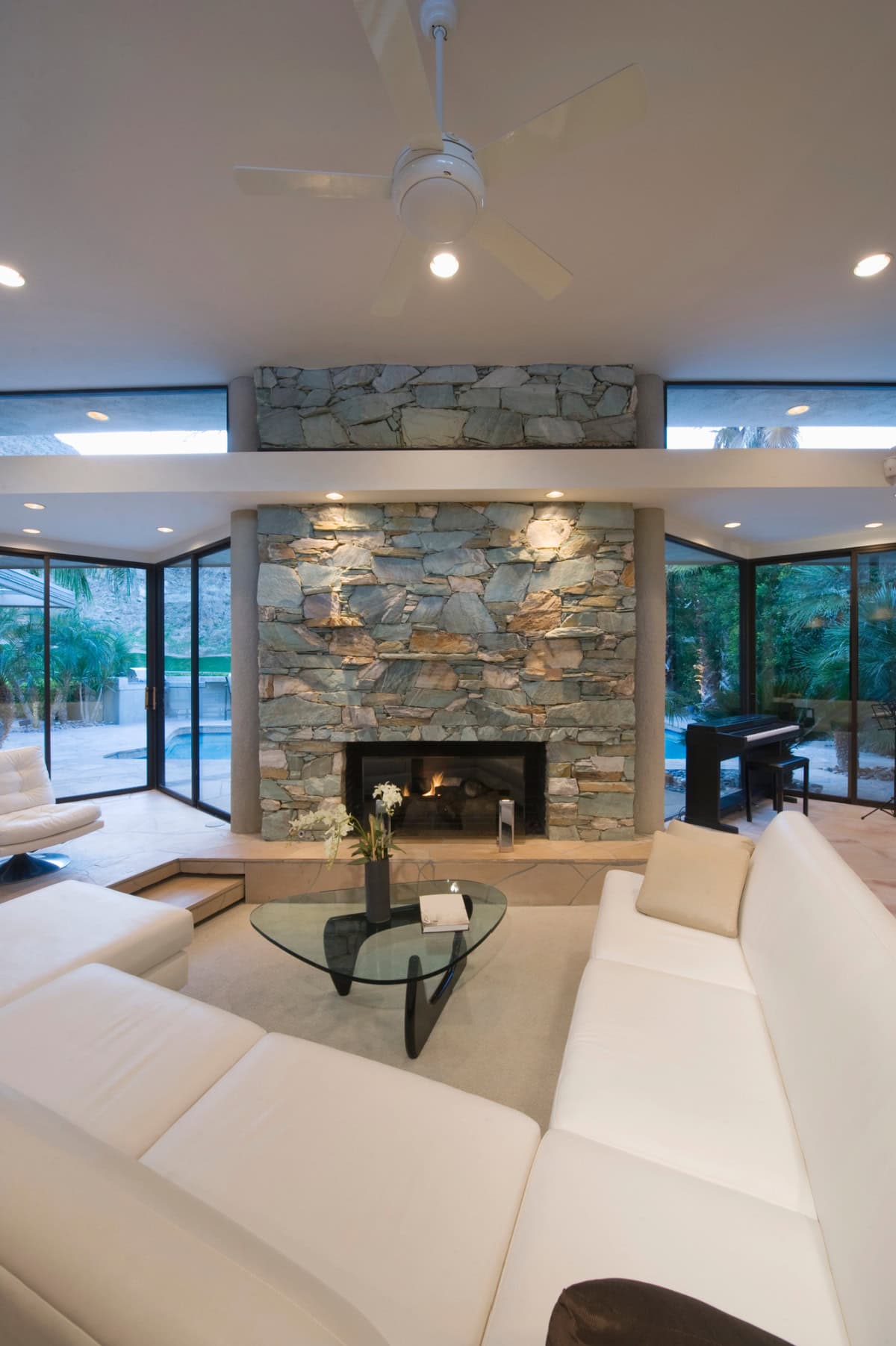
Lighting is often the most overlooked element of interior design, and it is also one of the most affordable to change. The U.S. Department of Energy estimates that switching to LED bulbs uses at least 75 percent less energy than traditional incandescent lighting and lasts up to 25 times longer. For a household that runs lights for several hours every evening, that difference shows up on the electricity bill within a few months.
Beyond efficiency, lighting sets the tone of every room. A harsh, single overhead source can make a living space feel flat and uninviting, while layered lighting, which combines ambient, task, and accent sources, adds depth and warmth. Bedrooms deserve particular attention, since light quality affects how easily people wind down at night. Warm-toned, dimmable fixtures help the body prepare for rest, and if you are shopping for a new fixture, you can find bedroom ceiling lights here in styles ranging from minimalist flush mounts to statement chandeliers. Choosing a fixture with a dimmer-compatible design gives you flexibility to brighten the room for cleaning or soften it for reading.
Improve Air Quality and Ventilation
Because we spend so much time indoors, the air inside our homes matters enormously. The EPA has noted that indoor concentrations of some pollutants can be two to five times higher than outdoor levels, and occasionally much higher. Cooking fumes, cleaning products, dust, pet dander, and moisture all accumulate in tightly sealed modern homes.
Upgrading ventilation is one of the most meaningful steps a homeowner can take. A properly vented range hood, bathroom exhaust fans that actually move air outdoors, and a quality HVAC filter rated MERV 11 or higher can noticeably reduce airborne particles. Adding a few well-chosen houseplants will not replace mechanical ventilation, but they can improve the feel of a room and contribute to a sense of calm. For households with allergy sufferers, a standalone HEPA air purifier in the bedroom can make a real difference in sleep quality.

Upgrade Insulation and Windows for Year-Round Comfort
Comfort and efficiency go hand in hand. The Department of Energy reports that homeowners can save an average of 15 percent on heating and cooling costs, or about 11 percent on total energy costs, by air sealing their homes and adding insulation in attics, floors over crawl spaces, and basement rim joists. Those numbers make insulation one of the highest-return projects available, even though it is rarely visible once finished.
Windows deserve a close look as well. Older single-pane windows leak heat in winter and let it flood in during summer. Replacing them with double-pane, low-emissivity models can cut energy loss significantly and reduce outside noise, a benefit that city dwellers and families near busy roads appreciate right away. If a full replacement is out of reach, weatherstripping, caulking, and thermal curtains offer budget-friendly improvements that still help.
Refresh Flooring and Walls With Purpose
Flooring is the largest visual surface in most rooms, and its condition influences how a home feels from the moment someone walks in. Worn carpet traps allergens and odors, while scratched or dull hardwood can make an otherwise attractive space look tired. Refinishing existing hardwood is typically far less expensive than installing new floors and can restore a surface for another decade or more. For those choosing new materials, luxury vinyl plank and engineered wood offer durability and moisture resistance, which are especially useful in kitchens, basements, and entryways.
Walls offer an equally simple opportunity. Fresh paint consistently ranks among the highest-return improvements for homeowners preparing to sell, and it is one of the lowest in cost. Choosing low-VOC or zero-VOC paints also limits the release of harmful compounds into indoor air, tying the project back to health. Soft neutrals tend to widen a space visually, while a single saturated accent wall can add personality without overwhelming the room.
Make Storage and Layout Work Harder
A cluttered home is a stressful home. Research from the UCLA Center on Everyday Lives and Families found that women who described their homes as cluttered showed elevated levels of the stress hormone cortisol throughout the day. Smart storage is therefore more than a tidy-up exercise; it is a wellbeing upgrade.
Prioritize Upgrades That Improve Daily Life
With so many possible projects, it helps to rank them by how often you will notice the benefit. Lighting, air quality, and insulation touch every hour of the day, so they usually deserve to come first. Flooring, paint, and storage can follow as budgets allow, ideally in an order that avoids redoing work, for example, painting before installing new floors, or sealing the building envelope before upgrading heating equipment.
It also pays to plan in phases. Spreading work over a year or two makes costs manageable and lets you live with each change long enough to judge what the next step should be. Interior upgrades do not need to be dramatic to be worthwhile. Small, deliberate improvements add up to a home that is healthier, cheaper to run, and far more enjoyable to come home to, and that is exactly why they deserve to be done.

- Stocking Stuffers for Women: Small Beauty Gifts That Feel Luxe - November 26, 2026
- 5 Amazing Festive Bake Sale Ideas That Sell Like Crazy - November 26, 2026
- Is a Facelift Very Painful? What to Know About The Procedure and Recovery - November 26, 2026