There’s something timeless about the sound of kids and animals sharing space — the soft thud of boots in the dirt, a rustle of hay, the quiet patience of a well-loved creature waiting for its morning feed. For families rooted in rural life, animals aren’t just part of the backdrop. They’re teachers, companions, and sometimes the best kind of chaos.
Raising kids around animals invites a slower rhythm — one shaped by early chores and the joy of muddy smiles. It asks more of children and offers something lasting in return. In a world rushing toward screens and shortcuts, these simple, physical interactions quietly build capable, grounded young people.
The Life Lessons Animals Teach
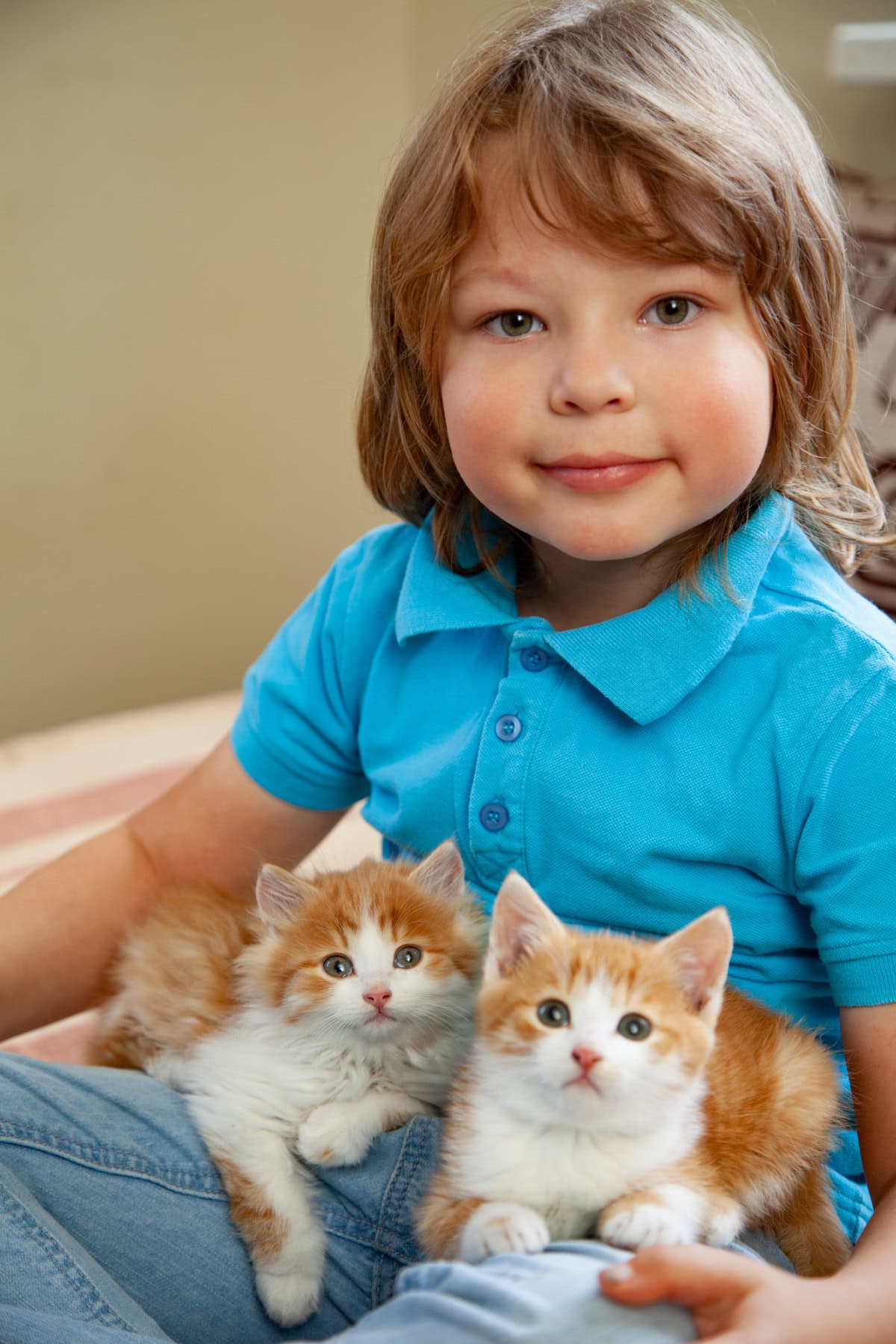
Animals don’t explain or reward. They teach by needing us — steadily, predictably, and without exception. When a child learns that animals rely on them every single day, the lesson takes hold more deeply than any lecture.
Feeding, brushing, cleaning—none of it’s glamorous. And that’s the beauty. Repetition builds habits. Kids begin to understand what it means to show up even when it’s cold, inconvenient, or they'd rather be doing something else. That kind of follow-through sticks with them throughout school, friendships, and eventually, in their work.
They also learn to pay attention. A limping goat or uneasy hen becomes a reason to pause and figure things out. Kids start noticing what’s unspoken — posture, patterns, shifts in behavior — not because they’re told to, but because they care. That sensitivity stays with them long after they’ve left the barn.
Creating a Safe and Structured Environment
Animals bring energy and freedom into family life, but they also depend on structure. And in that structure, kids begin to see how order holds everything together. Clear routines, defined spaces, and safe environments help kids understand that responsibility extends beyond simply checking things off a list. It’s about creating a space where living things can feel secure, cared for, and able to thrive.
Large animals especially need well-planned setups. Teaching kids to care for horses starts with showing them the value of sturdy fencing, clean walkways, and thoughtfully built horse stalls. It’s not just about neatness — it’s about safety and rhythm. When children help clean or prepare a stall, they begin to understand how even small efforts contribute to a bigger, more dependable system.
With guidance, even younger children can participate. Sweeping hay, refilling water buckets, or helping with grooming teaches them to observe, handle tools, and treat living things — and spaces — with care.
Making Chores a Family Affair
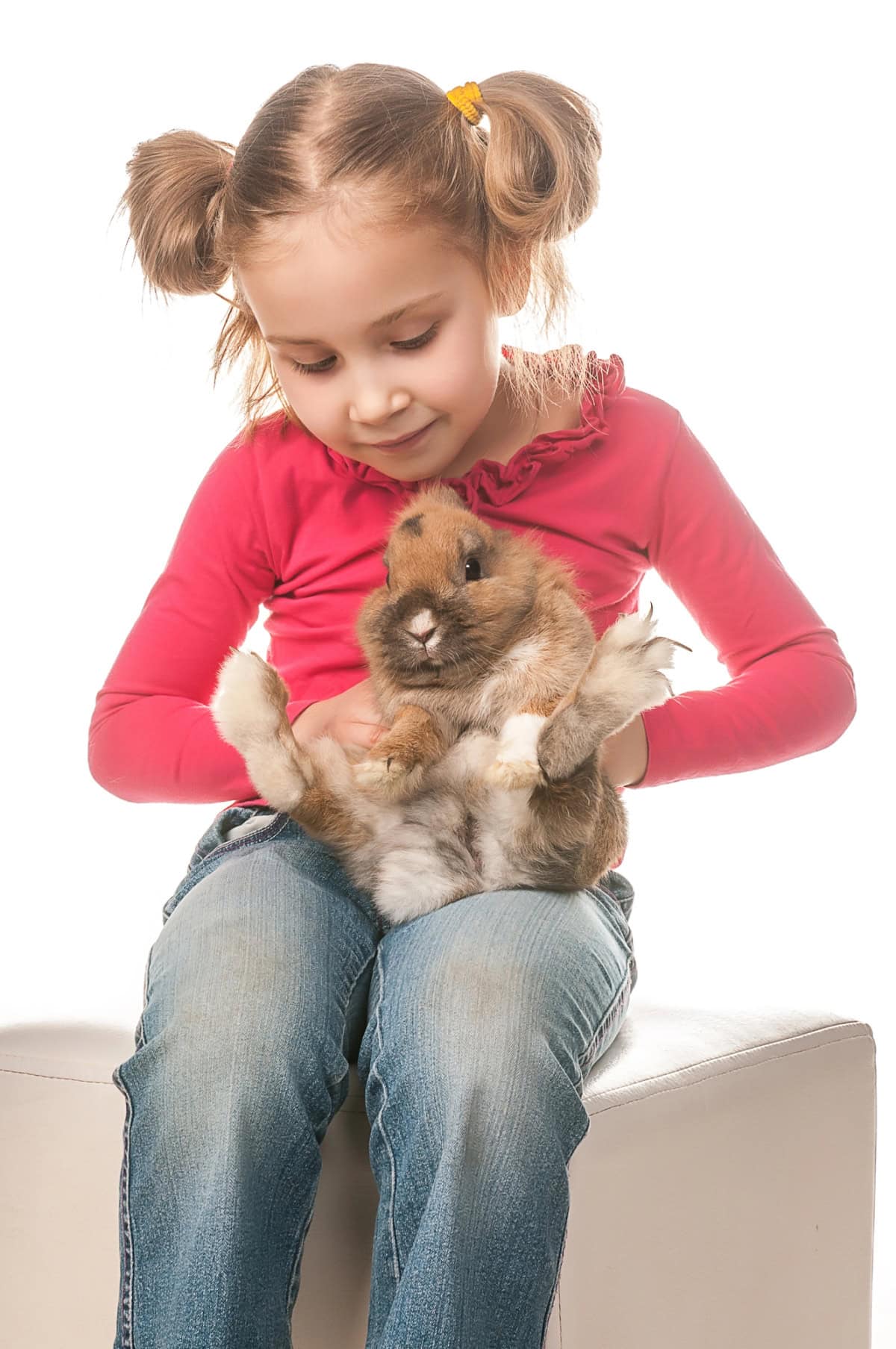
When animals are part of everyday life, chores become shared time. Pairing up to haul feed, checking water lines together, laughing over stubborn goats — these routines create pockets of connection that families often don’t realize they needed.
The best approach is to match the job to the child. Toddlers can scoop feed or help brush calm animals. Older kids might take on tasks such as mucking stalls, guiding younger siblings, or handling more independent responsibilities. Not every job is fun, but that’s part of the point. Through the dirt and repetition, kids discover patience, capability, and that satisfying feeling of being useful.
Animal care also helps kids grow emotionally. As BBC Tiny Happy People explains, time spent with animals strengthens empathy, confidence, and emotional awareness — not through big moments, but through quiet, consistent care.
And in between the chores? The memories. The pig that always escaped. The stormy morning when everyone worked together in the rain. These stories become the soft threads of family identity, woven between hay bales and feeding times.
Dealing with the Hard Stuff: When Nature Teaches Tough Lessons
Animal life isn’t always charming. Sometimes it’s heartbreaking — a fox in the chicken coop, a failed birth, an old friend that fades too soon. Kids who grow up around animals learn to face those realities. And in doing so, they gain something no book or show can offer: emotional resilience.
They learn to comfort without fixing. To feel loss, and still show up for the living. These moments are hard and unforgettable. They teach gentleness, patience, and acceptance in ways that are honest and grounding.
There’s humility, too. Nature doesn’t take orders. And no matter how careful we are, things will sometimes go wrong. When children witness that, they learn to adapt — to respond rather than control. It’s a quiet kind of strength, but one that runs deep.

Reflections on Rootedness
There’s a richness in the everyday rhythm of raising kids with animals. Feed buckets. Fences to fix. Hooves to clean. These tasks aren’t just part of the day — they ground kids. They offer a steady sense of place and purpose, reminding them what truly matters.
Values don’t need to be explained when they’re woven into daily life. Kids learn patience from a calf that won’t budge, tenderness while bottle-feeding the smallest one, and grit during cold, early mornings. These lessons aren’t abstract — they take root through repetition, through showing up, through doing.
Even indoor routines matter. Something as simple as preparing your home for animal care shows kids how to anticipate needs and take ownership. Over time, those early lessons show up everywhere — in how they solve problems, treat people, and show up for what matters most.
Interlinking suggestion:From: https://www.lifeissweeterbydesign.com/cat-care-tips-for-kids/ to this article with anchor: raising kids through everyday animal care.

- Turning a House Into a Home: Small Changes That Make a Big Difference - July 27, 2026
- How to Support a Child After an Autism Diagnosis - July 27, 2026
- How International Schools Support Students Beyond Academics - July 27, 2026