Healthcare in Australia is shifting. More people are receiving support outside of traditional hospital settings, and the demand for skilled nursing professionals in community environments has never been more significant. As the population ages and health needs become more complex, qualified nurses play a central role in ensuring individuals receive safe, consistent, and compassionate care – right where they live.
The Factors Driving Demand For Community-Based Nursing Services
Several interconnected forces are reshaping how Australians access healthcare, with community-based services becoming an increasingly vital part of the broader system.
- Ageing population and increasing life expectancy – Australia’s older population is growing steadily, with more Australians living longer and requiring sustained health support well into their later years.
- Growth in chronic health conditions – Conditions such as diabetes, cardiovascular disease, and respiratory illness require ongoing monitoring and management that extends well beyond a hospital admission.
- Preference for home-based care – Many individuals and families prefer receiving care in familiar surroundings, where comfort and routine support recovery and overall wellbeing.
- Focus on preventative healthcare – There is a growing emphasis on early intervention and proactive health management, which relies heavily on nurses working directly within communities.
- Person-centred care models – Funding frameworks like the NDIS and aged care reforms have accelerated the shift toward tailored, individual-focused care delivered in community settings.
How Qualified Nurses Support Individuals & Families
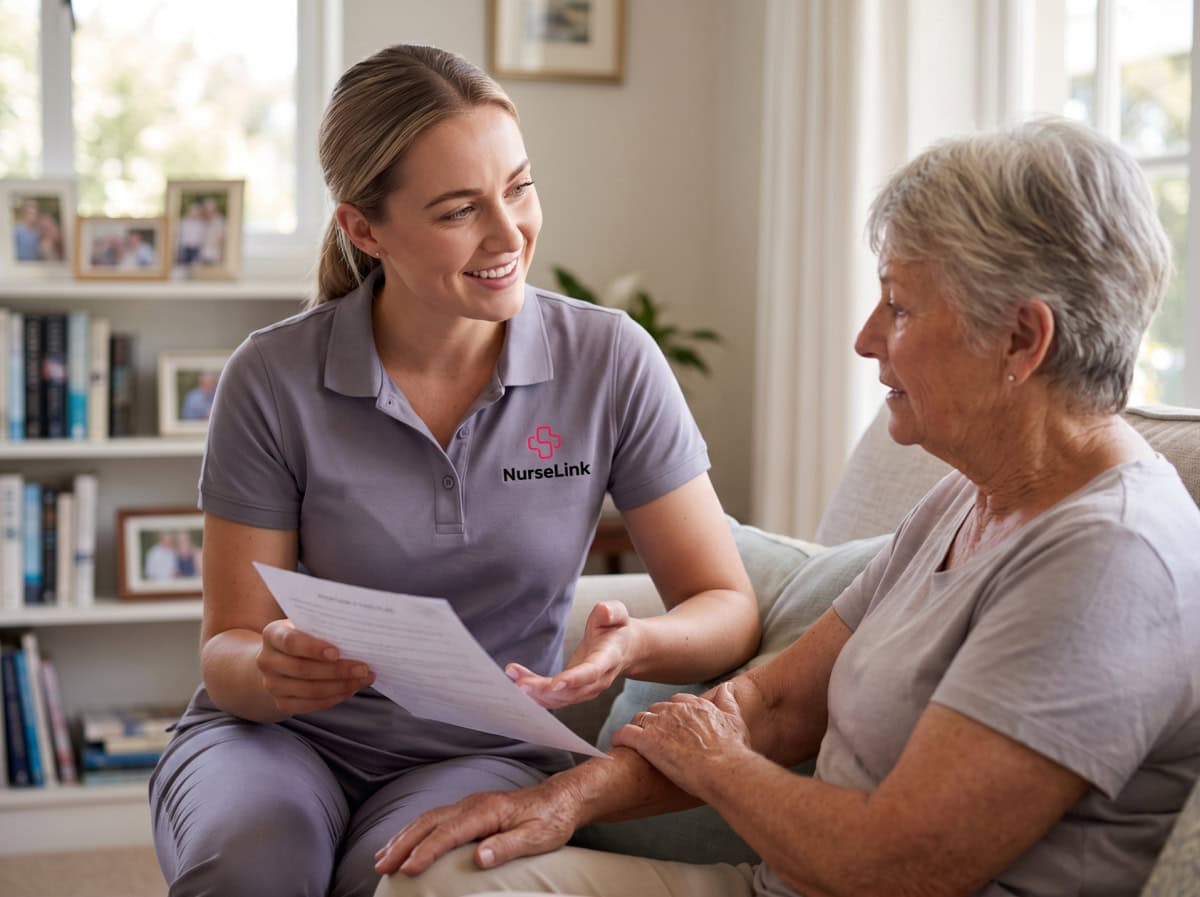
The contribution of qualified nurses in community care goes well beyond clinical tasks. They serve as a consistent, trusted point of contact for individuals managing complex or long-term health needs, often becoming an essential part of a person’s daily life.
From conducting health assessments and monitoring vital signs to managing wound care and coordinating with treating doctors, registered nurses bring a level of clinical rigor that ensures safe and effective care at home. A registered nurse agency in Australia, like NurseLink Healthcare, ensures that the professionals deployed into community settings hold the appropriate qualifications and experience to manage the full spectrum of patient needs.
Beyond clinical support, community nurses play an important role in educating patients and their families. Understanding a health condition, knowing how to manage medications correctly, and recognizing early warning signs can make a meaningful difference in outcomes – particularly for those managing chronic illness or recovering after a hospital stay.

The Benefits Of Community Care
The shift toward community-based healthcare benefits individuals and the broader health system alike. Patients experience greater comfort and continuity, remaining in environments that support their emotional and physical well-being. Families gain flexibility and peace of mind, knowing their loved ones are receiving professional support without the disruption of long-term hospitalization. At a systems level, effective community care reduces unnecessary admissions and eases pressure on hospitals, enabling resources to be directed where they are needed most. The personalized nature of home-based care also means that support can be adapted over time to reflect changing needs.
Challenges The Community Care Workforce Is Facing
Despite the clear benefits, the community nursing workforce faces significant pressure.
- Rising demand for skilled professionals is outpacing the current supply across many parts of Australia.
- Workforce shortages, particularly in regional and rural areas, leave gaps in service availability.
- Patients entering community care are presenting with increasingly complex needs that require advanced clinical skills.
- Ongoing professional development is essential, but not always consistently accessible for community-based nurses.
- Retaining experienced nurses within community settings remains a challenge, given the demands of the role and competition from acute care environments.
Why Investing In Skilled Nurses Is Essential
Meeting the future healthcare needs of Australia’s population requires a sustained and deliberate investment in nursing talent. Skilled nurses are not simply a workforce resource – they are the foundation of a safe, responsive, and sustainable community care system. Ensuring nurses are well supported, appropriately trained, and operating within frameworks that value their expertise directly translates to better patient outcomes and greater independence for the individuals they serve. A dependable 24/7 nursing agency Australia-wide is central to making that level of consistent care possible.
Conclusion
Community care is no longer a supplementary option – it is a critical pillar of Australia’s healthcare landscape. Qualified nurses are at the heart of this shift, delivering clinical expertise, compassionate support, and continuity of care to individuals and families across the country. As demand continues to grow, investing in skilled nursing professionals is not just a workforce strategy; it is a commitment to the health and dignity of every person who needs care. NurseLink Healthcare operates as a rapid response nursing agency Australia-wide, connecting qualified professionals with those who need them most – around the clock, every day of the year.

- The Grab-and-Go Court Routine Every Pickleball Family Needs - September 28, 2026
- 5 Simple Ways Families Can Save Money on Dental Care - September 28, 2026
- Coconut Acai Base: Cozy Weekend Breakfast Ideas - September 26, 2026