Walk down two different streets at dusk, and you’ll feel the difference almost immediately. One has bright lights, wide sidewalks, and porches facing the road. The other is dim, cracked, and empty. Your gut forms an opinion before your brain catches up.
That instinct isn’t random. Ordinary features like lighting, crosswalks, and trees can shape how safe a place actually is, and how safe people feel living there. Sometimes those two things line up neatly. Sometimes they don’t match at all. Perception and reality can drift apart.
Looking past first impressions takes a closer read of the details. Traffic speeds, pedestrian routes, maintenance, and reliable data all tell part of the story. Together, they offer a fuller picture than a single crime map or a quick drive-through ever could.
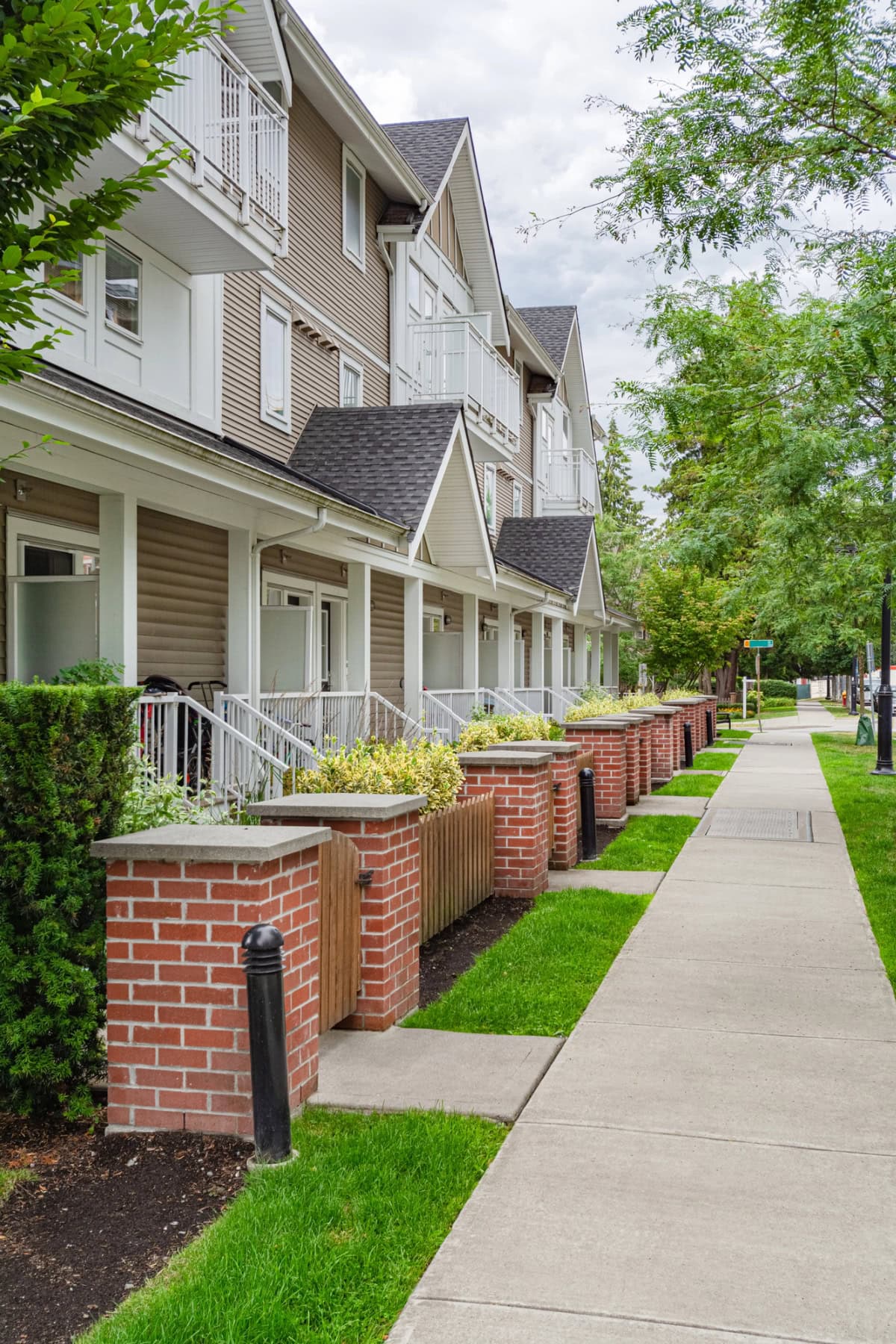
Why Safety Is About More Than Crime Rates
Crime rates get most of the attention, but they’re only one slice of safety. Traffic is a huge factor that often gets overlooked. Fast-moving roads, missing crosswalks, and long blocks without signals can make everyday walking riskier than people realize. Traffic deserves attention.
Anyone researching the safest neighborhoods in St Louis may want to look at several factors at once. Pedestrian infrastructure, lighting, traffic patterns, and access to parks all shape daily life across the city’s 79 officially recognized neighborhoods, which vary widely in layout and character.
Crime data still matters, but its source matters too. Official police statistics are generally more reliable than social media posts or neighborhood rumors. Looking at trends over several years, rather than one dramatic headline, gives a much more accurate sense of real risk.
The Surprising Role of Street Lighting
Good lighting changes how a street feels. People walk more confidently when they can see faces, sidewalks, and obstacles ahead. That comfort encourages more foot traffic, and more people on the street can mean more natural eyes watching what’s going on. Visibility builds confidence.
Lighting also affects traffic safety. Drivers need to spot pedestrians, cyclists, and hazards at night, and poorly lit crossings make that harder. Most pedestrian deaths nationwide happen after dark, which makes visibility a critical piece of the safety puzzle. Darkness hides hazards.
Research has found some promising connections between lighting and crime. One large study in New York City public housing found reductions in certain nighttime outdoor crimes after temporary lights were added. Maintenance matters too, because burned-out lights can quickly erase those benefits. Upkeep counts.
How Sidewalks and Street Design Affect Everyday Safety
Sidewalks seem simple, but continuity is what counts. A sidewalk that suddenly ends forces people into the street. Connected networks let residents walk to schools, bus stops, and stores without dodging traffic or crossing busy roads at awkward points. Gaps create danger.
Crossings matter just as much. Clearly marked crosswalks, pedestrian signals, median islands, and curb extensions shorten the distance people spend in the roadway. Shorter crossings mean less exposure to traffic and far fewer chances for a driver to miss someone stepping off the curb.
Road width and speed shape behavior too. Wide, straight streets often encourage faster driving, while narrower lanes and traffic calming slow cars down. That difference is huge, because a pedestrian’s chance of surviving a crash drops sharply as impact speeds climb. Speed changes everything.
What Trees and Green Spaces Can Tell Us About a Neighborhood
Trees do more than look nice. They provide shade, cool hot sidewalks in summer, and make walking more pleasant. Street trees can also visually narrow a roadway, which may encourage some drivers to slow down without anyone posting a new sign. Shade invites walking.
Green spaces often reflect investment and care. Well-kept parks, playgrounds, and community gardens give neighbors places to gather and get to know each other. St. Louis has an especially famous example in Forest Park, one of the largest urban parks in the country.
Still, greenery isn’t a crime predictor. A leafy street can have problems, and a treeless one can be perfectly safe. Trees and parks are best seen as clues about comfort, maintenance, and livability, not as guarantees about what happens on any given block.
Conclusion
Neighborhood safety is more complicated than a single number. Streetlights, sidewalks, crosswalks, traffic speeds, and green spaces all influence how a place functions day to day, and how secure people feel while walking, driving, or simply sitting on the front porch. Numbers miss nuance.
Some features have clear safety benefits, like visible crossings, slower traffic, and well-maintained lighting. Others, like trees and parks, say more about comfort and care than crime. Mixing up those two categories can lead people toward the wrong conclusions about an area. Both matter, differently.
The smartest approach combines several sources. Reliable crime statistics, traffic data, a daytime and nighttime visit, and conversations with residents together reveal far more than any one measure. A neighborhood’s true character shows up in the details, not just the headlines.

- Top Concierge Medicine Providers in Orange County for Personalized Healthcare - November 10, 2026
- What Streetlights, Sidewalks, and Trees Can Reveal About Neighborhood Safety - November 10, 2026
- The High-Back Sofas Worth Sinking Into - November 10, 2026