Ever spent ten minutes blending your foundation, only to notice dry patches around your nose or cheeks? It’s frustrating when makeup that usually looks fine suddenly settles into flakes and refuses to smooth out. Sometimes, the problem isn’t your foundation or even your makeup brush set for blending, but the skin underneath. When your skin lacks moisture, foundation can cling to rough spots instead of spreading evenly. Understanding why this happens can help you get a smoother finish without piling on more makeup.
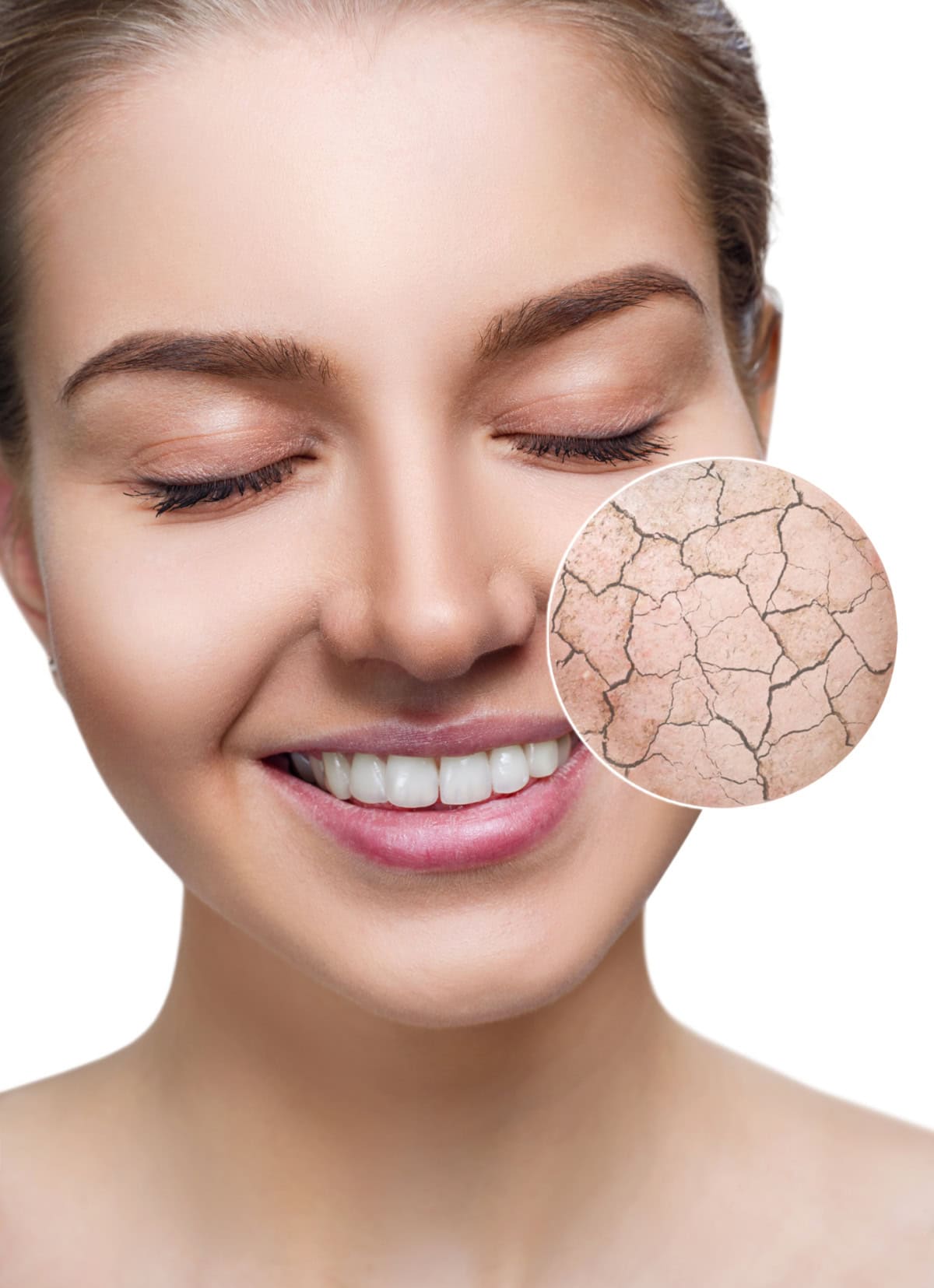
Why Foundation Looks Patchy on Dry Skin
Dry skin can change the way makeup sits on your face. That’s to be expected because skin is like a canvas. When the outer layer loses moisture, these may happen:
- becomes rough
- turns flaky
- feels too tight
All of these issues leave an uneven surface for foundation to cover. Liquid products can catch on loose flakes, while powders may make those areas stand out even more. What looked like a perfect match in the store might suddenly look cakey once you apply it at home.
It’s tempting to keep blending in the hope that the patches will disappear. Unfortunately, going over the same area repeatedly can lift the product you’ve already applied and make the texture more noticeable. Adding another layer of foundation often creates the same problem. If your makeup keeps separating or clinging to dry spots, take a closer look at your skincare routine before switching foundations again.
What Hyaluronic Acid Does for Your Skin
Hyaluronic acid is a humectant, which means it attracts and holds water. It’s naturally found in the body, including the skin, where it helps maintain moisture. In skincare products, it can draw water into the outer layers of the skin, leaving them feeling more hydrated and comfortable. That extra moisture may help soften the appearance of dry patches and create a smoother surface for makeup.
You don’t need an expensive serum to try it. Hyaluronic acid is available in moisturizers, serums, and some foundations, so you can choose a product that fits your routine. For best results, apply a hyaluronic acid serum to slightly damp skin and follow with a moisturizer to help reduce moisture loss. Remember that it helps with hydration, but it won’t fix every cause of flaking, especially if irritation or a skin condition is involved.
Get Your Skin Ready Before Applying Makeup
A little preparation can save you from struggling with foundation later. Try these tips to prep your skin:
- Wash your face with a gentle cleanser
- Apply hydrating products (ex., moisturizer and other creams)
- Give the products a few minutes to settle before applying foundation
These won’t leave your skin feeling tight. Notably, if your sunscreen tends to pill under makeup, try adjusting the amount you use or allowing more time between layers.
Be gentle when dealing with flakes. Scrubbing your face or using strong exfoliants might seem like a quick fix, but they can leave already dry skin irritated. Instead, focus on regular moisturizing and give your skin time to recover. If the flaking continues despite changing your routine, or if you notice redness, itching, or painful cracks, consider asking a dermatologist for advice.
Choose Brushes That Help, Not Hinder
The tools you use can make a difference in how your foundation sits on your skin. A good makeup brush set gives you different options for the following:
- applying foundation
- blending concealer
- adding color (sans relying on one brush for everything)
If you want more coverage, a dense brush may work well, while a fluffier brush can help spread the product more lightly. It may take a little trial and error to find what works best with your foundation and the finish you like.
When your skin is flaky, go easy on the brush. Use light, short strokes instead of pressing too hard or dragging the bristles across dry patches. If your brush seems to make the flakes more noticeable, try a damp makeup sponge and see if you prefer the result. Remember, no tool will make skin texture disappear completely, and piling on more foundation often makes things worse. A lighter layer may be all you need for a smoother-looking finish.

Don’t Let Old Makeup Build Up on Your Brushes
Brushes collect foundation, oil, and dead skin cells as you use them. When that residue builds up, the bristles may feel stiff or spread makeup unevenly across your face. Dirty brushes can also contribute to irritation and breakouts, which is the last thing you want when your skin is already struggling. Washing your tools regularly helps them work as they should and keeps old product from transferring back onto your face.
Use a cleaner suited to your brushes and rinse them thoroughly if the product requires it. Here are some hacks for longevity:
- Avoid soaking handles, as water can loosen the adhesive that holds the bristles in place
- Lay brushes flat or position the bristles downward while they dry
- Don’t use them again while they’re still damp
Clean tools won’t solve dry skin by themselves. However, they can make applying makeup a much easier job.
Final Word
If foundation keeps catching on flakes, give your skin some attention before blaming your makeup. Hyaluronic acid and a good moisturizer can help improve hydration, making it easier for foundation to glide across your face. Pair that routine with a makeup brush set for blending that suits your products, and use a light hand when applying makeup. Your skin doesn’t have to look perfectly smooth for your makeup to look good, so aim for comfort and a finish that feels like you.

- Top Concierge Medicine Providers in Orange County for Personalized Healthcare - November 10, 2026
- What Streetlights, Sidewalks, and Trees Can Reveal About Neighborhood Safety - November 10, 2026
- The High-Back Sofas Worth Sinking Into - November 10, 2026