Most of us experience some trouble falling or staying asleep at some point. However, when it becomes a recurring issue, and you’re not able to fix it with sleep environment tips like turning off screens and adjusting your routine, you might want to consider what other options you have. Thankfully, there are quite a few, so let’s explore them here.
Consider Your Mattress
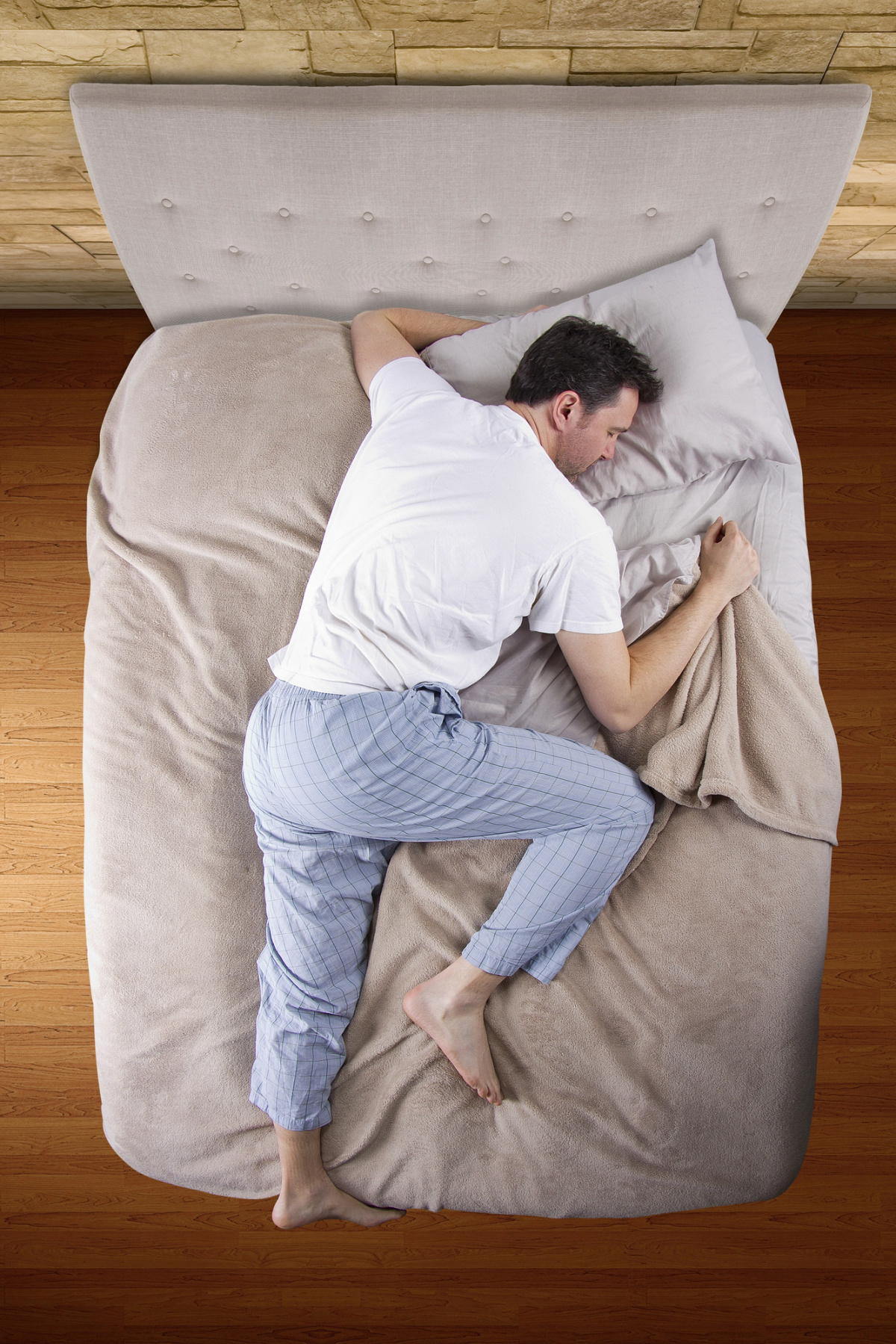
Although there’s a lot you can do to improve your sleeping environment, perhaps the factor that has the greatest immediate impact on your sleep is your mattress. If you have difficulty sleeping because you don’t feel comfortable, then choosing a mattress that suits your sleeping position and helps with your spinal health might be key. If you're replacing your mattress, it's also worth reviewing whether your current bed frame still offers adequate support, queen size beds that pair a quality frame with the right mattress make a significant difference to overall sleep comfort. For instance, firmer mattresses tend to better support those who sleep on their back, while side sleepers might get more support with a softer mattress. Mattresses can lose this support over time, so consider how old yours is and when you might need to replace it.
When Medication Might Be The Right Option
If your sleep problems are severe or have been going on for a long time, then you might want to consider the medical approach. There are different types of medications you can try, such as trazodone for sleep, but it’s always wise to use them under the guidance of a healthcare professional, especially if you have any other health conditions affecting you or medications that might potentially have interactions with them. The effects of medication are typically best when combined with other approaches, such as lifestyle changes or even therapy.

What About Therapy?
Although it might not be the most obvious approach to dealing with sleep issues, trouble sleeping is often linked to stress and anxiety, especially around bedtime. Cognitive behavioral therapy is considered a highly effective treatment for people facing negative thought patterns or behaviors that are making it difficult for them to sleep. It’s not a quick fix, but it can help you identify the root causes of sleep issues, develop healthier sleep habits and addressing your mental health at the same time. It’s often considered a first-line treatment for chronic insomnia, alongside medication.
Explore Other Sleep Aids
So long as they don’t interfere with any other treatments you’re attemtping, a lot of people find sleep aids to be highly helpful. White noise machines are a popular example, creating a consistent background noise that can mask disturbances and help people get into a more relaxed state. Aromatherapy is another common option, with scents like lavender often used to promote calm and redue stress before bedtime. While they might not solve the underlying issues on their own, they can be a powerful support for the other strategies mentioned, creating a bedtime that’s more conducive to good rest.
As frustrating as having trouble sleeping can be, there are plenty of steps you can take to improve your rest. However, it’s important to get the medical support you need when the issue is chronic or is starting to affect your quality of life beyond the bedroom.

- A Guide to Assessing and Selling Valuable Possessions - July 20, 2026
- How to Inspect an Inflatable Water Slide Before Each Use - July 20, 2026
- Uncovering Health Clues Through Your Hearing - July 18, 2026