Knitting has always offered a particular kind of satisfaction: a few simple tools, a length of yarn, and the gradual appearance of something useful or beautiful. Yet for newcomers and experienced knitters alike, choosing a new project can be surprisingly complicated. What yarn weight should you use? How much will you need? Are the needles compatible with the pattern? Is a “beginner” project actually manageable?
Knitting kits are answering many of those questions before the first stitch is cast on. By bringing together a pattern, suitable yarn, and the materials needed to complete a project, they make the creative process feel more accessible without removing the pleasure of making choices. Their growing popularity says something broader about how people want to spend their leisure time: with less friction, more focus, and a tangible result at the end.
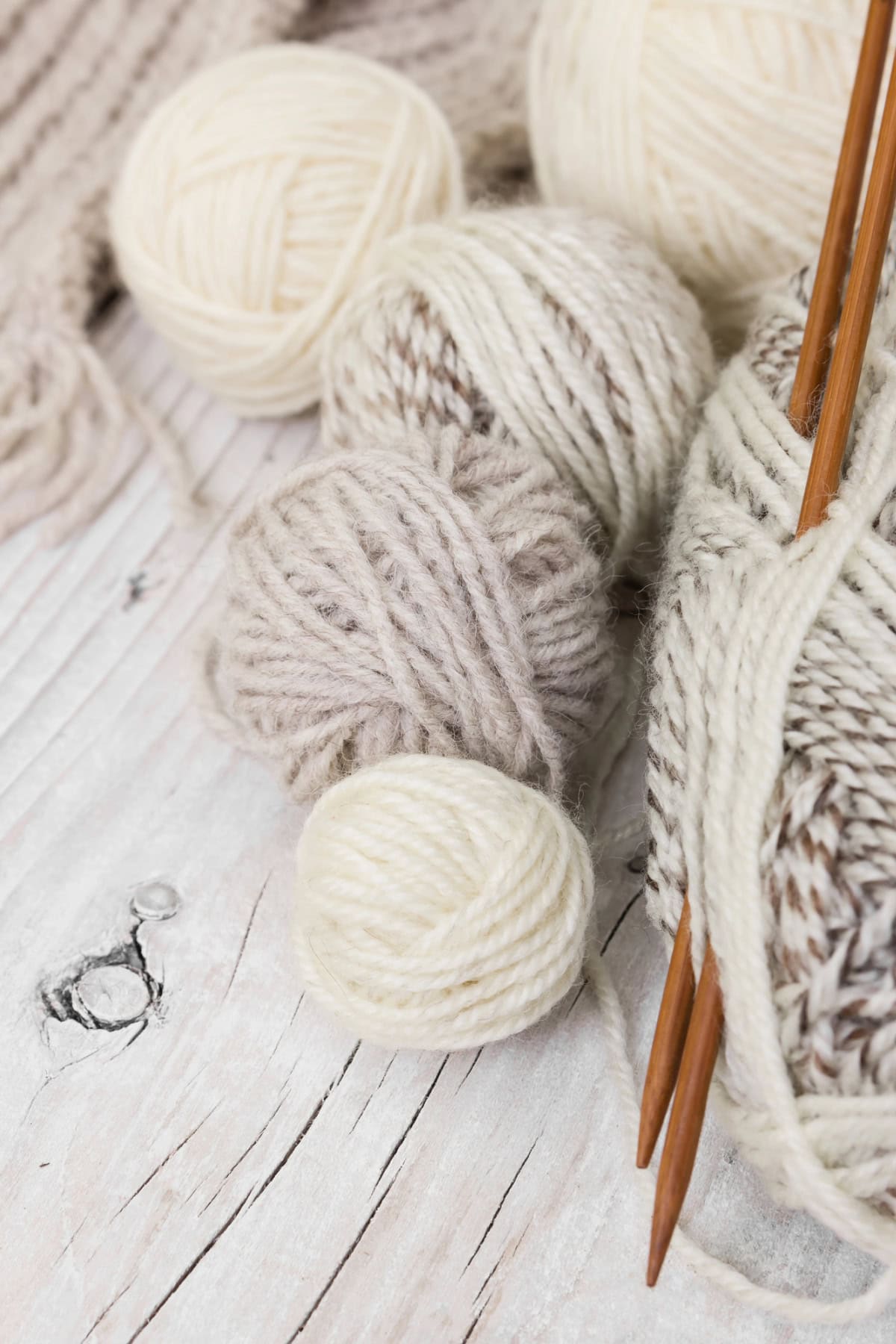
The appeal of a project with fewer unknowns
For someone learning to knit, the biggest hurdle is not always mastering knit and purl stitches. It is often the planning stage. A pattern may list yarn in a brand that is unavailable locally, use terminology that is unfamiliar, or call for a gauge swatch that seems intimidating before a beginner has even started.
More experienced knitters encounter a different version of the same problem. They may have enough yarn in their stash to fill several cupboards, but no clear idea of what to make next. Decision fatigue is real, especially when every potential project comes with dozens of yarn, colour, needle, and sizing choices.
A kit narrows the field in a useful way. Instead of beginning with a blank page, the maker begins with a coherent project. The yarn has been selected to suit the design, the quantities have been considered, and the pattern is intended to work with those materials. That does not guarantee a mistake-free experience—nor should it—but it removes avoidable uncertainty.
Confidence matters, especially at the beginning
The best early projects build skills without making the learner feel tested at every row. A simple scarf may introduce tension and edge stitches; a hat can teach ribbing and shaping; a small toy may make increases and decreases feel more purposeful. Because the project has a clear destination, each new technique has context.
This is one reason kits work well for people returning to knitting after years away. They offer enough guidance to get started without the formality of a class. There is no need to spend an evening comparing fiber blends or trying to calculate whether three balls of yarn will be enough for a child’s jumper.
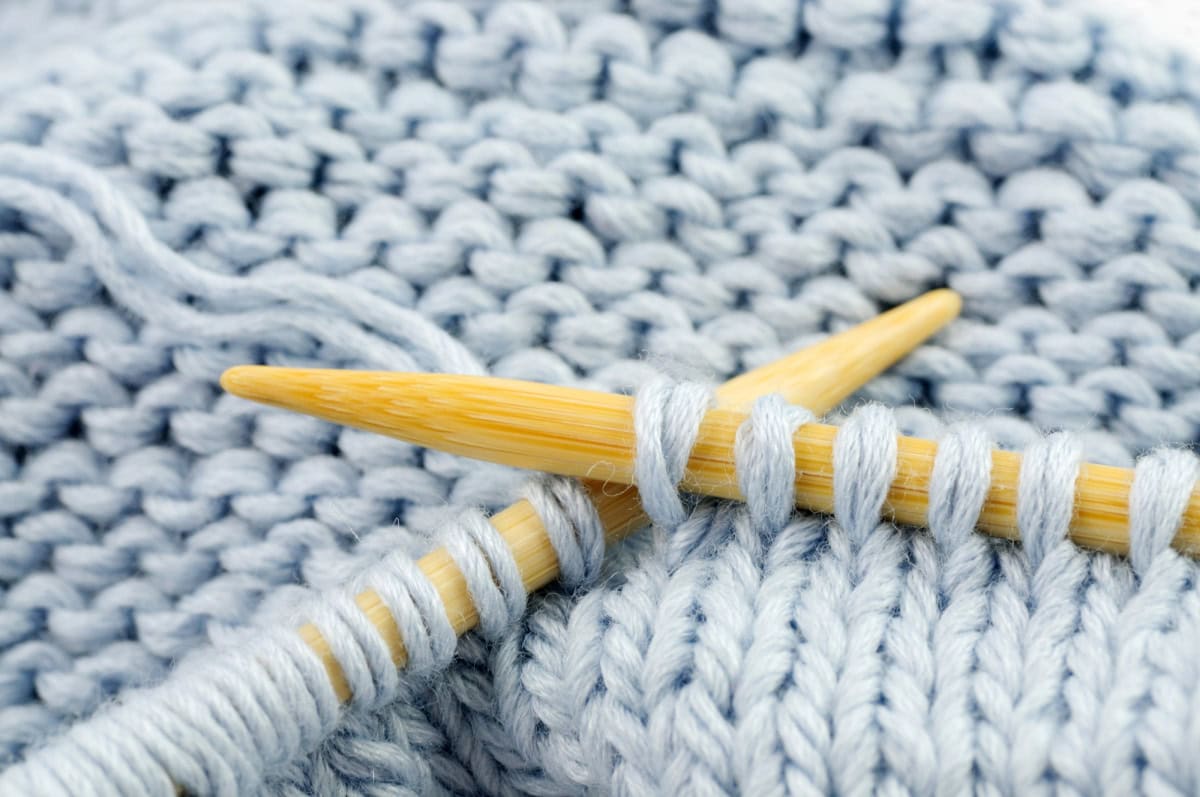
Kits make experimentation less daunting
Trying a new type of knitting can feel like a bigger commitment than it needs to be. Perhaps you have only worked flat and want to knit in the round, or you are curious about colourwork but unsure whether you will enjoy managing multiple strands. A well-designed kit gives you a defined, lower-risk route into those techniques.
That is particularly helpful when moving beyond basic garments. Makers can explore cushions, seasonal decorations, baby clothes, textured accessories, or soft toys without having to source every component separately. Browsing collections of ready-to-make knitting projects can also be a useful way to see how different yarns, stitches, and finished items fit together before committing to a more ambitious idea.
The point is not that knitters should stop choosing yarn independently. Selecting colors and fibers is one of the pleasures of the craft. Rather, kits can act as a bridge: they let people sample a style, construction method, or material with a little more confidence. Once they know they enjoy it, they can adapt the idea in future projects.
A response to the need for slower, practical hobbies
The renewed interest in knitting is tied to more than fashion or nostalgia. Many people are looking for screen-free activities that create a natural pause in the day. Knitting is portable, repetitive in a calming way, and easy to pick up for ten minutes at a time. It also produces visible progress, which can be deeply rewarding in a world where much work happens behind screens.
Kits fit neatly into that appeal. They turn an abstract intention—“I should do something creative”—into a practical starting point. The materials arrive with a purpose, rather than becoming another collection of supplies waiting for the right moment.
There is also a growing preference for making items that last. A hand-knitted hat, blanket, or pair of mittens may take longer than buying a mass-produced equivalent, but the process creates a different relationship with the finished object. Makers understand the yarn, the construction, and the effort involved. That knowledge often encourages better care and repair.
What makes a knitting kit genuinely useful?
Not every kit offers the same experience. The most helpful ones strike a balance between convenience and clarity. Before choosing one, it is worth looking beyond the photograph of the finished item.
A good kit should make the next steps obvious. In practice, that means considering:
- whether the skill level is described honestly;
- whether yarn quantities and fibre content are clearly stated;
- whether the pattern uses terms you can follow;
- whether needles, stuffing, buttons, or other essentials are included or listed separately; and
- whether the finished size and gauge information are easy to find.
For beginners, it is usually wise to choose a project with one or two new techniques rather than five. A kit is most enjoyable when it stretches your ability without turning every instruction into a puzzle. For experienced knitters, the calculation changes: a kit may be worthwhile because it introduces an unusual yarn, a clever construction, or a design they would not otherwise have considered.
Community, gifting, and the pleasure of finishing
Knitting kits also travel well as gifts. Giving yarn alone can be difficult because personal preferences vary, but a complete project has a clearer invitation: here is something you can make. That makes kits appealing for birthdays, new parents, seasonal celebrations, or anyone beginning a creative hobby.
They can also support the social side of knitting. Friends can choose similar projects for a knit-along, while local groups may use kits as an approachable introduction for newcomers. Shared projects create easy conversation, even when everyone works at a different pace.
Ultimately, knitting kits are popular because they respect people’s time while preserving the craft’s essential pleasures. They reduce the barriers around getting started, encourage experimentation, and provide a satisfying sense of direction. For a hobby built stitch by stitch, that small amount of structure can make all the difference.

- The House Can Look Fine While the Roof Is Quietly Losing the Fight - October 14, 2026
- Smart Ways to Plan Time Off Work for Breast Augmentation Surgery - October 14, 2026
- Is Laser Hair Removal Worth It? 5 Ways It Saves Time and Money Long-Term - October 14, 2026