Relocating with a family involves more than just packing boxes and booking transportation. It’s about creating a seamless transition for every household member while considering their individual needs.

TIPS FOR A STRESS-FREE FAMILY-FRIENDLY RELOCATION
Families need a structured approach to make their move both smooth and stress-free. Preparation is key, whether it’s about organizing possessions, selecting the right neighborhood, or handling the many moving parts of relocation. One often-overlooked step is boarding your animals while preparing to move, which can greatly reduce stress for both pets and family members. Ensuring your pets are safe and cared for during packing and moving days helps prevent accidental escapes, keeps them calm, and allows you to focus on key tasks without added worry. Please keep reading for practical advice and checklists tailored to families planning their next big move.
CHOOSING THE RIGHT MOVING SERVICES FOR FAMILY NEEDS
Relocating with a family requires careful planning, and selecting the right moving services is a critical first step. Families often have unique needs, such as transporting large furniture, fragile items, and cherished keepsakes, which makes hiring professionals essential. A smooth transition begins with a trusted partner who understands these challenges and provides tailored solutions.
It helps to look locally for a moving company that knows the area. For example, people in the Miami area would want to hire a local Miami moving company specializing in family relocations; you gain access to expert services designed to streamline the process. Their familiarity with the area ensures efficient navigation, optimized routes, and minimal delays, allowing you to focus on settling into your new home.
Local movers also offer practical benefits, such as short-term storage options, which can be invaluable when timelines don’t align perfectly.
When choosing a moving company, comparing options based on customer reviews, service packages, and overall value is important. Look for movers with proven experience, strong community ties, and a track record of reliability to make your family’s relocation as seamless as possible.
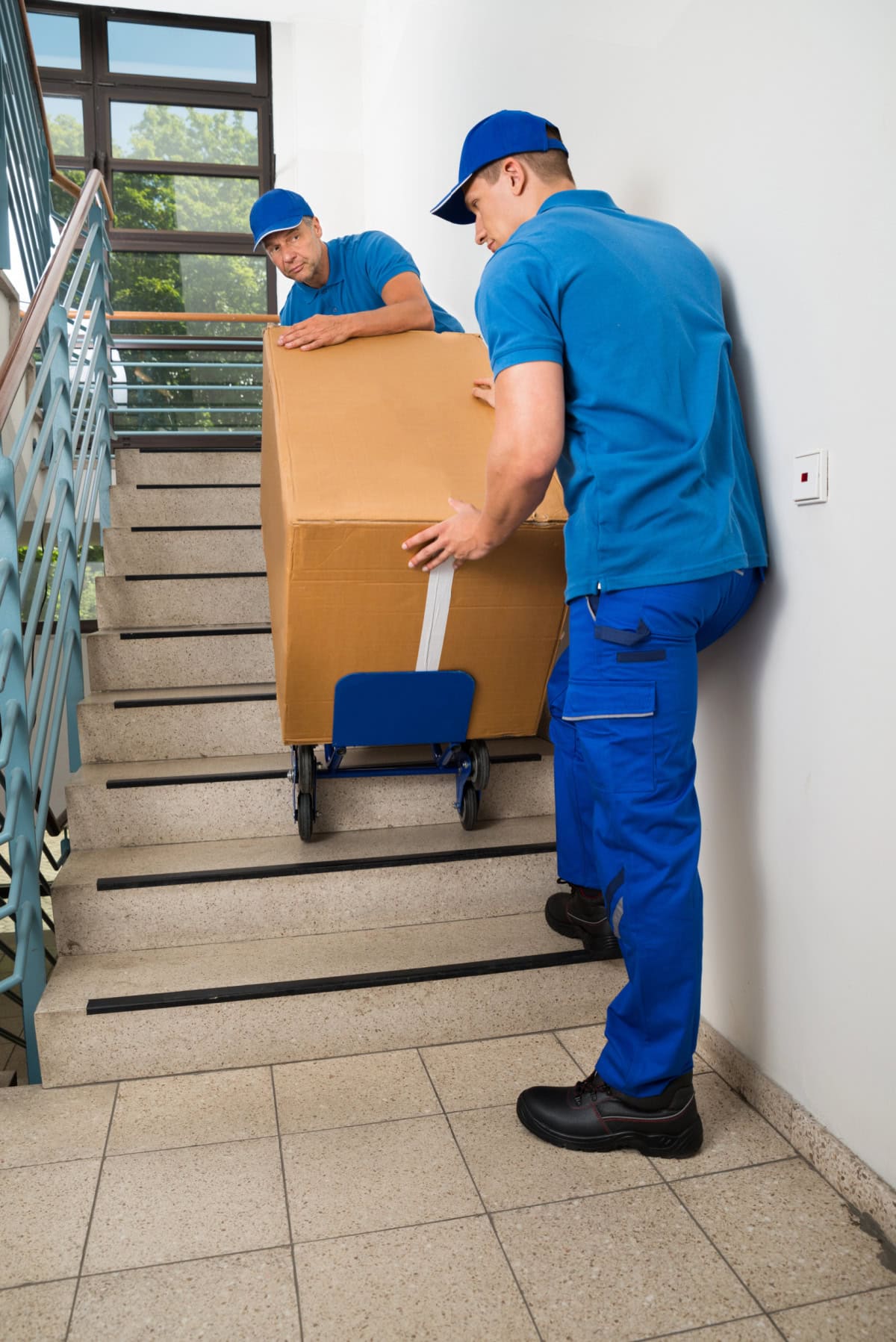
PACKING ESSENTIALS FOR FAMILIES: ORGANIZE, LABEL AND SECURE
Packing is one of the most time-consuming aspects of moving, especially for families with children. Developing a packing strategy early can save time and reduce stress. Begin by decluttering—this means sorting through items and deciding what to keep, donate, or discard. Involve all family members in this process, teaching kids the value of organization while making the task more engaging.
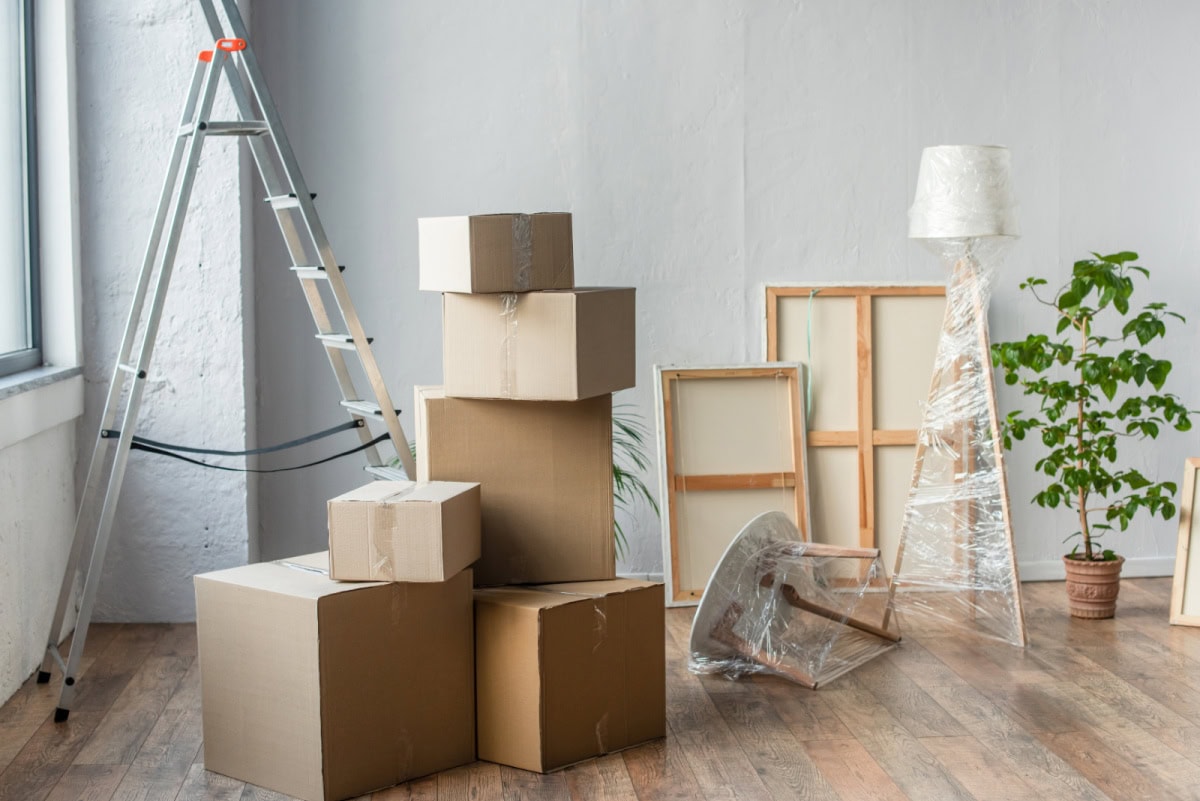
Once you’ve minimized unnecessary items, create a packing schedule that prioritizes less-used belongings first. Ensure each box is labeled clearly, specifying the room it belongs to and its contents. Color-coded labels or stickers can make unpacking easier, especially for larger families. For fragile items, use sturdy packing materials like bubble wrap, foam, and reinforced boxes to prevent damage during transit.
Don’t forget to create an “essentials box” for each family member. These boxes should include must-have items like toiletries, a change of clothes, medication, and basic school supplies. For parents with younger children, include toys, snacks, and comfort items to help them settle in while adjusting to the new environment.

FINDING FAMILY-FRIENDLY NEIGHBORHOODS AND SCHOOLS
A family-friendly move goes beyond transporting belongings; it involves finding the right neighborhood where children can thrive. Research potential areas extensively, focusing on safety, access to parks or recreational facilities, and proximity to quality schools. Online tools and local forums can provide valuable insights into neighborhood amenities and community vibes.
For families with school-aged children, the quality of education is a top priority. Before finalizing your choice, explore school ratings, visit campuses, and speak with local parents to understand the school environment. Consider factors like class sizes, extracurricular programs, and proximity to your new home.
It’s also important to evaluate other aspects of the neighborhood, such as healthcare access, shopping convenience, and community activities. These factors contribute to long-term family satisfaction, helping to create a supportive environment where everyone can feel at home.
PREPARING CHILDREN FOR THE BIG MOVE
Relocating can be overwhelming for children as they face changes in their routines, friendships, and surroundings. To ease this transition, involve them in moving as early as possible. Open communication is essential—explain why the move is happening and how it will benefit the family. Reassure them about maintaining connections with old friends while creating opportunities to meet new ones.
Take your children to visit the new neighborhood before the move, if possible. This allows them to explore local parks, schools, and attractions, helping them visualize their new life. Encourage them to ask questions and express their concerns, validating their feelings throughout the process.
On moving day, make the experience enjoyable by assigning age-appropriate responsibilities. Younger kids can help pack personal belongings, while older ones can assist with tasks like organizing boxes or preparing meals. Providing them with a sense of involvement can foster excitement and reduce anxiety.
MANAGING LOGISTICS AND DOCUMENTATION
Moving vs relocating involves a lot of paperwork, from updating addresses to transferring utilities and ensuring all family documents are in order. Create a checklist to track tasks such as notifying your child’s school, updating medical records, and transferring vehicle registrations. Organize these documents in a dedicated folder to avoid last-minute scrambling.
Notify your utility providers well in advance to schedule disconnections and reconnections at your new residence. Similarly, ensure postal services redirect your mail starting from your move date. Families with pets should not forget to update their records and plan for their transportation needs.
SETTLING INTO YOUR NEW HOME
Once the move is complete, create a welcoming environment that makes the transition easier for everyone. Unpack room by room, starting with shared spaces like the kitchen and living area, which can quickly establish a sense of normalcy. Allow each family member to personalize their space, adding familiar touches like photos or favorite décor to make the new house feel like home.
Explore the neighborhood together by taking walks, visiting local attractions, and participating in community events. These activities help families adjust while building connections with neighbors. Encourage your children to join extracurricular activities or clubs to meet peers with similar interests, fostering friendships in the new area. All in all, relocating with a family doesn’t have to be overwhelming. With careful planning, open communication, and a focus on individual needs, families can turn a challenging process into an exciting new chapter.
Check out these other great articles while you are here:
- 9 Necessary Home Skills to Teach Teens
- Moving Tips to Keep You Sane
- How to Motivate Kids to Get Moving in the Morning

- Specialty Instant Coffee Is Finding a Place in the Travel Bag - October 22, 2026
- How to Plan a Memorable 60th Birthday Celebration at Home - October 22, 2026
- The Seamless Look: How to Choose the Right Brick-In Letterbox for Your Home - October 22, 2026