Eleven minutes. That’s how long most people give a store-bought bouquet before it lands in a mason jar with a crooked stem and a half-collapsed fern hanging off the side. I’ve done it. You’ve done it. The flowers were lovely, and the table still looked like laundry day.
Here’s the fix: a hand-tied bunch is already designed. You don’t need to rebuild it. You need to stop fighting its shape, give it a vase with the right throat, and let one other thing on the table carry color so the flowers don’t have to do all the work. Promise: by the end of this piece you’ll have a five-step method, a vase cheat sheet, and a plan for the two hours before your partner walks in the door.
One quick word on sourcing, because it changes how you shop. If you’re ordering ahead, a roses bouquet shipped as a hand-tied bunch usually arrives wrapped and ready, which means your job is placement, not arrangement. Walk into a grocery store instead, and you’re buying stems, which is a different evening entirely. Know which one you’re doing before you commit.
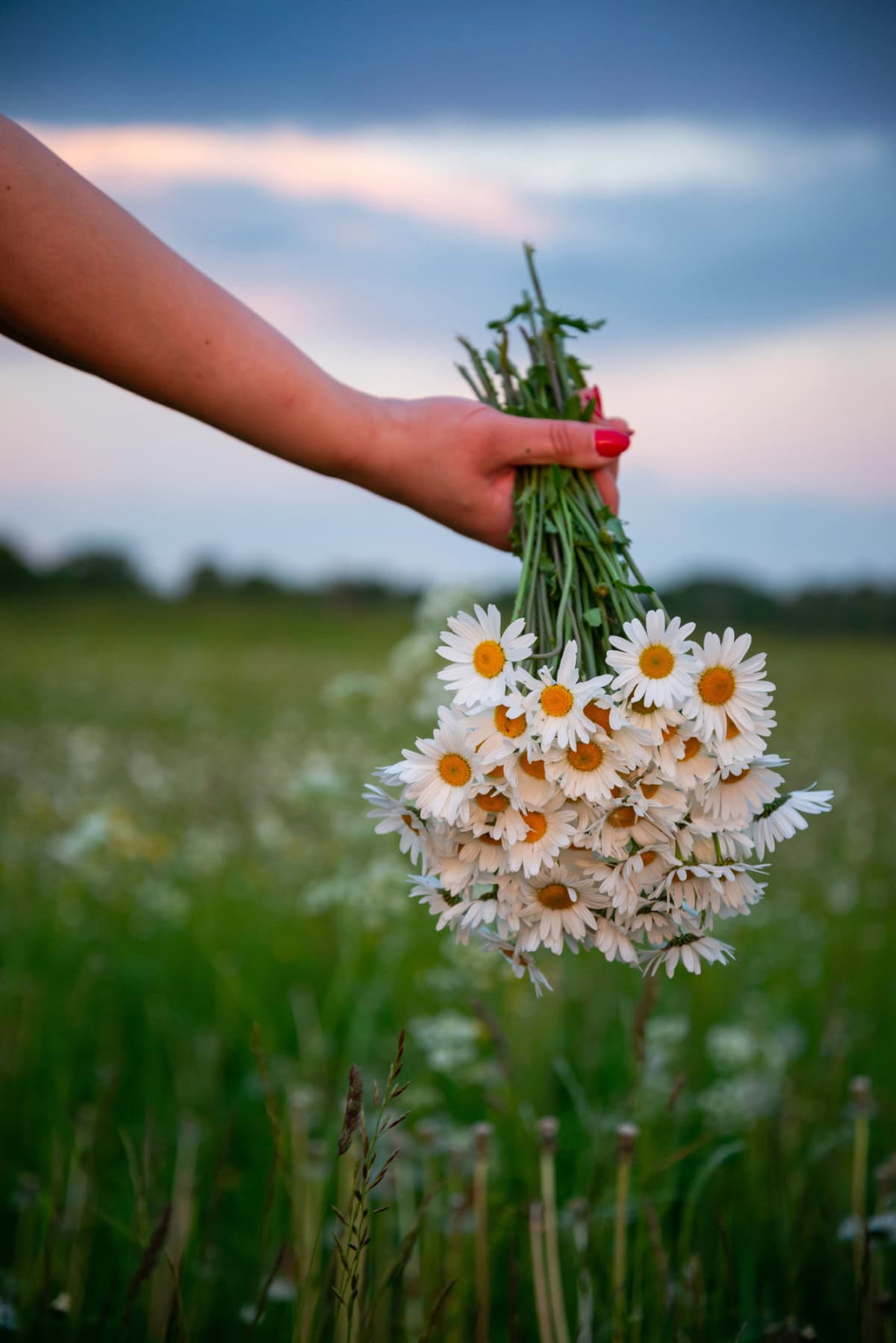
Why does a hand tied bunch droop in a wide vase?
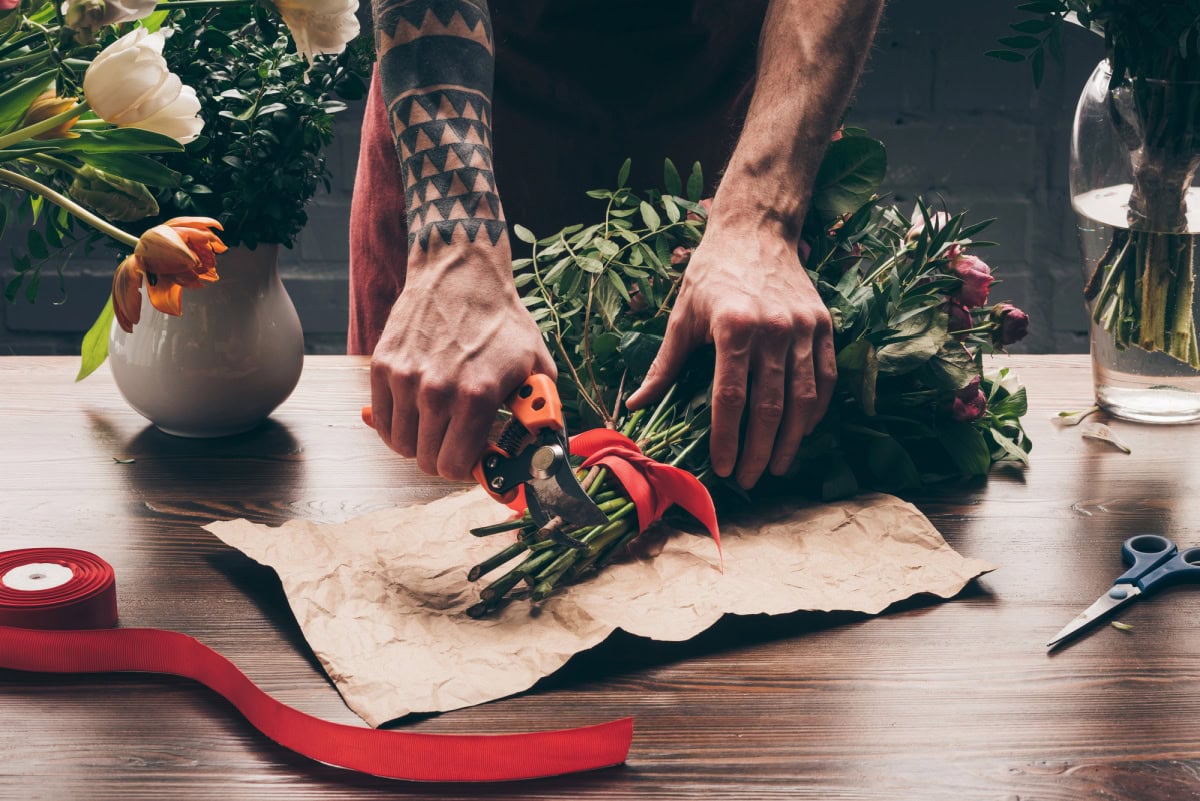
Because the bunch was bound at a single point. A florist spirals the stems so they cross at one spot and fan out at both ends, and that crossing point is the whole architecture. Drop it into a bowl and the fan has nothing to lean against, so every stem flops outward like a dropped deck of cards.
Match the vase throat to the tie point. As a rule, the narrowest part of your vessel should sit at roughly the same height where the binding sat. If you can’t see the tie point, hold the bunch in one hand at the spot that feels balanced and measure from there. That measurement is your shopping list.
My stance, since you asked for one: skip the trendy clear glass cube. It photographs well and hides nothing, and by dessert the stems have drifted sideways into a lopsided triangle. A ceramic cylinder with a slightly tucked neck costs less and forgives more.
The five minute method I use every time
This is the part you can do with one hand while the pasta water comes to a boil. Steps run in order because each one protects the next.
- Cut and condition first. Trim an inch off each stem at a slant, strip any leaf that would sit below the waterline, and stand the bunch in cool water for twenty minutes while you set the table.
- Test the fit dry. Set the bunch in the empty vase. If it wobbles, add a loose tie of twine an inch below the original binding, or switch to a narrower vessel. Do not stuff it tight.
- Build a low base. Three or four stems removed from the bunch and laid almost horizontally across the mouth of the vase hide the mechanics and widen the silhouette. Save them before you set everything else.
- Fill, then turn. Add water to two-thirds, then rotate the vase a quarter turn and look from across the room. Fix the single worst angle only.
- Light from the side. A candle placed to the left or right of the vase, never directly behind it, throws soft shadow across the petals and makes the whole table look intentional.
Total clock time once the flowers are conditioned: about five minutes. The conditioning is the slow part, and it’s the part people skip, which is why their bouquets look tired by the main course.
Vase, water, and the boring details that decide everything
Clean vessels matter more than pretty ones. According to the U.S. Department of Agriculture, cut flowers keep best in clean, cool water, and bacteria buildup in the vase shortens their life faster than almost anything else. Soak your vase in hot soapy water, rinse, and skip the shortcut of topping off yesterday’s water.
Two more practical notes. Lukewarm water hydrates faster than ice-cold for most stems, and change it every other day if the flowers need to survive past the weekend. Pull the bunch out, rinse the stems, recut a quarter inch, and reset. Your date night flowers become the week’s flowers, which is a nice bit of quiet value nobody notices but you will.
A quick vase cheat sheet
| Bunch style | Vessel that works | What to avoid |
|---|---|---|
| Tall roses, tight spiral | Cylinder, 8 to 10 inches tall | Anything wider than your hand |
| Mixed garden bunch | Squat ceramic bowl with a narrow neck | Tall thin glass that hides the color |
| Loose, wildflower feel | Mason jar with a twine tie | Formal crystal, it fights the mood |
Making the table match the bunch
Flowers and candles both lean on the table setting, and the setting is where most home date nights either land or fall apart. Pick one accent color from the bouquet, then repeat it twice on the table: a napkin, a small dish of olives, a paperback with a matching spine. Two repeats. Stop there.
I’d rather see a bare wood table with one good bunch and two taper candles than a fully dressed table with a mediocre centerpiece. Clutter reads as effort, and effort reads as stress. If you own cloth napkins, use them. If you don’t, fold paper ones into a triangle and nobody will file a complaint. Add a small plate of something you can eat with your fingers so no one has to jump up mid-conversation. Phones face down, in another room if you’re serious about it.
Where a hand tied bunch really shines
Hand tied bouquets have a long history in the trade. The Royal Horticultural Society documents the practice of binding stems in a spiral so they hold their shape without a container, which is why florists can carry a finished arrangement across a shop floor and set it straight into a vase. That engineering is also why you shouldn’t untie it. The bind is the design.
The dated look is the fun part if you lean in. A bunch wrapped in brown paper, tied with ribbon, and left half unwrapped on the counter looks like a market stall. The Internet Archive keeps scanned mid century catalogs full of these wrapped bunches, and browsing them for ten minutes will teach you more about proportion than most styling videos. Steal the paper, skip the plastic sleeve.
Your two hour timeline
Work backward from when your partner gets home. Two hours out, condition the stems and set the vase where it will live all night, not where it looks cute for a photo. Ninety minutes out, clear the table, light nothing yet, and start whatever’s cooking. An hour out, arrange the bunch, add the two accent repeats, and set the candles in position unlit. Thirty minutes out, shower and get dressed. Ten minutes out, light the candles and put on music at a volume that allows talking.
The one thing I’d change if I were you: buy the flowers a day early, not on the way home. A bunch that has already drunk water for a night opens up and looks relaxed instead of stiff, and relaxed is the whole point.
Your table doesn’t need to look like a magazine spread. It needs to look like someone thought about it for five minutes. The vase is right, the water is clean, the candles are lit on the side, and the bunch is doing exactly what it was built to do. Set the table tonight and tell me one thing you’d change about the room before the door opens.

- How to Style a Hand-Tied Bunch for a Date Night at Home - November 22, 2026
- Spa Gifts for an At-Home Self-Care Night - November 21, 2026
- Best Life360 Alternatives: iSharing, Scannero and Google Family Link Compared - November 21, 2026