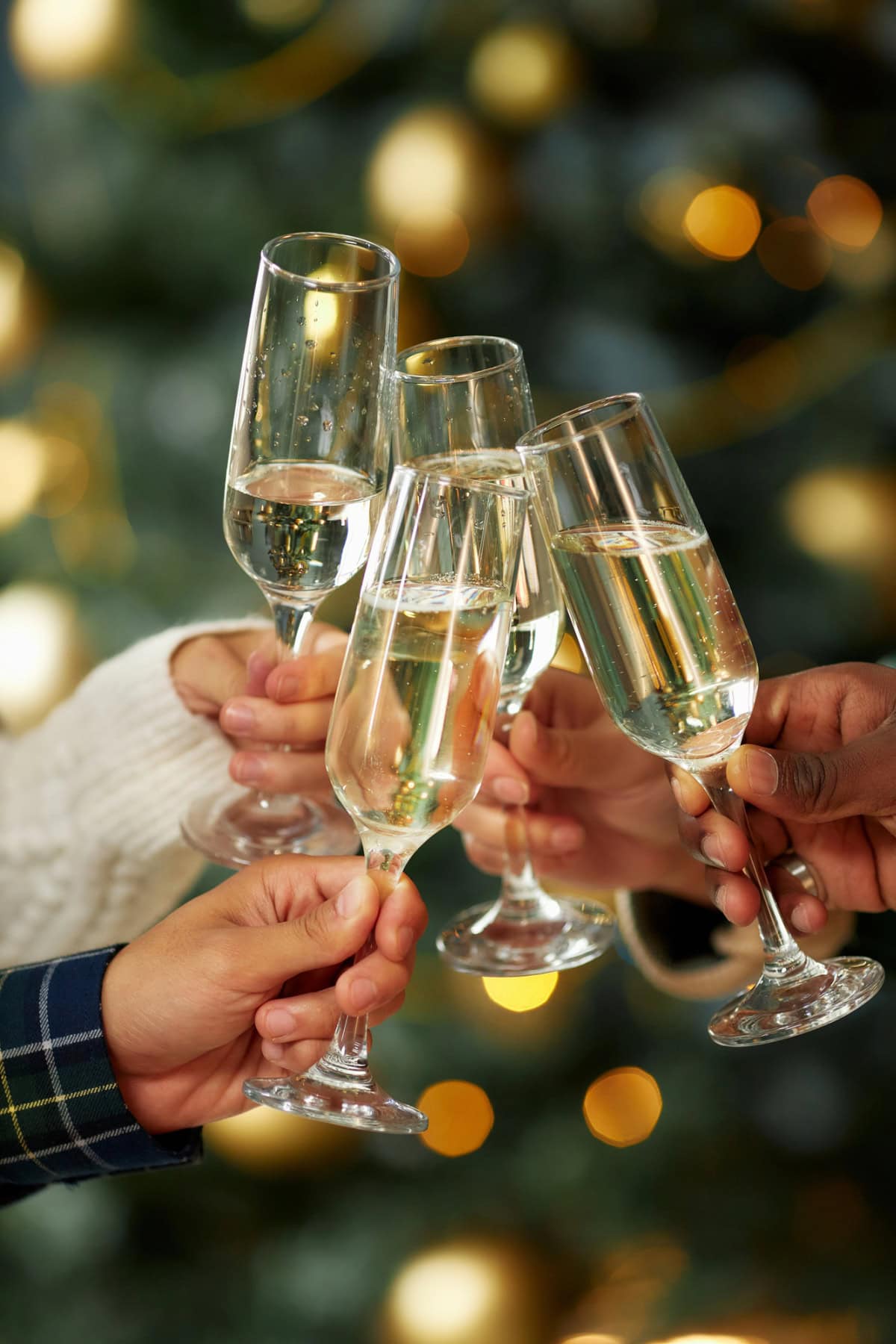
Two bottles sit side by side on the shelf, both wrapped in gold foil, both promising a celebration without alcohol. Non-alcoholic champagne and sparkling cider aren’t the same drink, and the gap shows up the second you pour them. One starts with wine grapes, the other with pressed apples, so they behave differently on the palate, at the table, and in a toast. This comparison covers how each one is made, how they taste, which occasions suit them, what they carry in sugar and alcohol, and how to serve them.
What’s the Difference Between Non-Alcoholic Champagne and Sparkling Cider?
Non-alcoholic champagne is dealcoholized sparkling wine: winemakers ferment grapes into wine, then strip the alcohol out. Sparkling cider is carbonated apple juice, and in most cases it never ferments at all. That single difference in base fruit explains almost everything else, because grape skins and grape acids give you tannin, minerality, and a dry finish that apples can’t reproduce.
The naming adds confusion. True Champagne comes from one region in France, so bottles sold in Canada carry labels like dealcoholized sparkling wine, alcohol-free sparkling, or sparkling grape beverage instead.
Reading those labels is the fastest way to know what you’re actually buying, because the front of a bottle rarely tells you whether grapes or apples are inside. Retailers like Upside Drinks file their non alcoholic champagne bottles under sparkling wine, which lets you confirm the grape base and the production method before you order. That saves you from opening a sweet apple drink at a dinner where a dry sparkling wine was the plan.
How Non-Alcoholic Champagne Is Made
Producers make a complete wine first, with real fermentation, real yeast contact, and often a second fermentation for bubbles. They then remove the alcohol through vacuum distillation, which works at low temperature, or through reverse osmosis, which filters alcohol out under pressure.
Both methods pull aromatic compounds along with the alcohol, so producers add back grape juice, aroma concentrate, or a touch of sugar to rebuild body. Carbonation comes last. The quality of that final balancing step is what separates a bottle that tastes like wine from one that tastes like grape soda.
How Is Sparkling Cider Made?
Sparkling cider skips fermentation entirely in its most common form. Producers press apples, filter and pasteurize the juice, then inject carbon dioxide before bottling.
A smaller category exists on the other side of the shelf: dealcoholized hard cider, made by fermenting apple juice into alcoholic cider and then removing the alcohol. Those bottles taste drier and more complex than carbonated juice, which is why they sit closer to non-alcoholic champagne in style.
Taste and Sweetness: Which One Is Drier?
Non-alcoholic champagne is the drier of the 2 in nearly every head-to-head. Grape acidity, a finer bead of bubbles, and the faint bitterness left by grape skins cut the sweetness on the finish. Sparkling cider leads with apple sugar, so it reads rounder and juicier from the first sip.
Flavor Profile of Non-Alcoholic Champagne
Expect green apple, citrus, white flowers, and sometimes a bready note from yeast contact. Better bottles keep a crisp, mineral finish that resets the palate between bites, which is exactly what you want alongside food.
The trade-off is structure. Alcohol carries weight and aroma in wine, so removing it thins the mid-palate. Dosage, the small amount of sugar added at the end, is what producers use to rebuild that missing body.
Why Sparkling Cider Tastes Sweeter?
Apple juice arrives with its sugar intact, and nothing ferments it away. Carbonation lifts the aroma but doesn’t reduce sweetness, so the drink keeps the profile of the fruit it came from.
That sweetness is a feature for some tables. Kids drink it happily, guests who don’t like wine find it familiar, and it handles spicy or salty food better than a dry sparkling wine does.
Which Drink Fits Your Occasion Better?
Match the drink to the room. Non-alcoholic champagne fits moments where guests are drinking wine and nobody should feel served a lesser glass. Sparkling cider fits mixed-age gatherings where the drink needs to please a 9-year-old and a grandparent in the same pour.
Weddings, Toasts, and Milestone Celebrations
A dry sparkling wine holds its own in a flute next to the real thing. The colour matches, the bubbles behave the same way, and the dry finish keeps the glass drinkable through a long round of speeches.
Sparkling cider photographs beautifully and costs less, so it works well for large guest counts and children’s tables. Its sweetness becomes noticeable after the second glass, though, which is why many hosts pour cider for the reception and save the sparkling wine for dinner.
Which Option Works Better for a Date Night at Home?
Non-alcoholic champagne wins the dinner. It pairs with everything you’d normally cook for a special evening, from grilled fish to roast chicken to a cheese board, because its acidity does the same work a real wine would.
Sparkling cider earns its place earlier in the evening or later with dessert. A cold glass of cider with an apple tart or a pan of caramelized fruit tastes deliberate rather than like a substitute.
Nutrition and Alcohol Content Compared
Neither drink is a health product, and both carry sugar from fruit. The difference is where that sugar comes from and how much survives production.
How Much Sugar Does Each Drink Contain?
Sparkling cider generally carries more sugar per glass, since unfermented apple juice keeps all of its natural fructose. Non-alcoholic champagne starts from fermented wine, where yeast already consumed part of the grape sugar, so what’s left is mostly the dosage the producer added back.
That makes the label the only reliable guide:
- Brut or extra-dry on a dealcoholized sparkling wine signals a low-sugar bottle.
- Demi-sec or doux signals a sweeter one.
- Sparkling cider rarely uses those terms, so check the nutrition panel per 100 ml instead.
Does 0.5% Still Count as Non-Alcoholic?
Most bottles marketed as non-alcoholic in Canada sit below 0.5% alcohol by volume, which is the threshold the category works with. Dealcoholized sparkling wines usually land in that zone because removal processes leave a trace behind.
Carbonated apple juice is the safer pick when the answer needs to be zero, since nothing fermented in the first place. Anyone avoiding alcohol for medical, religious, or recovery reasons should read the bottle rather than the shelf label, because 0.0% and 0.5% are different promises.
How to Serve and Pour Each Drink
Service changes how both drinks taste, and the fixes are simple.
Serving Temperature and Glassware
Serve non-alcoholic champagne at 6 to 8 degrees Celsius in a flute or a white wine glass. Without alcohol to carry aroma, a slightly wider bowl helps the fruit show up.
Sparkling cider takes a colder pour, closer to 4 degrees, because cold tempers sweetness. A tumbler or a coupe works fine, and a thin slice of apple in the glass adds aroma without turning the drink into a cocktail.
Food Pairings for Each Bottle
Dry sparkling wine handles salt and fat. Oysters, fried appetizers, soft cheese, and roast poultry all sit well next to it.
Cider handles sweetness and spice. Pork, sharp cheddar, curry, and fruit desserts pair naturally, and the sugar in the glass keeps chili heat in check.
What to Remember Before Picking Your Bottle
The choice comes down to the base fruit. Grapes give you a dry, wine-like glass that belongs at the dinner table and in a formal toast. Apples give you a sweeter, friendlier drink that suits crowds, kids, and dessert.
Read the label for the base fruit, the sugar level, and the alcohol figure, then pour it cold. Those 3 checks settle the question faster than any brand comparison.
Frequently Asked Questions About Non-Alcoholic Champagne and Sparkling Cider
Is non-alcoholic champagne the same as sparkling cider?
No. Non-alcoholic champagne is dealcoholized sparkling wine made from grapes, and sparkling cider is carbonated apple juice. They differ in base fruit, sweetness, and acidity, even though both pour with bubbles and both contain little to no alcohol.
Can you use non-alcoholic champagne for a toast?
Yes, and it’s the closer match for a formal toast. The color, the bubble size, and the dry finish read like the alcoholic version in a flute, so guests who aren’t drinking don’t end up with an obviously different glass.
Which one is better for kids at a celebration?
Sparkling cider. Its sweetness suits younger palates, and unfermented versions contain no alcohol at all, which removes any question about serving it to children.
Does non-alcoholic champagne have sugar?
It does. Producers add grape juice or a dosage of sugar after removing the alcohol to restore body and balance. Brut and extra-dry bottles carry the least, so check the label if sugar matters to you.
How long does an opened bottle stay bubbly?
About 1 to 3 days with a proper sparkling wine stopper in the fridge. Both drinks lose carbonation faster than alcoholic sparkling wine, so pour what you plan to drink and seal the bottle right after.

- Family Cycling with Kids: How to Keep Young Riders Motivated on Longer Rides - October 15, 2026
- When a Marriage Ends but the Mortgage Doesn’t Get the Memo - October 15, 2026
- Non-Alcoholic Champagne vs Sparkling Cider: How to Choose Your Bubbles - October 15, 2026