Finishing a painting by numbers feels genuinely satisfying. But leaving that canvas unprotected? That’s a mistake most beginners only make once. Paint layers fade, chip, and collect dust over time, and without a proper sealant, the work you put in deteriorates faster than you’d expect.
The right sealing method depends on the finish you’re after, where the canvas will live, and how much handling it’ll see. Here are five methods that actually work.
Use a Spray Varnish for an Even, Professional Finish
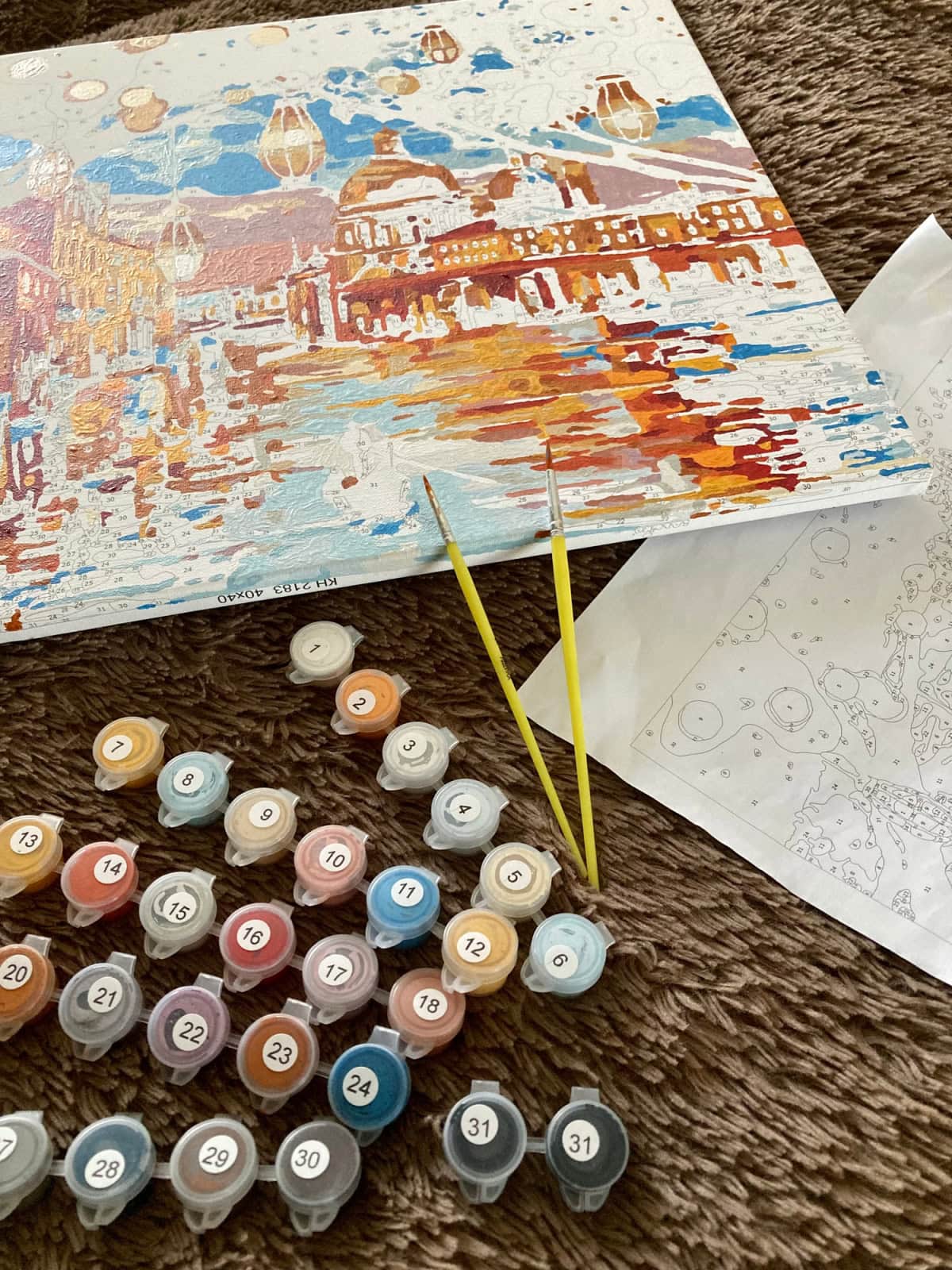
Custom paint by numbers kits typically use acrylic paints, and acrylic-friendly spray varnish bonds with that paint chemistry in a way brush-on products sometimes can’t match. It’s one of the most popular sealing options among hobbyists, it goes on in thin, even coats without dragging a brush across delicate dried paint, giving you consistent coverage across the entire canvas, corners included.
Look for an acrylic spray varnish labeled matte, satin, or gloss depending on your preference. Matte finishes cut glare and look closer to a traditional oil painting. Gloss makes colors pop and photographs well. Satin sits right in between. Hold the can about 10 to 12 inches from the canvas and apply in smooth horizontal passes; don’t stop moving mid-spray, or you’ll get uneven buildup in one spot. Two to three thin coats, with 30 minutes of drying time between each, produce a far more durable result than a single heavy coat.
If you’ve created your artwork using custom paint by numbers kits, apply your chosen spray varnish within a few days of finishing the final details, while the acrylic paint is still in its optimal curing window.
Apply Mod Podge for a Budget-Friendly Brush-On Option
Mod Podge is a DIY staple. It holds up surprisingly well as a sealant for acrylic paint-by-numbers canvases, and its water-based formula makes cleanup genuinely painless. Matte, gloss, and satin finishes give you real options. The real draw is cost, a single jar covers multiple projects, and you’ll find it at virtually any craft store across the US.
Always let the canvas cure first. Apply Mod Podge with a soft, wide brush in long strokes, moving in one direction only, because going back and forth repeatedly over the same area can lift the underlying paint if it isn’t completely dry. Acrylic paint from paint-by-numbers kits can feel dry to the touch within an hour, but full curing takes 24 to 48 hours. Seal too early and you risk trapping moisture beneath the coating, which causes clouding. A fully cured surface gives you a clean, clear seal that holds up over time without yellowing.
Try a Brush-On Acrylic Varnish for Maximum Durability
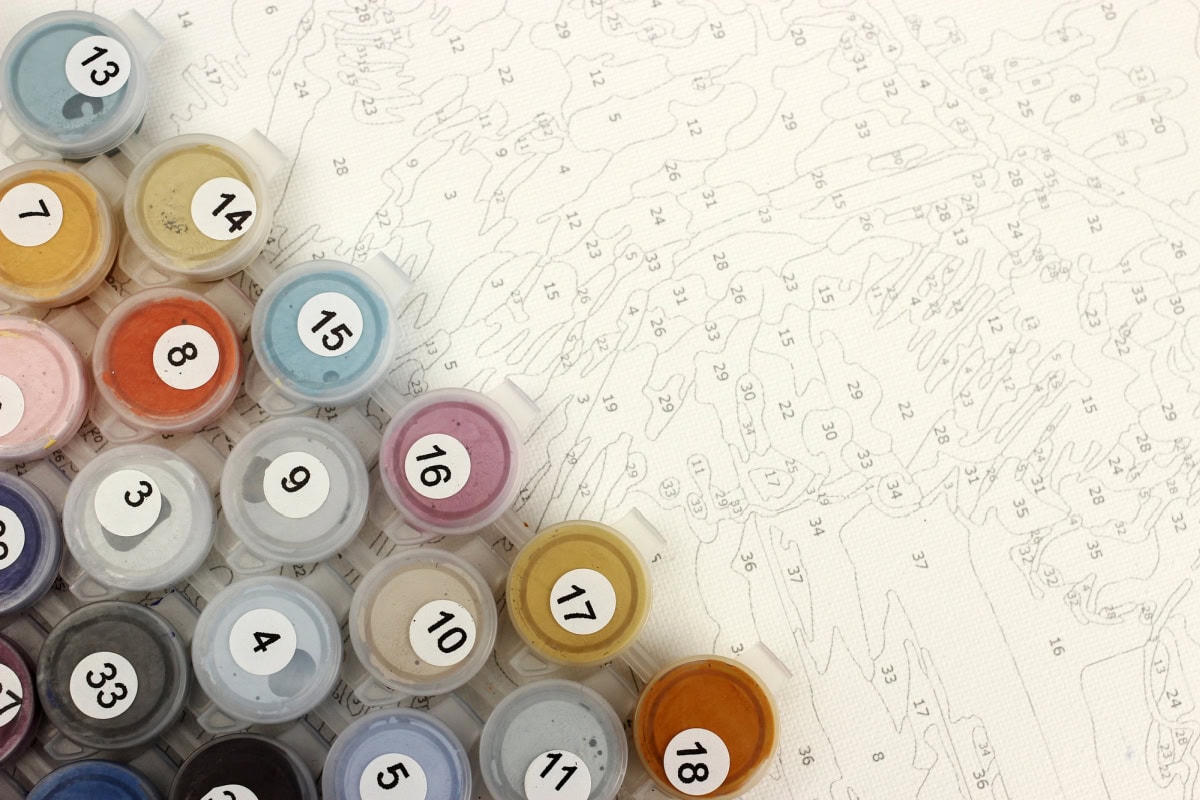
Brush-on acrylic varnish is a genuine step up. Products like Liquitex Soluvar or Winsor & Newton Galeria Varnish are built specifically for acrylic paintings and include UV protection, which matters enormously if your canvas hangs anywhere near a window. UV rays break down paint pigments gradually; even a piece that looks vivid right now can yellow or fade within a few years without some kind of barrier.
These varnishes are also removable, which professional artists tend to care deeply about. A removable varnish means you can strip the protective layer decades later and re-varnish without touching the paint underneath. For a painting by numbers that might sound like overkill, honestly, it might be, but if you’re framing a finished piece as a gift or planning to display it long-term, a quality varnish is worth the extra few dollars. Apply it with a soft-bristle brush in thin, even layers. Two coats are standard. Let each coat dry fully before adding the next.
Use a Matte Medium to Seal Without Changing the Look
Some people don’t want any sheen at all. Fair enough.
Some finishes just need to disappear. If you want the paint to look exactly as it did when you applied it, a matte medium works as a flat, nearly invisible sealant that preserves the painted surface without adding visual texture or shine. Golden Matte Medium and similar products dry completely flat. It’s a smart pick for paintings with a lot of white space or light colors, since gloss varnish over those areas can make them look plastic.
Matte medium applies just like varnish, wide soft brush, thin coats, full drying time between layers. One coat is often enough for display purposes. Two coats give you better moisture resistance in a high-humidity room, and the finish looks natural without drawing any attention to itself. Quiet solution. It works.
Frame Under Glass as a Final Layer of Physical Protection
Nothing else does what a frame does. No spray or brush-on product can replicate what a frame with glass or acrylic glazing actually does: it keeps dust, fingers, and airborne contaminants off the surface entirely. Seal the canvas first with one of the methods above, then frame it behind UV-filtering glass or acrylic, because UV-filtering glazing blocks most of the ultraviolet light that causes pigment fade, working alongside a chemical sealant, not instead of one.
Standard glass is fine, but UV-filtering glazing noticeably extends the life of the piece in rooms with direct or indirect sunlight. Acrylic glazing is lighter, shatter-resistant, and far easier to handle if you’re mounting the frame yourself. Check one thing before you close it all up: make sure the glazing isn’t pressing directly against the canvas. A small gap, created by a mat or frame spacers, lets air circulate and prevents moisture from getting trapped between the glass and paint.
Conclusion
Sealing your finished painting by numbers doesn’t take long. Done right, though, it makes a real difference in how the piece holds up over the years, spray varnish, brush-on varnish, Mod Podge, matte medium, and protective framing each solve the same problem from a different angle. Match your choice to the finish you want and where the canvas will end up. Whatever method you pick, one rule matters most: let the paint fully cure before you apply anything. Get that right, and the rest follows.

- A Coffee Date Built Around One Shared Card Game - October 6, 2026
- Holiday Prep With a Back That Keeps Complaining - October 6, 2026
- Crafting Peaceful Spaces: Soothing Touches for Home Decor - October 6, 2026