Every night, your body clocks out from the chaos and clocks into recovery. But sleep isn’t just downtime. It’s a hidden investment account, compounding returns in the form of physical health, mental sharpness, emotional balance, and long-term disease prevention. It is nightly health insurance, with zero premiums and unlimited benefits. When we sleep well, we protect ourselves from some of life’s most formidable health threats. The ROI? More vitality, fewer hospital visits, and a longer, richer life.

Beyond Daytime Grumpiness: Sleep as a Foundation for Chronic Disease Prevention
We’ve all been cranky after a rough night, but poor sleep does far more than fray tempers and fog your focus. Studies consistently link chronic sleep deprivation with an increased risk of major health issues, including hypertension, type 2 diabetes, obesity, stroke, and even some cancers.
Sleep is when the body rebalances, repairs, and regulates. Miss enough of it, and systems begin to fail slowly and silently. It doesn’t happen overnight—but that’s the point. The danger is cumulative. The good news? So is the protection. Prioritizing consistent, high-quality sleep now is one of the most powerful long-term health strategies available.
The Brain’s Nightly Clean-Up Crew: How Sleep Fights Neurodegeneration
Inside your brain, a remarkable cleaning system kicks into gear while you sleep. It’s called the glymphatic system, and it acts like a biological sanitation department. Every night, cerebrospinal fluid flows through brain tissue, washing away toxic proteins like beta-amyloid and tau—waste products linked to Alzheimer’s disease and other neurodegenerative conditions.
This system is almost entirely inactive when you’re awake. In short, if you don’t sleep, your brain doesn’t get cleaned. Over time, those uncollected toxins may accumulate, increasing your risk of cognitive decline. Deep, uninterrupted sleep is the only way to keep this clean-up crew fully operational.
Repairing the Heart: The Link Between Deep Sleep and Cardiovascular Health
Your heart may be strong, but it relies on quality sleep to stay resilient. During deep sleep, blood pressure dips and your heart rate slows. Stress hormones like cortisol decrease. It’s a nightly reset for your cardiovascular system.
When sleep is cut short or fragmented, the heart doesn’t get this break. Chronic short sleepers face significantly higher risks of heart disease, stroke, and even early death. In contrast, those who protect their sleep are effectively reinforcing their heart’s defenses every single night.
Balancing Your Body’s Engine: Sleep’s Role in Metabolic and Hormonal Health
Sleep doesn’t just rest your body, also it calibrates it. One night of poor sleep can reduce insulin sensitivity, making it harder for your body to regulate blood sugar. Over time, this increases your risk of type 2 diabetes.
It also disrupts key appetite-regulating hormones: ghrelin, which makes you hungry, and leptin, which tells you you’re full. With inadequate sleep, ghrelin levels rise, leptin levels fall, and the result is a perfect storm for overeating and weight gain. If your metabolism is your body’s engine, sleep is the technician keeping it humming smoothly.
Bolstering Your Defenses: How Sleep Supercharges Your Immune System
Good sleep boosts immune memory. While you rest, your immune system identifies and remembers pathogens, strengthens responses to vaccines, and produces infection-fighting cytokines. When sleep is sacrificed, so is this vital process.
Even partial sleep deprivation, like getting six instead of eight hours, can reduce your body’s ability to fight off viruses. That means more sick days, longer recoveries, and increased vulnerability. Over the years, this wear-and-tear contributes to chronic inflammation, the root of many serious diseases. Consistent sleep is an investment in a stronger, more resilient immune system.
The Compounding Interest of Sleep Debt: Why Consistency is Key
In finance, compounding interest makes small deposits grow into large returns. Sleep works the same way. But skip too many nights and you start to accumulate what researchers call “sleep debt.” It builds up gradually, reducing cognitive performance, slowing healing, impairing judgment, and weakening your defenses.
Unlike monetary debt, you can’t always “pay it off” with a few extra hours on the weekend. Some damage sticks. That’s why consistency matters. Investing in nightly sleep is like making regular contributions to your health account; it builds over time and cushions you against future risks.
Your Most Powerful (and Free) Anti-Aging Elixir
Want to age gracefully? Start with sleep. During deep stages, the body releases growth hormone, which fuels tissue repair and cellular regeneration. This includes skin cells, collagen production, and muscle maintenance. Sleep also regulates cortisol, which, at high levels, can accelerate aging.
While serums and supplements promise miracles, sleep delivers them. It’s the most affordable, accessible, and effective anti-aging tool we have. No needles. No filters. Just genuine cellular renewal.
Designing a Sleep Environment
You will have to design for better sleep if you want it; merely hoping for it will simply not be enough. Your environment plays a pivotal role in both sleep quality and consistency. Every detail matters: light, sound, temperature, and comfort all signal to your brain that it’s time to wind down and restore.
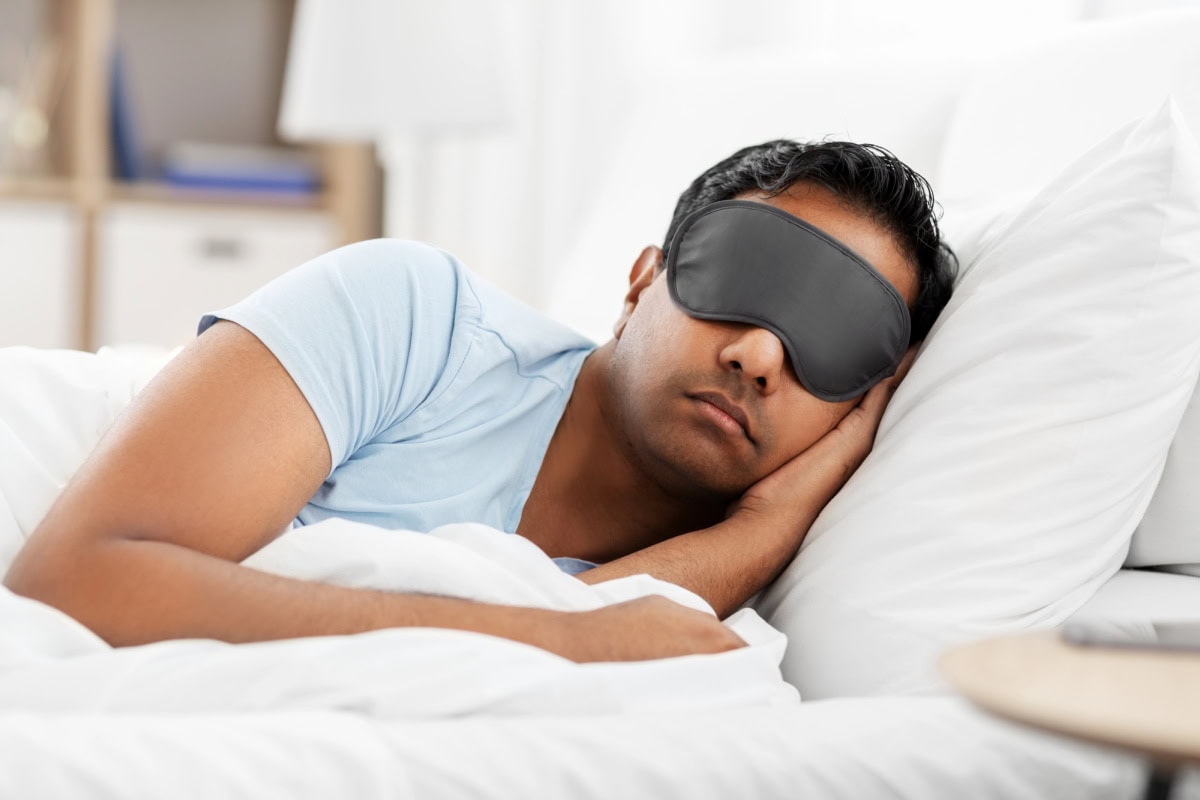
Start by removing disruptions. Silence intrusive sounds with white noise or earplugs. Cool the room to 60–67°F for optimal temperature regulation. Then remove all light sources. Achieving total darkness is often the biggest challenge, especially for city dwellers or shift workers. While blackout curtains are a fantastic permanent solution, a portable and personal option like a silk sleep mask can be a single solution. It completely blocks out light while feeling soft and relaxing on your skin. Your brain gets the darkness signal it needs to trigger essential, restorative sleep cycles, night after night. This consistency is what delivers the long-term returns.
The Non-Negotiables: Investing in Darkness, Quiet, and Cool Temperatures
Three factors matter more than any others when building a sleep-friendly space. Darkness tells your brain to release melatonin, the hormone that initiates sleep. Silence helps you stay asleep through the night. Cool temperatures signal your body to lower its internal thermostat, which is essential for entering deep sleep.
These elements are non-negotiables. Prioritize them, and you’ll find sleep becomes not only easier but far more restorative. It’s in these conditions that your body does its most powerful work.
Conclusion: The Priceless Dividend of a Healthier, Longer Life
The habits you build tonight shape your health 10, 20, even 40 years from now. Sleep protects your brain, your heart, your metabolism, your immune system, and your youth. And unlike many health investments, the cost is zero and the benefits are guaranteed if you’re willing to make it a priority.
In a culture obsessed with hustle, productivity, and late nights, choosing sleep is a form of rebellion. The dividend? A longer, healthier, and more vibrant life.

- How to Keep Healthy Snacks Front-and-Center for Neurodivergent Kids and Adults - September 18, 2026
- Privacy Settings and Your Financial Journey - September 18, 2026
- The Power of Proactive Choices for a Better Future - September 18, 2026