Taking fireworks to a celebration can seem straightforward: buy them, put them in the car, and collect them later. In reality, fireworks are classified as explosives, so traveling with them requires more planning than transporting ordinary party supplies. The risks are manageable when the products are legal, correctly packaged and handled responsibly—but poor preparation can create serious safety and legal problems.
Before setting off, think beyond the journey itself. Where will the fireworks be stored? Who will handle them? What happens if you are delayed, involved in a minor collision, or unable to reach your destination? A safe plan accounts for the unexpected.
Check the rules before you buy
Firework regulations vary considerably between countries and, in some cases, between regions. Before purchasing anything, check whether the fireworks are legal for private use in both the place of purchase and the location where they will be used. Some products may be restricted to professional displays, while others may only be sold during specific periods.
You should also confirm:
- Whether the fireworks carry the appropriate safety markings and instructions
- Whether there are limits on the quantity a private individual can buy or transport
- Whether local authorities require notification or permission for the planned display
- Whether there are restrictions on the dates or times fireworks may be used
- Whether your accommodation, venue or insurer prohibits fireworks altogether
Do not assume that a product being available for sale means it can be used anywhere. Retailers and official government websites are the best sources for current requirements. If you are traveling internationally, rules around importing fireworks can be much stricter than domestic transport regulations. Airline, ferry and rail operators commonly prohibit passengers from carrying them.
Choose suitable packaging
Fireworks should remain in their original packaging wherever possible. The packaging is designed to protect the product, identify its contents and provide essential instructions. Moving fireworks into a loose bag, cardboard box or unmarked container can increase the chance of damage and make it harder for others to identify what is being carried in an emergency.
Inspect the packaging before leaving the shop. Do not transport fireworks that are wet, torn, crushed or showing signs of damage. Damp fireworks may not function as intended, while damaged fireworks can become less predictable. If a product appears faulty, return it to the retailer rather than attempting to repair or test it.
Keep fireworks separate from anything that could ignite them. This includes matches, lighters, candles, fuel, camping gas, chemicals and smoking materials. It is also sensible to avoid placing them beside electrical equipment that may generate heat.

Plan the vehicle journey carefully
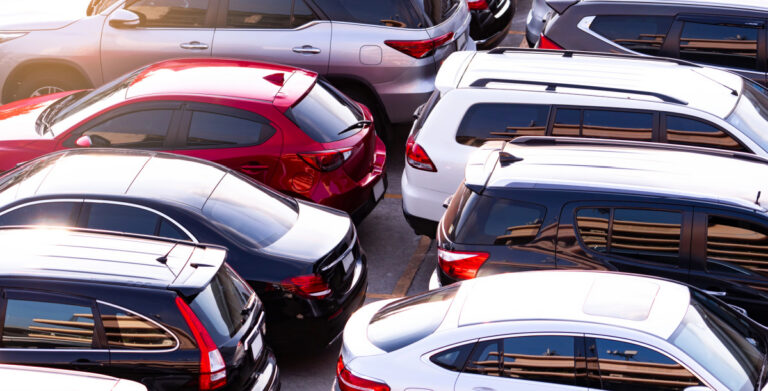
A private car is often the most practical way to transport consumer fireworks, but the vehicle should be prepared first. Clear the boot or another suitable luggage area so the fireworks can sit securely and remain away from passengers. They should not be carried loose in the cabin, held on a passenger’s lap or placed where they could interfere with the driver.
The journey should be as direct and brief as reasonably possible. Avoid unnecessary stops, particularly in hot weather. Never leave fireworks inside a parked vehicle for longer than necessary. A closed car can become extremely hot, and heat exposure may damage fireworks or increase the consequences of an accidental ignition.
For a useful overview of practical precautions, consult these fireworks storage and transport tips before setting off. Advice covering loading, positioning and handling can help you identify problems in your plan while there is still time to correct them.
Drive smoothly and avoid placing heavy objects on top of the fireworks. They should not be squeezed into an overfilled boot where packaging may be crushed. If you are transporting a larger quantity, or anything beyond ordinary consumer fireworks, obtain specialist advice rather than relying on assumptions about private-car exemptions.
Consider the people traveling with you
Children and other passengers should not handle fireworks at any point during the journey. Ideally, one responsible adult should take ownership of the fireworks from purchase through to storage and use. That person should know what has been bought, where it is located, and what the instructions require.
Pets also deserve consideration. Dogs and cats may be unsettled by unfamiliar packaging or the prospect of fireworks being used later. Keep animals away from the fireworks during loading and unloading, and never leave them in the vehicle with them.
Passengers should not smoke in or around the vehicle. Even when fireworks are packaged correctly, eliminating ignition sources is a basic precaution. If anyone notices a burning smell, smoke, heat, or unusual damage, stop at a safe location away from other people and sources of ignition. Do not open or investigate a suspicious item yourself; contact the emergency services when appropriate and explain clearly what is being carried.
Think about arrival and temporary storage
The journey is only one part of the risk. At your destination, fireworks should be placed somewhere cool, dry and secure, away from children, animals, flames and sources of heat. They should remain in their packaging and should not be stored beside boilers, heaters, cooking equipment or fuel.
Do not leave fireworks in a shed or garage without considering the conditions. Some outbuildings become very hot in summer or damp in wet weather. The storage location should also be inaccessible to anyone who might handle the fireworks without supervision.
Avoid storing fireworks for longer than necessary. Buy an appropriate amount for the planned event, follow the retailer’s guidance and use them within the relevant legal period. Never combine leftover fireworks with household rubbish or attempt to dismantle them. Ask the supplier or local authority about safe disposal options.
Have a contingency plan
Delays, canceled events and bad weather are all common reasons for fireworks to remain unused. Decide in advance what you will do if the display cannot go ahead. Keeping fireworks in a vehicle overnight, taking them into an unsuitable hotel room or leaving them with someone who is not prepared to manage them are not sensible solutions.
Responsible travel protects more than your property
Safe fireworks transport is not simply about avoiding damage to the products. It protects passengers, other road users, emergency responders and the eventual audience. Good planning also helps ensure that the fireworks perform as intended when the time comes.
Check the rules, use sound packaging, minimize the journey, eliminate ignition sources, and arrange secure storage before you travel. If the quantity or type of fireworks falls outside ordinary consumer use, seek professional guidance. A few minutes of preparation can prevent a dangerous situation—and make the celebration far more enjoyable for everyone.

- How to Plan a Summer Dinner Around the Weather - September 17, 2026
- How to Choose Door Hardware That Works With Your Interior Style - September 17, 2026
- Want Stronger, Healthier Hair? Check Your Diet Before Buying More Products - September 17, 2026