Although dental pain can be critical, it’s not always necessary to see a dentist right away. The key is knowing which signs point to infection, trauma, or lasting damage. A true emergency usually involves severe pain, uncontrolled bleeding, swelling, fever, or a tooth at risk of being lost.
Even though minor issues still require attention, they usually don’t pose a significant risk if left until the next available appointment. That difference helps patients act quickly without overreacting to manageable discomfort.
What Makes a Dental Problem an Emergency
A dental emergency is a situation where delay could cause serious harm, spread infection, or reduce the chance of saving a tooth. Severe throbbing pain, facial swelling, a knocked-out tooth, or bleeding that will not slow down should prompt urgent action. In those cases, timely emergency dental care in Las Vegas can help control symptoms, identify the cause, and prevent a small crisis from becoming a larger health concern.
Pain level alone does not always tell the whole story. A mild ache with swelling can be more serious than sharp sensitivity that fades quickly. Location, duration, visible injury, and general symptoms all matter. Fever, swollen lymph nodes, trouble swallowing, or a bad taste near one tooth may point to infection that needs fast evaluation.
Signs That Need Same-Day Care
Some symptoms should be treated as urgent even if they appear after business hours. A knocked-out adult tooth has the best chance of survival when handled quickly. The tooth should be held by the crown, kept moist, and never scrubbed. Milk or a tooth preservation solution can help until care is available.
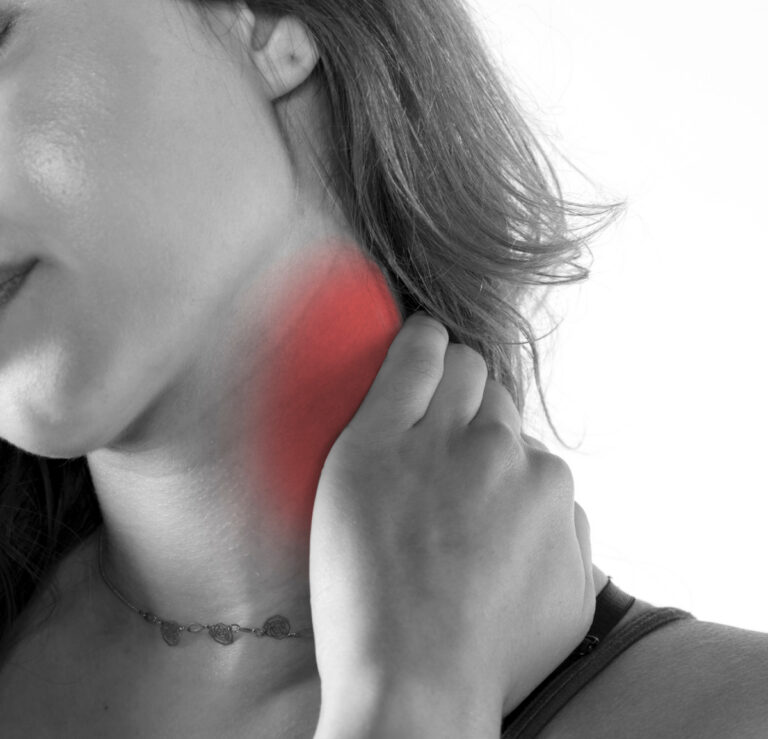
Uncontrolled bleeding after an injury or dental procedure also needs prompt help. Firm pressure with clean gauze may slow it, but bleeding that continues beyond 15 to 20 minutes requires guidance. Facial swelling is another warning sign, especially if it spreads near the eye, jaw, or neck.
Severe tooth pain that prevents sleep, eating, or normal activity may signal deep decay, a cracked root, or an abscess. Pus, fever, or pressure that worsens while lying down can mean bacteria are trapped inside the tooth or gum tissue. These conditions rarely improve without treatment.
Problems That Are Usually Minor
A chipped tooth without pain, a small lost filling, or brief cold sensitivity is often less urgent. These issues can still worsen, so a dental office should be contacted during regular hours. Until then, avoid chewing on that side and keep the area clean.
A loose crown or bridge may feel alarming, but it is usually manageable if there is no severe pain or swelling. Temporary dental cement from a pharmacy may protect the tooth for a short period. Sticky foods should be avoided because they can dislodge the restoration.
Mild gum soreness after flossing, a canker sore, or slight irritation from a rough edge usually does not require emergency treatment. Rinsing with warm salt water and avoiding spicy or acidic foods can reduce discomfort. If symptoms last more than a week, an appointment is still wise.
How to Decide What to Do
A practical rule is to look for risk, not just discomfort. Is there swelling, fever, trauma, heavy bleeding, or a tooth that may be lost? If yes, the issue should be treated as urgent. If the concern is stable, mild, and not linked to injury, it may be reasonable to schedule routine care.
Photos can help a dental team assess visible damage during a phone call. Clear details also matter. Patients should describe when symptoms began, what worsens them, and whether pain is constant or comes and goes. Recent dental work, medical conditions, and current medicines should also be shared.
Over-the-counter pain relievers may help short-term discomfort when used as directed. Aspirin should not be placed on gums because it can burn tissue. Ice packs can reduce swelling after trauma, while heat may worsen some infections. Home care is only a bridge, not a substitute for diagnosis.
Preventing Urgent Dental Visits
Many emergencies begin as small problems. Regular exams, cleanings, and X-rays help detect decay, gum disease, and failing restorations before pain starts. Treating cavities early is usually simpler than waiting until the nerve is involved.
Protection also matters. A sports guard lowers the chance of broken or knocked-out teeth during contact activity. A night guard can reduce fractures linked to grinding. Avoiding ice, hard candy, and using teeth as tools can prevent cracks that lead to sudden pain.
Conclusion
A true dental emergency involves immediate risk to health, comfort, or tooth survival. Severe pain, swelling, fever, trauma, uncontrolled bleeding, and signs of infection should never be ignored. Minor chips, mild sensitivity, or loose restorations may be less urgent, but they still need follow-up.
Clear judgment, quick communication, and early dental care help protect teeth while reducing stress when symptoms appear without warning. The safest response is to ask for guidance when symptoms feel unusual or progress.

- Simple Ways to Make Home Maintenance Less Stressful - September 15, 2026
- Bathroom Flooring Ideas That Balance Style and Practicality - September 15, 2026
- Red Light Spa Near Me vs. At-Home Red Light Panel: Which Is Better? - September 15, 2026