Keeping your home safe and healthy for your family is a top priority.
Chances are, you’ve got smoke detectors, first aid kits, and maybe even a few baby gates still lingering in the doorways.
But what about the tiny pests that can pose a real threat to your family's well-being?
Pest control is an important, but often overlooked aspect, of home care, helping to protect your family from potential health risks like allergies, asthma triggers, and food contamination.
The good news is that keeping pests out doesn't have to be a complicated or hazardous ordeal. A little knowledge and a few simple habits can go a long way.
Common Household Pests and the Problems They Cause
Let's start by getting to know the usual suspects; different pests bring different problems, so understanding what you’re up against is the first step.
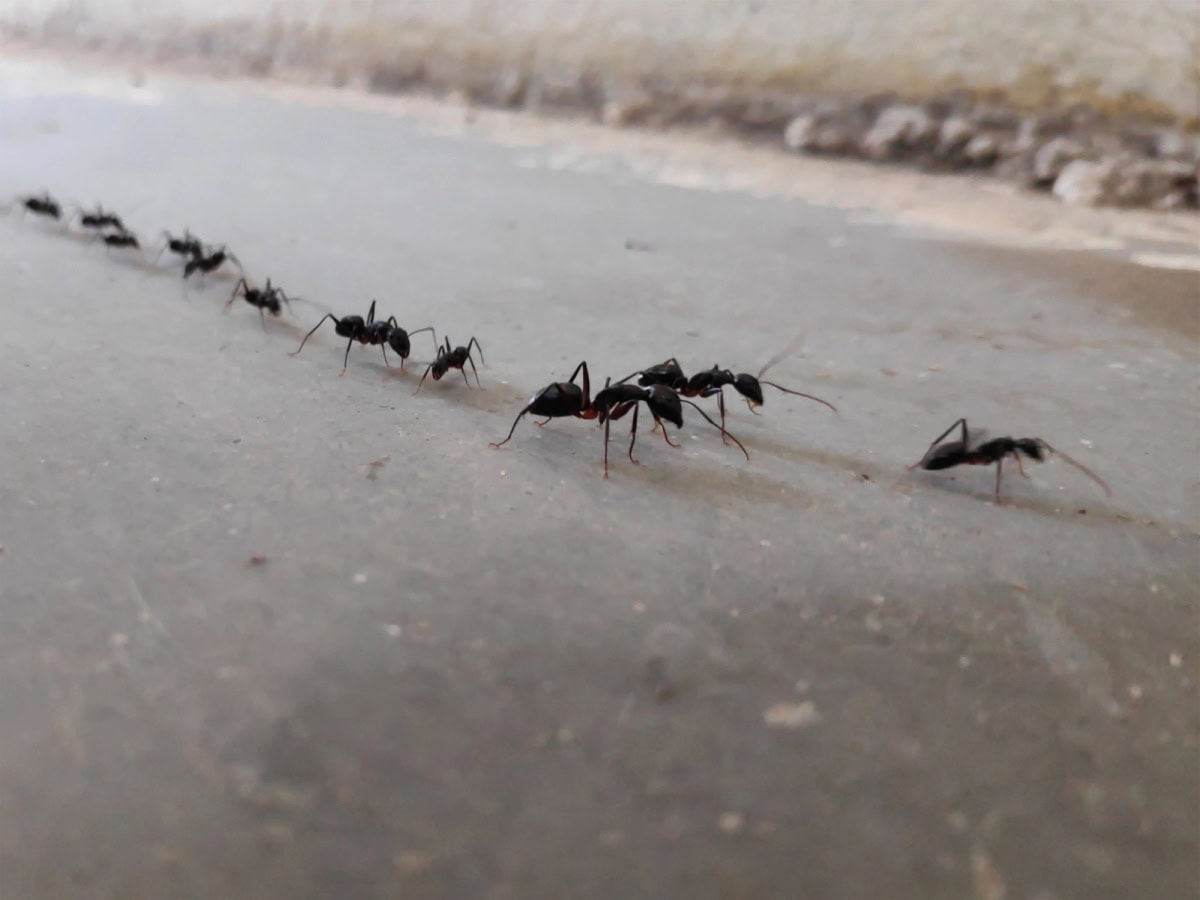
- Ants: A few ants on the sidewalk are one thing, but a trail of them marching across your kitchen counter is another. Ants are experts at finding crumbs and sticky spots you didn't even know existed. While most are just a nuisance, some types can bite or, in the case of carpenter ants, cause structural damage to your home.
- Cockroaches: These are more than just creepy. Cockroaches carry bacteria that can contaminate your food and countertops. Their shed skins and droppings are also major triggers for allergies and asthma, especially in children.
- Spiders: Most common house spiders are harmless and can even help by catching other bugs. However, bites from venomous spiders like black widows or brown recluses, though rare, can be dangerous and require medical attention.
- Rodents: Mice and rats are champions of sneaking into homes for warmth and food. They can chew through wiring, creating a fire hazard, and their droppings and urine can spread diseases. They contaminate food storage areas and leave behind a path of potential illness.
- Mosquitoes: These backyard pests are famous for their itchy bites, but they are also known carriers of diseases. Depending on your location, they can transmit viruses that cause serious illness, making it important to manage their populations around your property.
- Termites: Termites are silent destroyers. They chew through wood from the inside out, often going unnoticed until significant damage has been done to your home's structure.
Prevention Is the First Line of Defense
You can turn your home into a fortress with a few simple strategies. Pests need an entry point, food, and water, so cutting off their access to these resources is key.
Start by sealing up any potential entryways. Check the exterior of your home for cracks in the foundation or walls and seal them with caulk. Make sure your window and door screens are free of holes. You can also install weather stripping around doors and windows to close any small gaps that tiny critters could squeeze through.
Next, focus on food and trash management. Store all food, including pet food, in airtight containers. A simple plastic or glass container can be the difference between a pest-free pantry and an ant party. Clean up crumbs and spills immediately. Your trash cans should have tight-fitting lids, both indoors and out, to keep curious rodents and insects away.
Finally, reduce moisture and standing water. Pests are drawn to damp environments. Fix leaky pipes under sinks and in basements right away and use a dehumidifier in damp areas.
Outside, be sure to empty any containers that collect rainwater, like flowerpots, birdbaths, or old tires. Mosquitoes can breed in a bottle cap’s worth of water, so even small amounts matter.
Family-Friendly Pest Control Methods
Even with the best prevention, a few pests might still find their way in. When they do, you don’t always need to reach for a powerful chemical spray, especially with kids and pets around. There are many effective and safer alternatives.
For example, a spray bottle filled with a mixture of white vinegar and water is great for wiping down counters to deter ants.
Peppermint oil on cotton balls, placed in cabinets or near entry points, can also repel spiders and rodents.
Diatomaceous earth, a powder made from fossilized organisms, is a fantastic non-toxic option. It’s harmless to humans and pets but deadly to insects with exoskeletons like ants, roaches, and fleas. Just sprinkle a thin layer along baseboards or in cracks.
Even traps and baits can also be used safely. For mice, enclosed bait stations keep the poison contained so that little hands and paws can’t get to it. For insects, sticky traps placed behind furniture or under sinks can catch crawlers without spreading chemicals into the air.
If you decide to use an over-the-counter spray, read the label carefully. Use it in a well-ventilated area, and make sure kids and pets are in another part of the house until the product has dried completely.
How to Maintain a Clean, Pest-Resistant Home
Pests thrive in clutter and mess, so keeping your home tidy gives them fewer places to hide and breed.
Start by decluttering, especially in storage areas like garages, attics, and basements. Piles of boxes, old newspapers, and forgotten projects create ideal hiding spots for spiders and rodents. Store items in sealed plastic bins instead of cardboard boxes, which pests can easily chew through.
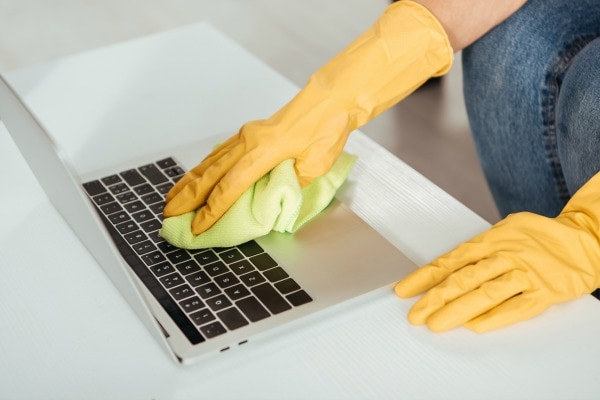
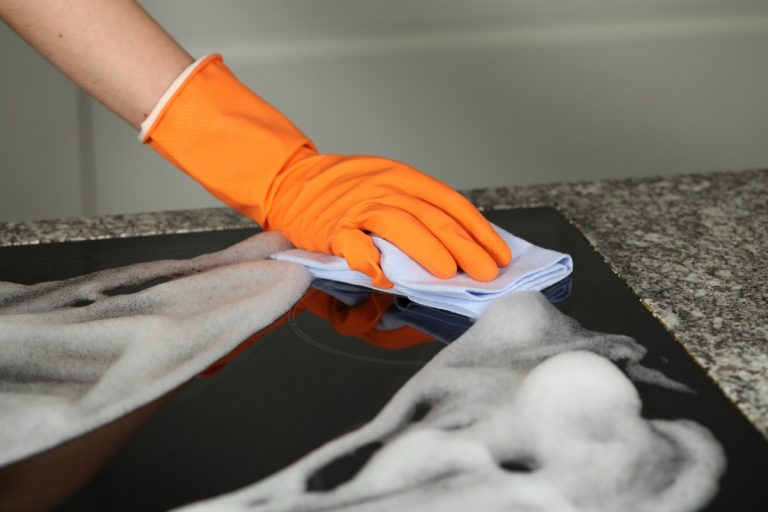
Incorporate pest-discouraging tasks into your cleaning schedule. Vacuuming regularly not only picks up crumbs but also sucks up pests and their eggs. Wiping down kitchen surfaces daily removes food residue that attracts ants and cockroaches. Don’t forget to clean up after your pets; their food and water bowls can be a major draw for pests.
Keep your lawn mowed and trim shrubs and tree branches so they aren’t touching your house. This eliminates “bridges” that pests can use to get to your home. Remove leaf litter and keep woodpiles stacked away from the foundation to reduce nesting sites for termites, rodents, and other pests.
Teaching Kids About Pest Safety
It’s important to talk to your kids about pests in an age-appropriate way. Teach them that while some bugs are interesting, it’s best not to touch them, especially spiders or stinging insects.
Get them involved in prevention in a fun and positive way. Turn cleaning up into a game, making them “crumb detectives” after snack time. Let them help you check window screens for holes or remind you to close the lid on the dog food container.
When to Call in the Experts
Sometimes, a pest problem becomes too big to handle on your own. Knowing the signs that you need professional help can save you time, money, and stress.
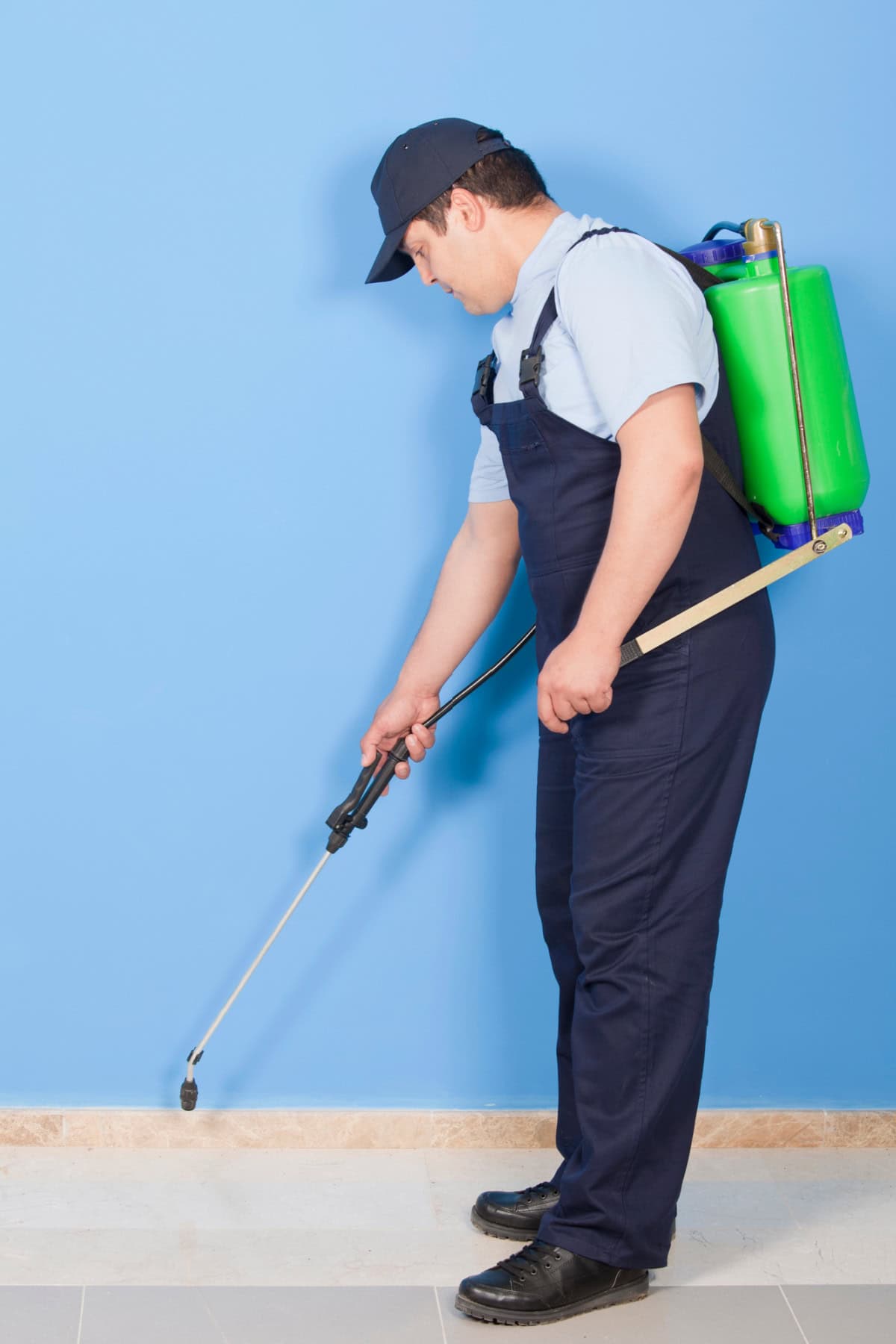
Look for red flags like repeated sightings of pests, especially during the day. Finding rodent droppings in your pantry or seeing sawdust-like frass near wooden structures are clear indicators of a larger issue. If you’ve tried DIY methods without success, or if you suspect you have a termite or significant cockroach infestation, it's time to call a professional.
After an inspection, a professional pest control provider will create a targeted treatment plan and offer advice on long-term prevention. They use professional-grade products and techniques that are often more effective and safer than what’s available to consumers.
A Team Effort for a Pest-Free Home
Basic pest control is something every family can manage together, and it all begins with simple acts of prevention, cleanliness, and awareness.
Follow these tips, and you can create an environment where pests aren't welcome.
And when a problem gets too big, don’t hesitate to bring in a professional to protect your home and make sure your family stays healthy and safe.

- A Guide to Assessing and Selling Valuable Possessions - July 20, 2026
- How to Inspect an Inflatable Water Slide Before Each Use - July 20, 2026
- Uncovering Health Clues Through Your Hearing - July 18, 2026