The nursery you set up before your baby arrives rarely survives contact with a toddler. Somewhere around month fourteen, the changing table becomes a climbing frame, the crib rails get chewed, and the sweet little chair you loved is suddenly too small. Most parents discover this the expensive way, replacing pieces they bought less than two years earlier. A little thinking upfront about how each item will age can spare you a second round of shopping and a second evening on the bedroom floor with an Allen key.
Look for pieces designed to change shape
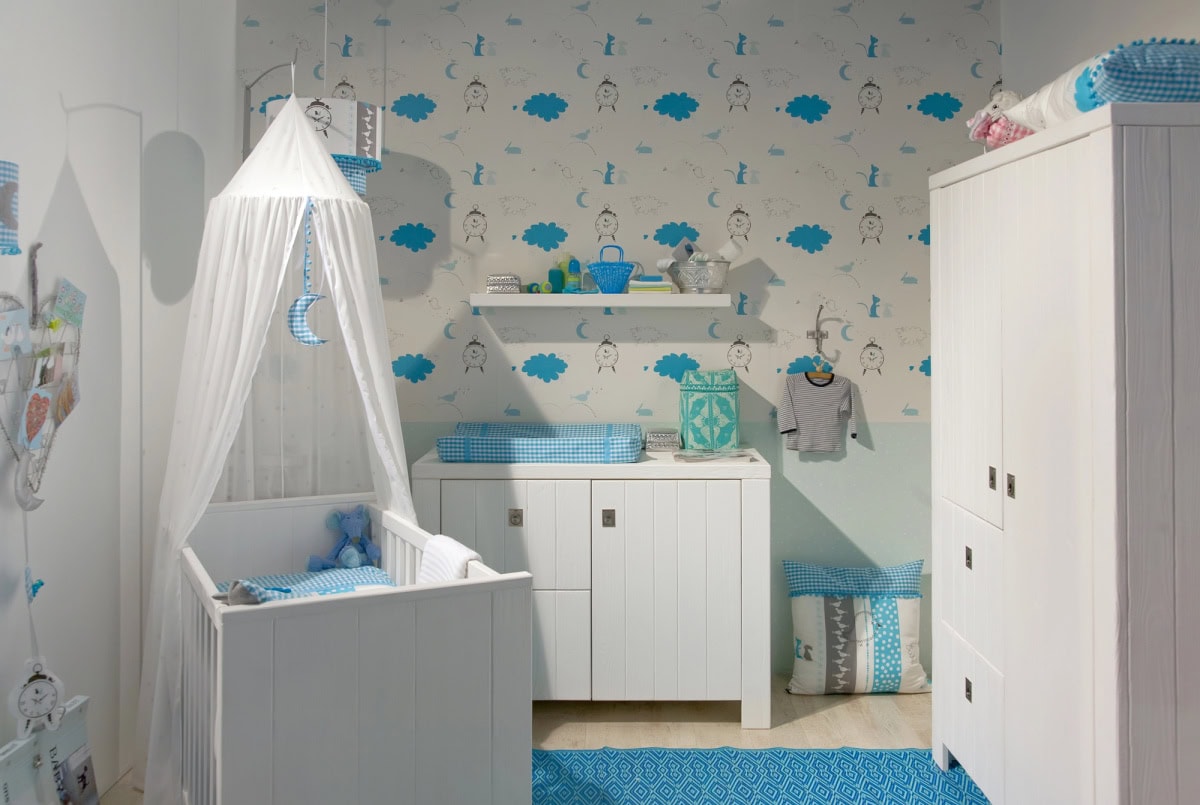
The best predictor of whether furniture will still be useful at age three is whether it was built to convert. Convertible cribs that drop a rail and become toddler beds are the obvious case, but the same logic applies to high chairs that shed their tray and baby set to become an ordinary chair, and to changing tops that lift off a dresser once diapers are behind you.
Some makers organize their whole catalog around this idea. You can see it in the way the baby furniture at Charlie Crane is grouped by age bracket rather than by room, running from the first six months through age three and up, which quickly separates the pieces meant to carry over from the ones that are genuinely newborn-only. That framing is worth borrowing even if you shop elsewhere. Before anything goes in the cart, ask what it turns into next.
Judge the materials before you judge the price
Solid hardwood costs more than engineered panels. It is also the difference between a piece you can sand and repaint for a second child and one that swells at the first spilled bottle.
Look at the joinery too. Dovetailed drawers hold together far better than drawers assembled with glue and staples, and the gap shows within a couple of years of daily opening and slamming. Run your hand along the edges and check that hardware is metal rather than plastic at the stress points.
Finishes matter for a different reason. Water-based, low-VOC finishes limit what evaporates into a room where your child sleeps ten or more hours a day. GREENGUARD Gold certification, which screens for more than 10,000 chemicals and volatile organic compounds, is the shorthand a lot of parents use when comparing options they cannot inspect in person.
Know which safety rules still apply after the newborn stage
In the United States, every crib sold must meet Consumer Product Safety Commission regulations, and ASTM F1169 sets the detailed requirements for full-size cribs: slat spacing of no more than 2 3/8 inches, mattress support strength, hardware durability. Drop-side cribs have been banned since 2011, which is the main reason a hand-me-down crib from an older cousin deserves a careful look rather than an automatic yes.
Tip-over risk is the hazard that grows alongside your child. A dresser is perfectly stable while a baby lies on it and much less so when a two-year-old opens three drawers and starts climbing. A CPSC rule that took effect for units manufactured from September 2023 tightened stability testing for dressers and chests. Whatever the date on yours, anchor it to the wall with the kit that came in the box. The JPMA seal, which is voluntary and based on independent laboratory testing, is a useful extra signal when two products otherwise look alike. If you have doubts about a specific piece, particularly a secondhand one, the manufacturer and your pediatrician are better references than a comment thread.
Ask whether you can still buy a spare part in three years
This is the question almost nobody asks in the store, and the one that quietly decides how long furniture lasts. Conversion kits, replacement bars, spare screws, a new harness: if the maker keeps them in stock, a damaged piece stays in service. If it does not, a five-dollar part can turn a three-hundred-dollar chair into scrap.
Check whether the brand runs a spare parts section on its site before you buy, not after something breaks. It takes thirty seconds and tells you a great deal about how the company expects its products to be used. Furniture that stays repairable also holds its resale value, which softens the initial outlay considerably when you are done with it.
Choose colors you will not want to change
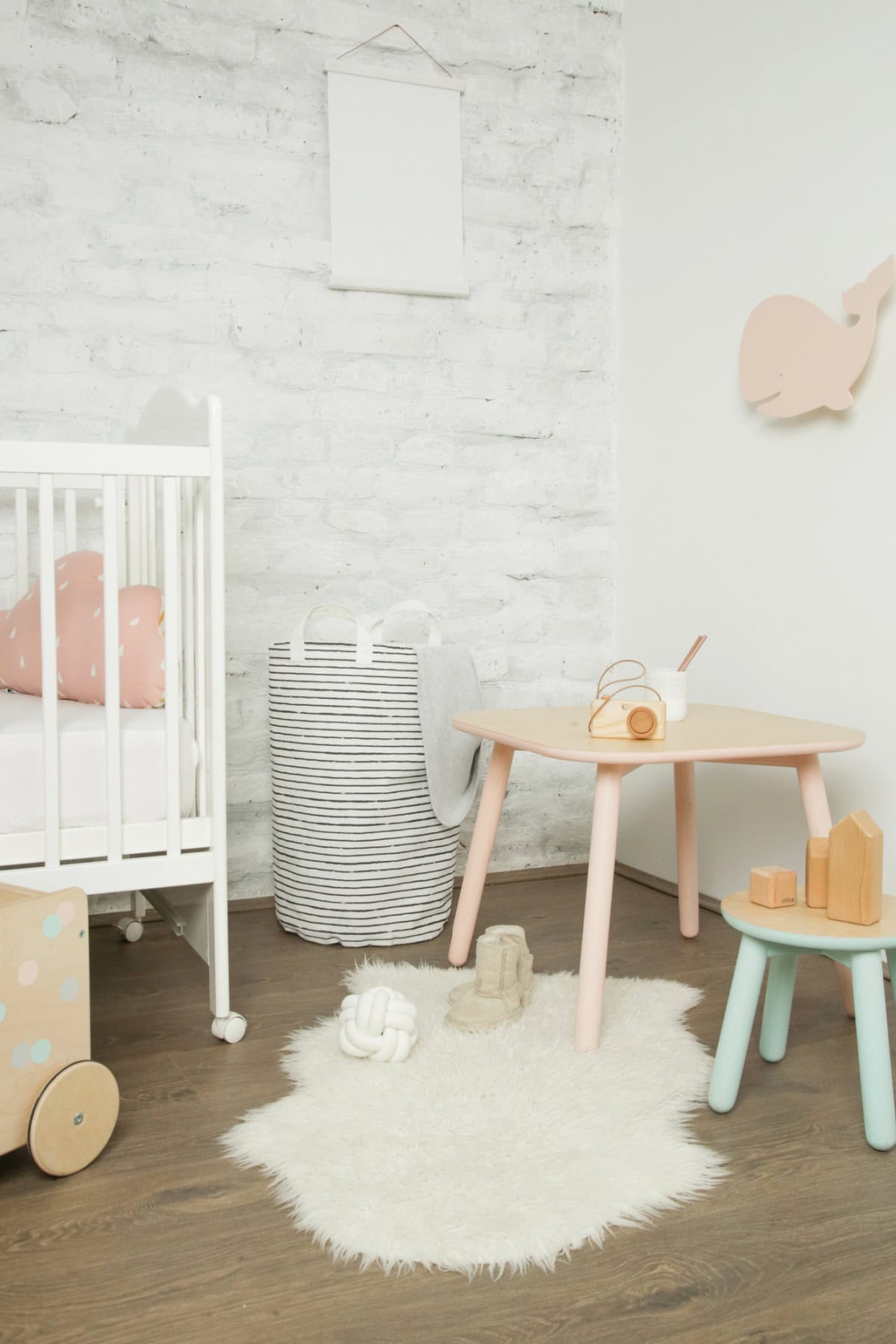
Nursery-specific palettes date quickly. Pale wood, white, and muted neutrals move into a big-kid room without repainting, and they sit comfortably against whatever wall color you choose three years from now. Save the personality for textiles, prints, and storage baskets, which cost little to swap out when tastes shift.
None of this means buying the most expensive option available. It means asking three plain questions about every piece: what does it become, what is it made of, and can I still get parts for it. The items that answer all three are usually the ones still in the room long after the first birthday.

- Why Some Homes Feel Magical at Christmas (And Others Just Look Decorated) - October 21, 2026
- The Modern Mom’s Guide to Building a Sustainable Wellness Routine - October 21, 2026
- The Fall Fix-It List: 9 Small Home Repairs to Handle Before Winter - October 21, 2026