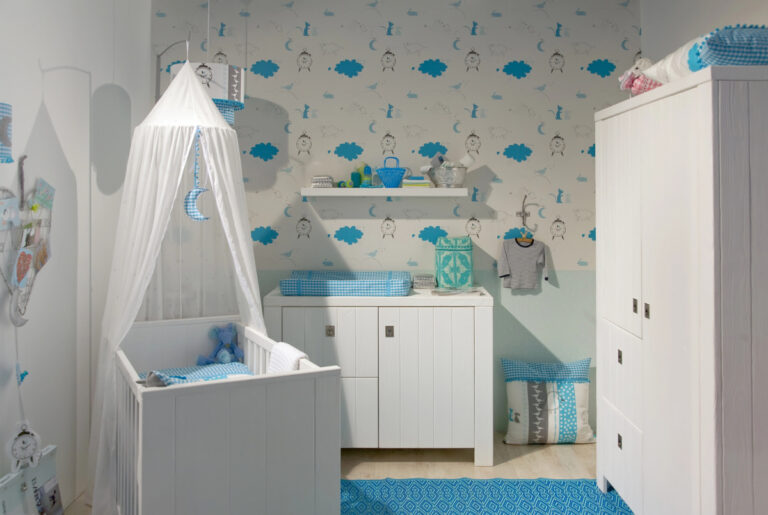
If you want to create a tranquil atmosphere at home, you will need to pay attention to many different details in the course of time. Most parents realize it happens very slowly. Usually, when the environment changes, people begin noticing the reason behind the process. It takes some time to develop certain parenting skills that can help to raise calm kids.

Consistent Routines
Most children thrive on predictability. When they know that each morning has a routine, and there are some activities they must do every day, kids are much calmer than those with inconsistent schedules. Consistent bedtimes and meals can create a stable environment.
Of course, a child-friendly household can still be flexible regarding certain issues. Some weeks can be chaotic, and no problems with that. If any changes lead to stressful situations, the family atmosphere worsens significantly. You do not need complicated routines – simple things like hearing the kettle sound and bedtime stories will be enough.
Calming Approach To Dealing With Stress
It is impossible to imagine any person who will never face difficulties. Unfortunately, parents sometimes show their reactions, becoming aggressive and angry. Children become stressed because they feel the negative energy. In case adults keep their calmness despite all troubles, kids will have a chance to learn this behaviour.
In reality, this parenting strategy implies staying calm and thinking over the possible consequences. After analysing a difficult situation, it is much easier to find a reasonable solution. Parents do not necessarily pretend they are fine. It is vital to show kids how they can maintain self-control. Some families also explore approaches such as positive behavior support to better understand emotional responses and create calmer communication patterns at home.
Modeling Emotions In Everyday Life
Children can easily adopt different behaviors. For instance, if parents show they are calm and emotionally stable in any situation, kids will eventually develop the same traits. This parenting habit can teach a lot without any special efforts. People usually demonstrate their emotions in everyday life, so modeling them is a great idea. It is possible to use many examples to demonstrate such behavior.
Even simple things, like taking deep breaths before a tough conversation or showing signs of stress, may be very helpful. Kids who see their parents feeling overwhelmed and needing some time can adopt the same attitude. Gradually, they will gain better regulation skills. Children will become more confident in different situations.
Taking Time To Listen
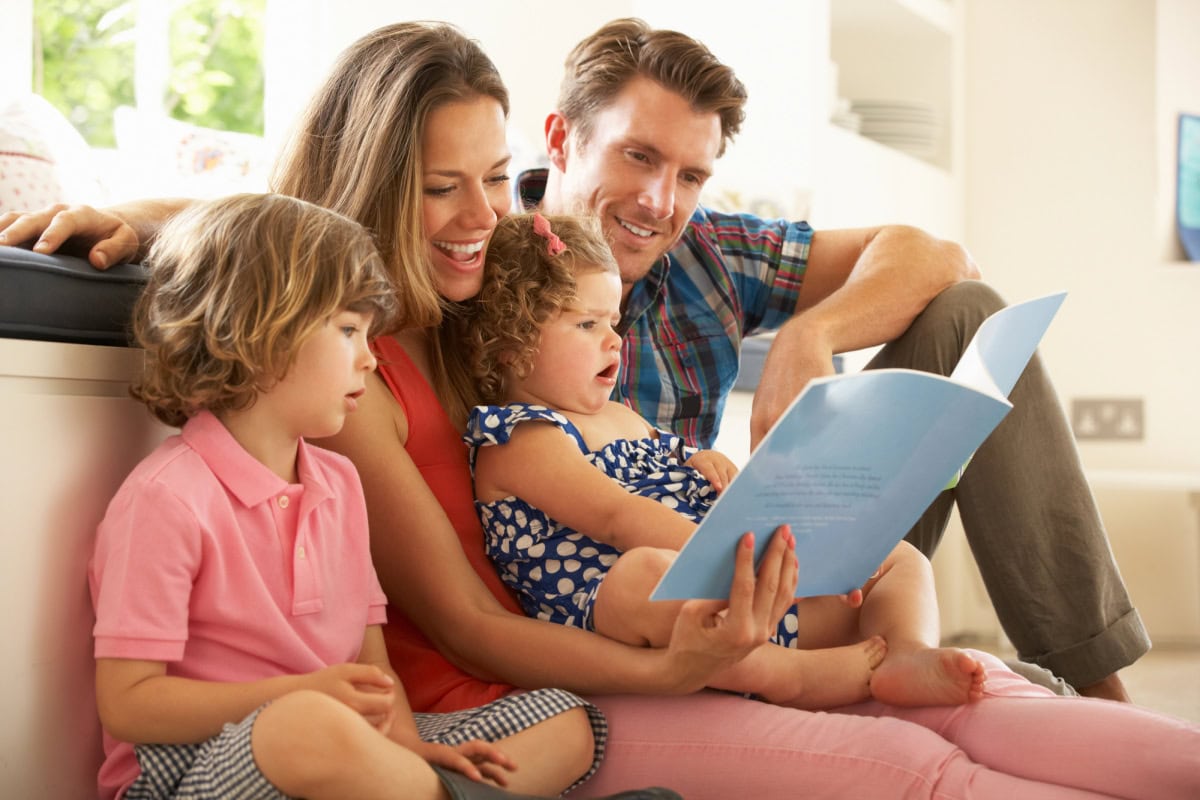
Listening is not always associated with long talks. Actually, you can devote five or ten minutes to discuss any topic together. The main principle is that you should listen to what kids say without interrupting them or judging. Such conversations will encourage children to communicate and ask questions.
Sometimes, it is not easy to stay silent for a few minutes while listening to something. However, when you finally manage it, children will understand that you really care about them and their feelings. Later, they will feel safer and begin sharing things with parents willingly.
Accepting Rather Than Dismissing Emotions
Some phrases like “Stop crying” and “You’re fine now” are used quite often. It is possible to say that they minimize the problem. Children who experience such statements every day do not develop their emotions properly. Instead of learning to share them, kids learn that crying and expressing emotions should be prohibited.
You should acknowledge the feeling if you notice any signs of discomfort or distress. It will be enough to say something like “You seem to be upset” or “It seems like you need someone”. This phrase will help to de-escalate the situation very quickly.
This is especially important when you’re navigating major life events like death and grief as well as divorce when children’s lives are turned upside down. While you can work with lawyers such as Lutz & Associates, P.S. to work through the legal aspects of a divorce or relationship breakdown, allowing your child to express their emotions can be a great way to help support them and start the process of moving forward with this new life.
Being Consistent Instead Of Perfect
Parents are not expected to do everything perfectly because nobody does that. Of course, you will not always show how to cope with a problematic situation in a proper way. The most important thing is to be consistent. Your kids should know what they can expect, what will change, and what should remain stable.
Sometimes, you can make mistakes in communication. It may happen for many reasons. However, apologizing for your behavior and explaining what has happened will contribute to establishing a good relationship. Children will learn that conflicts can be resolved, and relationships do not break down because of them.
Spending Time And Connecting
Unfortunately, some parents focus only on completing all necessary tasks together. Preparing for school, doing homework, and performing other duties can be boring sometimes. Spending time and connecting are two different activities. There should be some time for playing and talking to a child for no reason at all.
Parents who spend plenty of time together will be able to create a strong bond. Children who do not understand why they spend some hours talking will learn much about their parents. Sometimes, the lack of connection leads to misunderstandings and arguments.
Creating A Calmer Physical Environment
Not only does one’s behavior create a certain home environment, but the physical setting of the house also affects it. Continuous noise, chaos, or haste can unknowingly escalate feelings and cause increased tension.
For example, more relaxed lighting, a slower pace during transitions between tasks, and special places where you can spend some quiet time will positively affect the general state of things at home. The child feels well when the surroundings seem organized and relaxed. Small changes to the environment can result in bigger outcomes.
Building A Supportive Home Environment Gradually
There is no such thing as a formula for a relaxing home environment. Consider your consistency, tone, and emotional skills in order to give children a feeling of safety and love. Fear not making any mistakes; this way, your children will benefit greatly from them.

- The House Can Look Fine While the Roof Is Quietly Losing the Fight - October 14, 2026
- Smart Ways to Plan Time Off Work for Breast Augmentation Surgery - October 14, 2026
- Is Laser Hair Removal Worth It? 5 Ways It Saves Time and Money Long-Term - October 14, 2026